Peace not War, on Nature (in response to Plymouth City Council’s, ‘War on Weeds’ declaration, 26th October 2021)
I, as many other people who have since contacted me, have found the Plymouth City Council’s, ‘War on Weeds’, declaration absolutely shocking: feelings of dismay, anger, sadness and distress have resulted, and understandably so.
At such a crucial time, when the world is experiencing the oncoming effects of global warming; when the facts can no longer be ignored and countless countries, counties and councils are, or have already, declared a ‘climate emergency’, the council’s Cabinet Member for Environment and Street Scene, Maddi Bridgeman, declares a ‘War on Weeds’. Is she not aware of the importance of wild plants in urban environments?
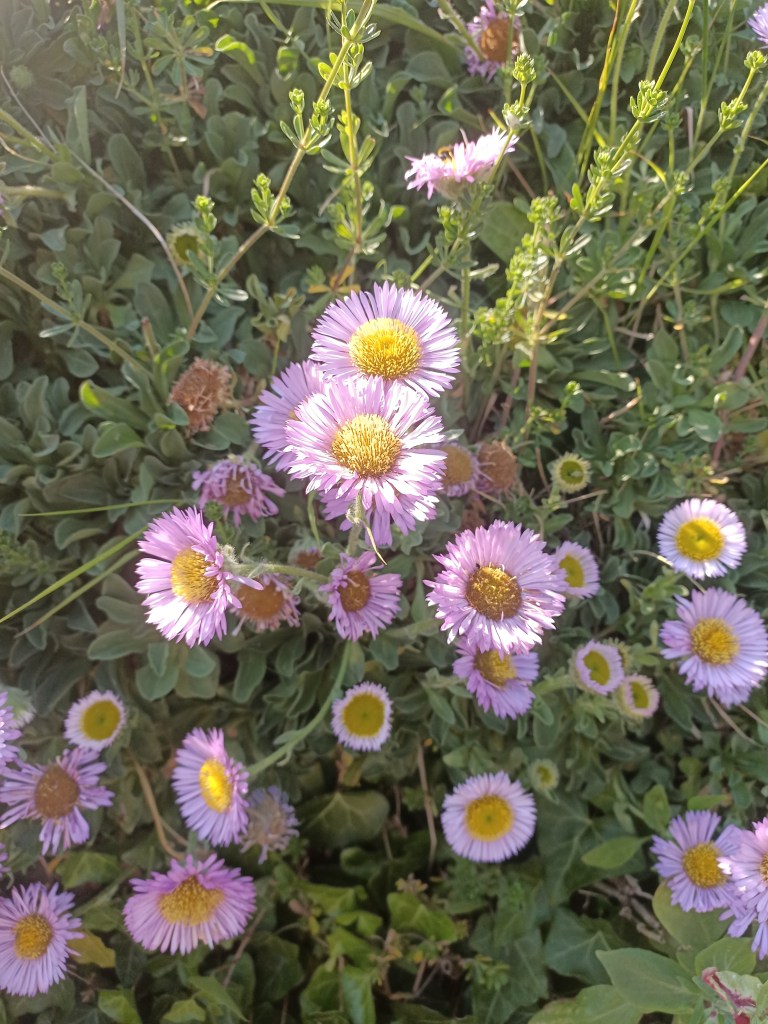
Equally as shocking, as the proposed action, is the manner in which it has been communicated. The language used is excessively aggressive: “hell-bent on destruction…fight the war…deadliest of destruction machines…age old enemy…” These are small pretty flowers for goodness sake!
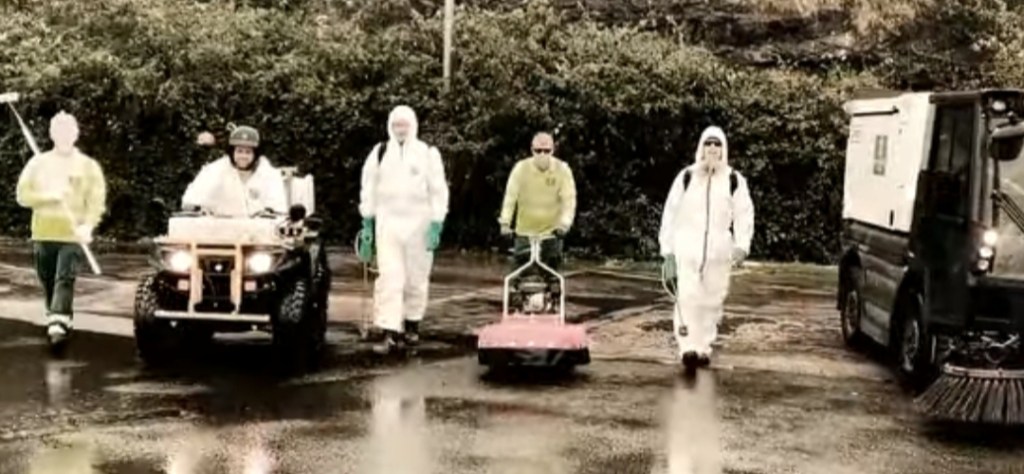
The accompanying video clip is equally violent in its imagery, with men dressed in chemical suits and masks, holding their ‘weapons of plant destruction’ as if they are Kalashnikovs – really this is Plymouth, not a Hollywood film-set!
As well as the obvious waste of money on such a disturbing media form, and on these weapons, what message does this send out? Plymouth is already recognised as having a high and increasing rate of violent crimes (76 crimes per 1,000 people, in 2020). It’s still reeling from the distressing shootings that took place in Keyham, this August. We need an emphasis on peace, not war. On this basis, I would support those people that feel a public apology is in order for the unnecessary violent content which clearly suggests that this form of behaviour is acceptable.
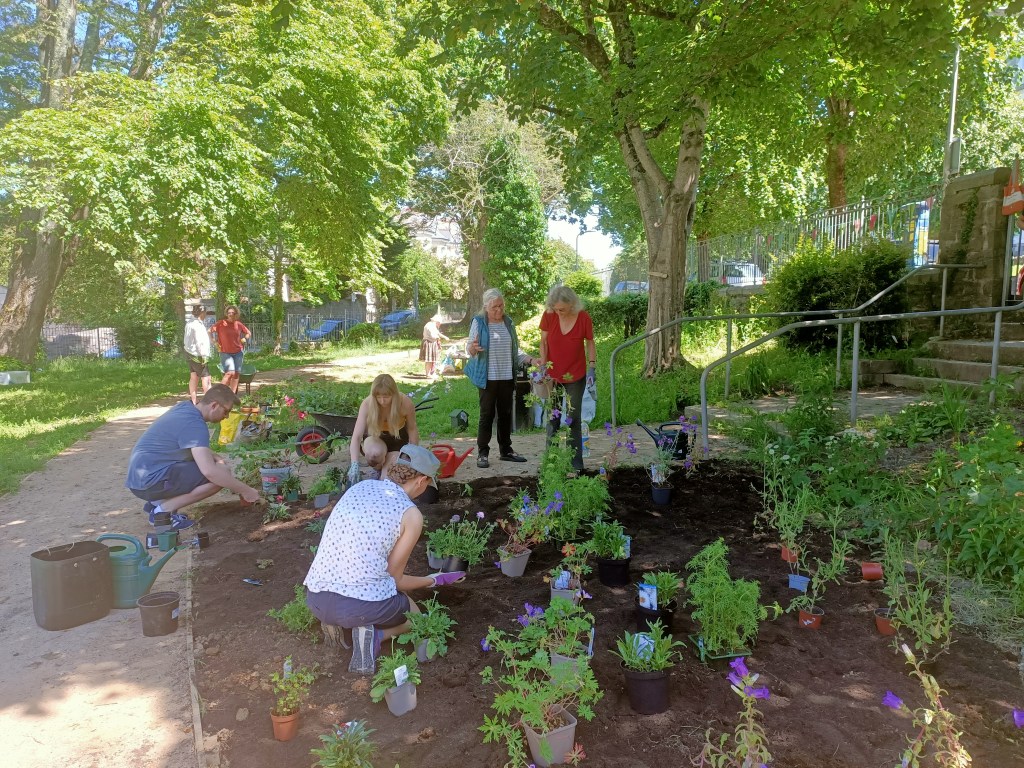
If the council proceeds with this wild plant ‘Armageddon’, as well as the obvious destruction of the plants and the wildlife that it supports, it will completely undermine and devastate all the positive work the council has made up until now. An important point, I think we all need to keep in mind, is that there are many people within Plymouth City Council who have worked hard, especially over the last 18 months, to support nature across our urban landscape. They have invested time and hard work into creating wildflower spaces, wetland areas, woodlands and green community areas for all of us, and wildlife, to enjoy. There are some very proactive and well informed people within Natural Infrastructure and the Green Minds team who have carried out positive work around Plymouth. I have personally collaborated with them to restore and support urban wildlife habitats and raise awareness through educational activities, like this one below at Houndiscombe Park.
Education is very important and clear facts need to be spread like seeds, if we are all to make informed decisions. Let’s look at some facts:
Insects make up over half the entire species on our planet, but 41% of them are hurtling towards extinction.
We need insects for our very survival, and those insects need habitat to rest, nest and feed.
Every species of plant, insect, bird and mammal is interdependent, and as humans we need them for our sources of food, medicines and the air we breathe: our very existence depends on them.
3/4 of our crops depend on pollinators.
Common wild plants and flowers found around the city, not just in parklands, but cracks in pavements and wall crevices, are vital for them to survive.
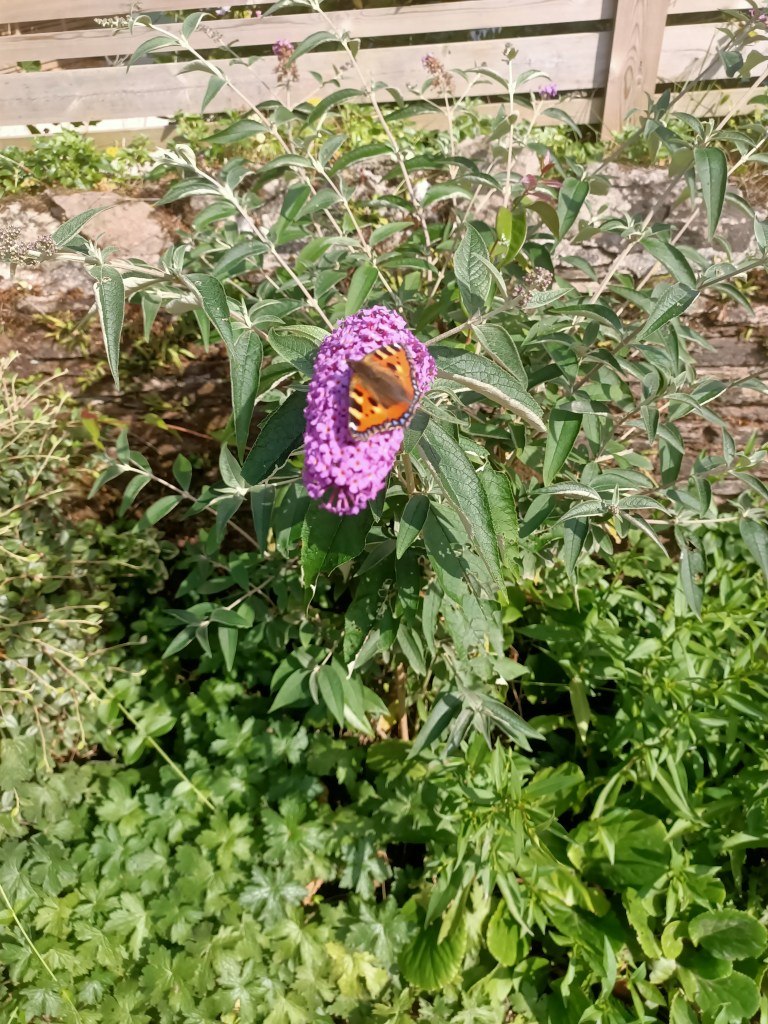
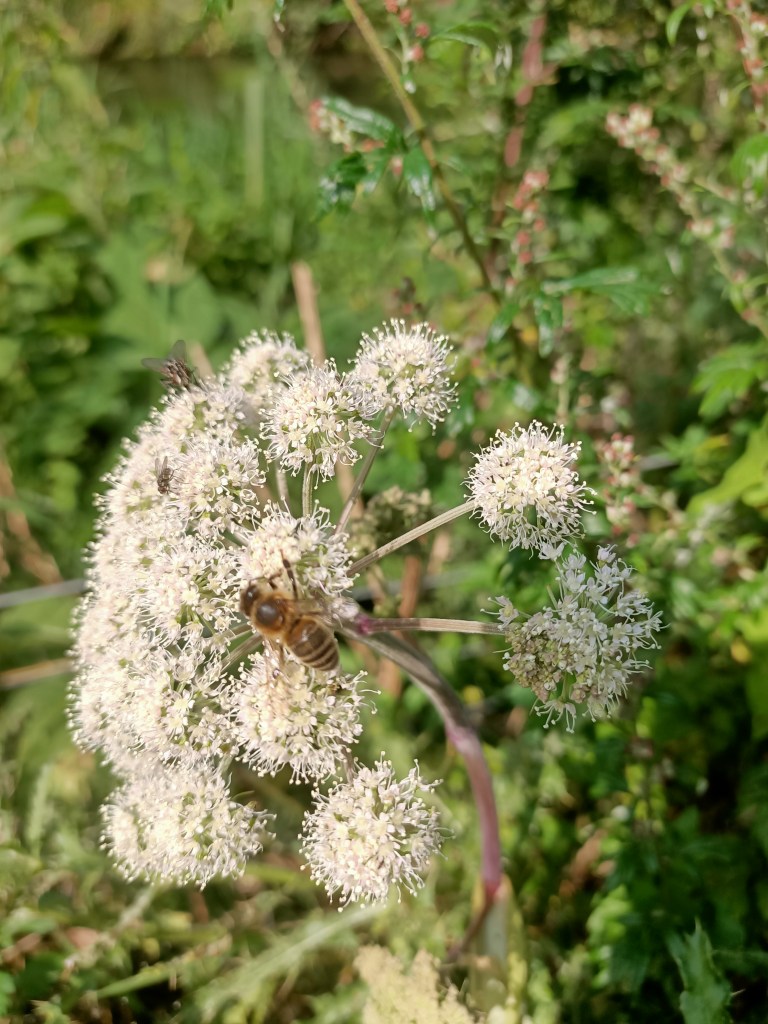
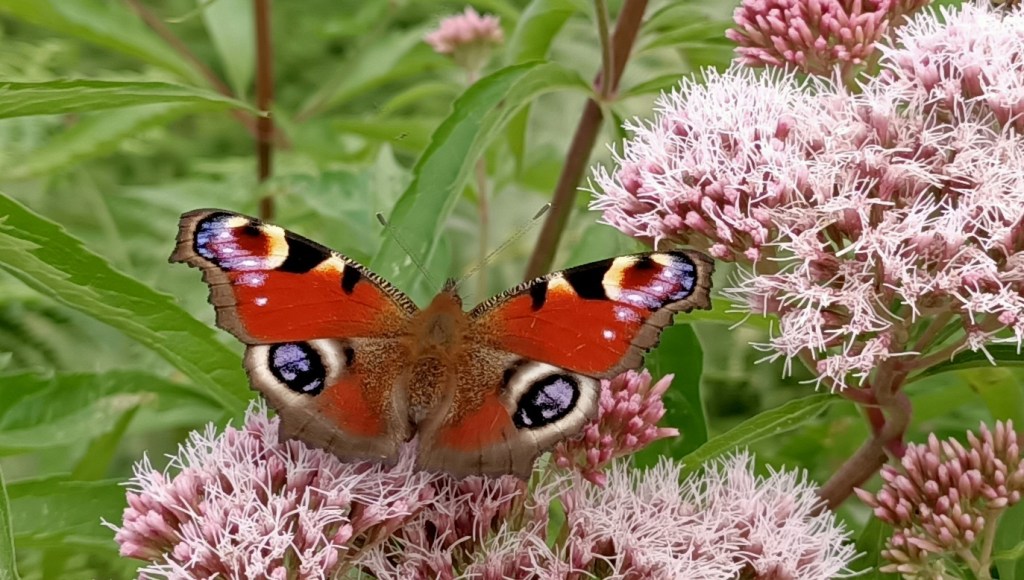
I think many of us have noticed empty shelves in supermarkets, but for bees, butterflies, moths and birds, by taking away these little corridors of nature from our streets, this is like taking the supermarkets and corner shops away entirely: with nothing to feed on, they die.
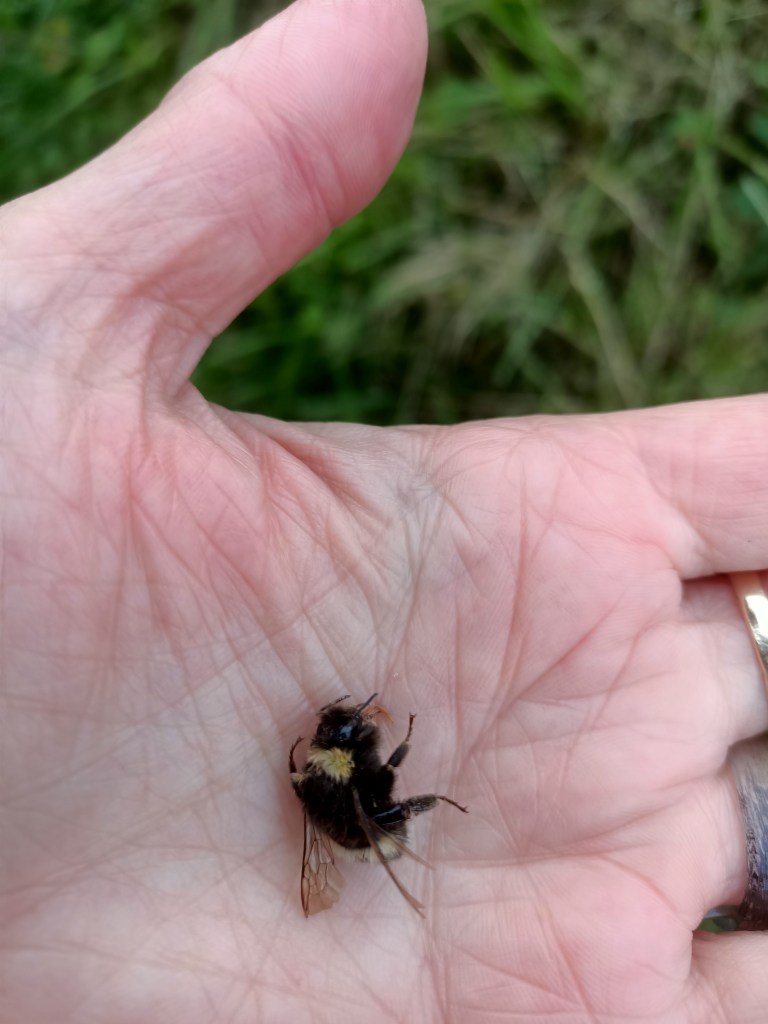
The added threat of using glyphosate-based herbicides is yet another ‘nail-in-the-coffin’ for wildlife. Here are some more facts:
The International Agency on Research on Cancer classified glyphostate as “probably carcinogenic to humans” in 2015.
Since that classification many countries have banned it, some of these include: Australia, changed to steam technology (as less harmful and more economical),
Belgium, as part of their ‘zero pesticides’ policy,
Colombia, due to concerns over cancer,
Costa Rica, to protect its wild areas,
Denmark, declared it carcinogenic,
El Salvador, due to links to deadly kidney disease,
Greece, as a duty of risk management towards consumers and the environment,
India, Italy, Kuwait, Luxembourg, Malawi, Netherlands, New Zealand, Oman, Bahrain,
Qatar, Saudi Arabia, Arab Emirates, the list goes on…
So, why is it still being sold in Britain? Well, possibly they deem it ‘environmentally safe’ because it is assumed to be inactive shortly after spraying due to rapid sorption (when one substance attaches itself to another) on to soil particles, however scientists state that there are concerns about our insufficient understanding of how glyphostate behaves and reacts with living organisms, the soil and the waterways it may filter into. That basically translates as: not enough is known about the chemical to make an informed decision as to its safety – therefore it’s dangerous! It’s a chemical that is sprayed, so it’s airborne for some time and can be inhaled. It then sits on the surface of plants and grasses that we sit in, play in, eat on and eat from (fruit and vegetables). Think about this when you’re next in the park with your children and your dogs… Now imagine how destructive this is to much smaller wildlife…is this really want we want?
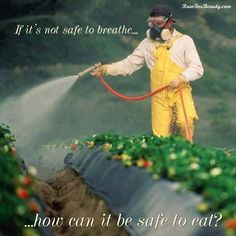
There are many other solutions to control wild plants, such as steam technology, cutting back and letting nature take its course.
Without facts and education how can any of us make informed and ethical decisions? How do we go forward now?
Well, I ask all the people of Plymouth to consider this article carefully. Please do not take my word for all this information – check out the facts for yourself. Research and reconsider. Do not blunder into actions that later, with more understanding, you may regret, just because it seems the quickest and easiest solution.
Many more people write letters of complaint, than in praise of something, that’s an unfortunate fact too. So, I implore every one of you who cares about nature, who has seen the accomplishments of the last 18 months to our natural and wild spaces in Plymouth, to please email or write a letter to the council and tell them how much you care.
I also reach out to Maddi Bridgeman at Plymouth City Council to rethink: education not eradication! I myself have learnt so much about wild plants, flowers and biodiversity in the last 18 months, working with many other amazing organizations and individuals across Plymouth. Many of us work tirelessly, often voluntarily, to make our city a more beautiful and healthier place to live, so let’s work together, not against each other.
Liz
 #RebelBotanists