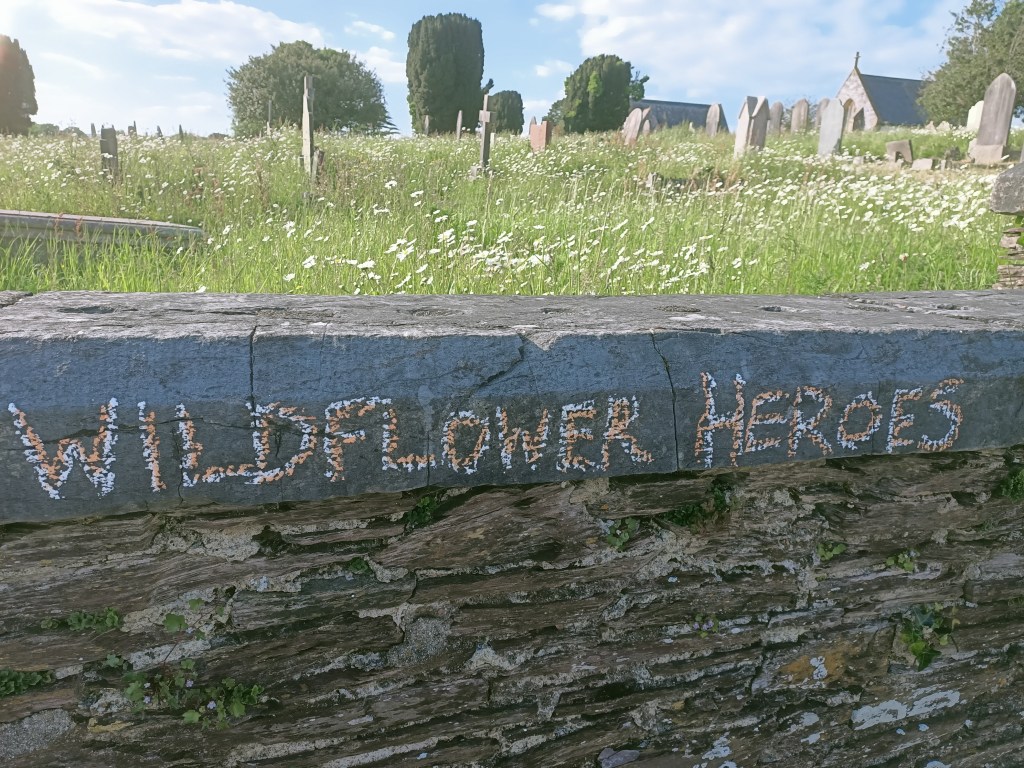
What’s in a name? Well, when we’re talking about wildplants, there’s rather a lot!
As Rebel Botanists, we’re very keen to discourage the broadly used label ‘weeds’. Oh, it almost makes me shudder to say/write it! Thank goodness, and at last, the RHS agrees too, according to a recent Guardian report
(https://www.theguardian.com/lifeandstyle/2023/apr/25/chelsea-flower-show-gardens-rebrand-weeds-hero-plants) which has headlined them as ‘hero’ plants.
“Sheila Das, a garden manager at Royal Horticultural Society (RHS) Wisley in Surrey, said gardeners should stop using the term “weeds” in a derogatory way…Tom Massey at the Royal Entomological Society (RES) said there’s a lot of stigma around the word ‘weed’.
The word has become a very derogatory one, that is clear, conjuring up distaste, verging on hatred. It reminds me of school playground name-calling; it seems the human species are very good at creating words to fix things into convenient boxes, paying little attention to individuality, and very often using these words to belittle and discredit. But, why? Why do we do this?
This fixation to turn the positive into a negative, I feel, generates hatred and possibly the seeds of poor mental health. In the case of wildplants, it is also completely unwarranted.
Nature’s wildflowers are indeed heroes.

Many wildflowers are vital to wildlife health, as well as our own.
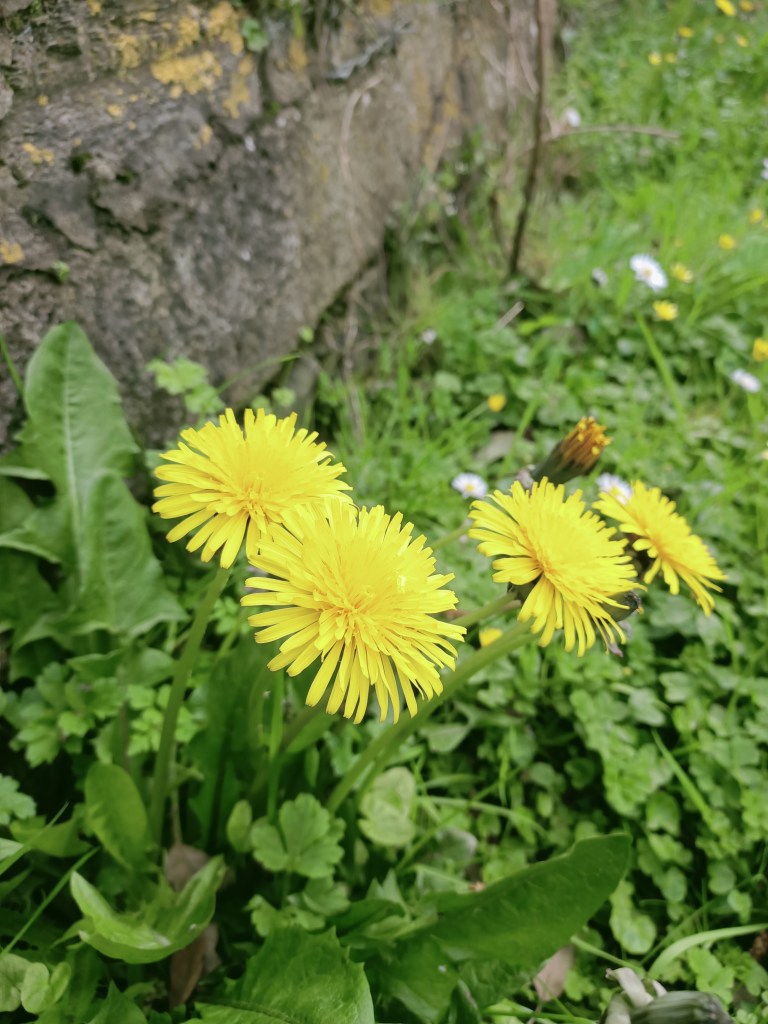
Did you know, the Dandelion, for example:
“is full of vitamins A, B, C and D, as well as minerals, such as iron, potassium, and zinc. The leaves are used to stimulate the appetite and help digestion. Dandelion flower has antioxidant properties. Dandelion may also help improve the immune system. Herbalists use dandelion root to detoxify the liver and gallbladder, and dandelion leaves to help kidney function.” https://www.mountsinai.org/health-library/herb/dandelion).
“Dandelions are an important early source of food for pollinators – so let them grow!” say the Wildlife Trust on their website.
With a massive 60% decline in flying insects, in just the last 20 years, there can be no excuse to cut these vital food sources.
“…we would starve without plants, we wouldn’t be able to breathe without plants. And yet people’s understanding about plants, except in a very kind of narrow way, has not kept up with that.” David Attenborough stated in 2022. (https://www.radiotimes.com/tv/documentaries/david-attenborough-the-green-planet-appeal)
Wildflower heroes are in your gardens, on grass verges, climbing up the walls, nestled by trees – they are both beautiful and vital. We have to see them for the individuals they are and what they bring to this incredible planet.

Please research each one as you come across them, to understand their value. Look at reliable sources of information, e.g. Plantlife.org.uk, Wildlifetrust.org, Woodlandtrust.org.uk, Britishlichensociety.org.uk and so on. You’ll be amazed at what you’ll learn.
Remember, we probably know less than 15 percent of the value of nature around us. There could be species going extinct today, that may cure some of our cancers or prevent dementia. There is still so much we do not yet know.
So, whilst we can start to replace that horrible ‘w’ word for wildplant heroes, let’s also consider using the specific names to identify the plants we are referring to – it really does help.
If you’re lucky enough to have these lovely delicate pale pink wildflowers in your garden, or on a nearby verge, then you may know it’s called a Cuckoo flower.
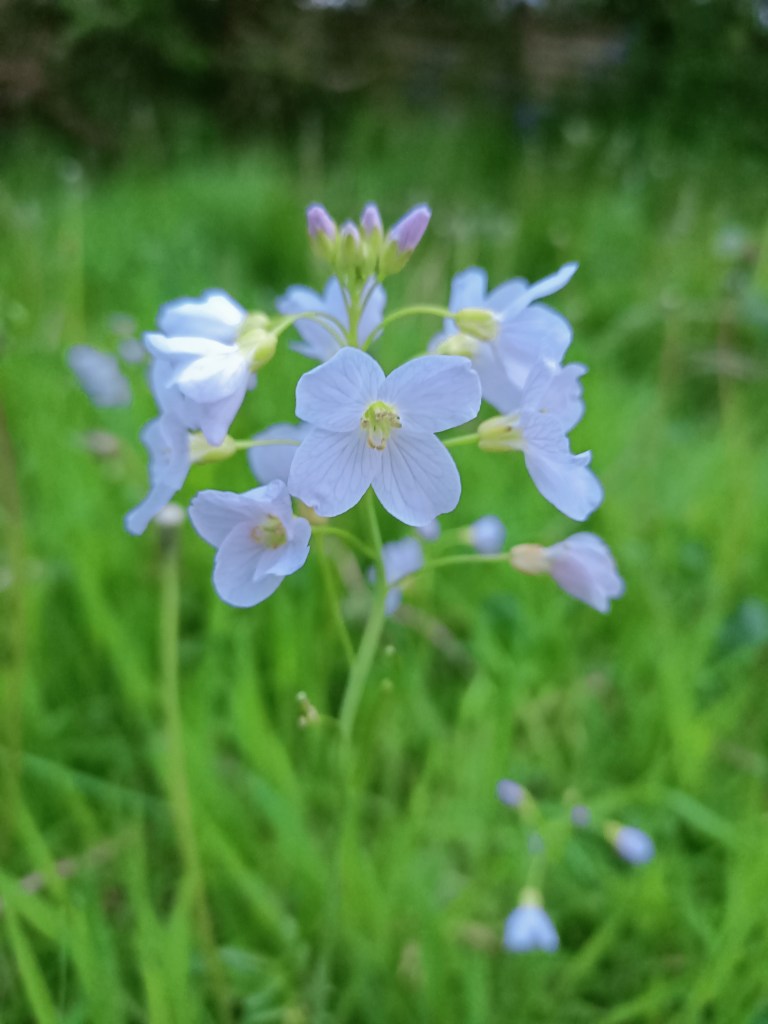
However due to cultural/regional differences you may know it as Lady’s Smock, Mayflower or Milkmaids. So, how can we be sure we are all looking at the same flower? Enter Latin, to solve that problem.
Latin offers stability of recognition across the world. So regardless of the regional names, we know this flower is recorded as Cardamine pratensis. Pratensis is Latin for meadow, so we know this is predominantly found in meadowlands. Cardamine is a large genus of flowering plants in the mustard family, Brassicaceae, known as bittercresses and toothworts. It contains more than 200 species of annuals and perennials. Species in this genus can be found worldwide, except the Antarctic, in diverse habitats. (Wikipedia). The leaves of the flowering plant are used to treat chronic skin complaints and asthma. It has beneficial digestive and stimulant properties, also (https://www.conservationhandbooks.com/wildflowers/cuckooflower). Importantly, it is a valuable source of food for many species of bees, hover-flies, moths and butterflies, including the Orange-tip, Anthocharis cardamines, that feed on the flowers and lay eggs on the leaves, which their larva will later feed on.
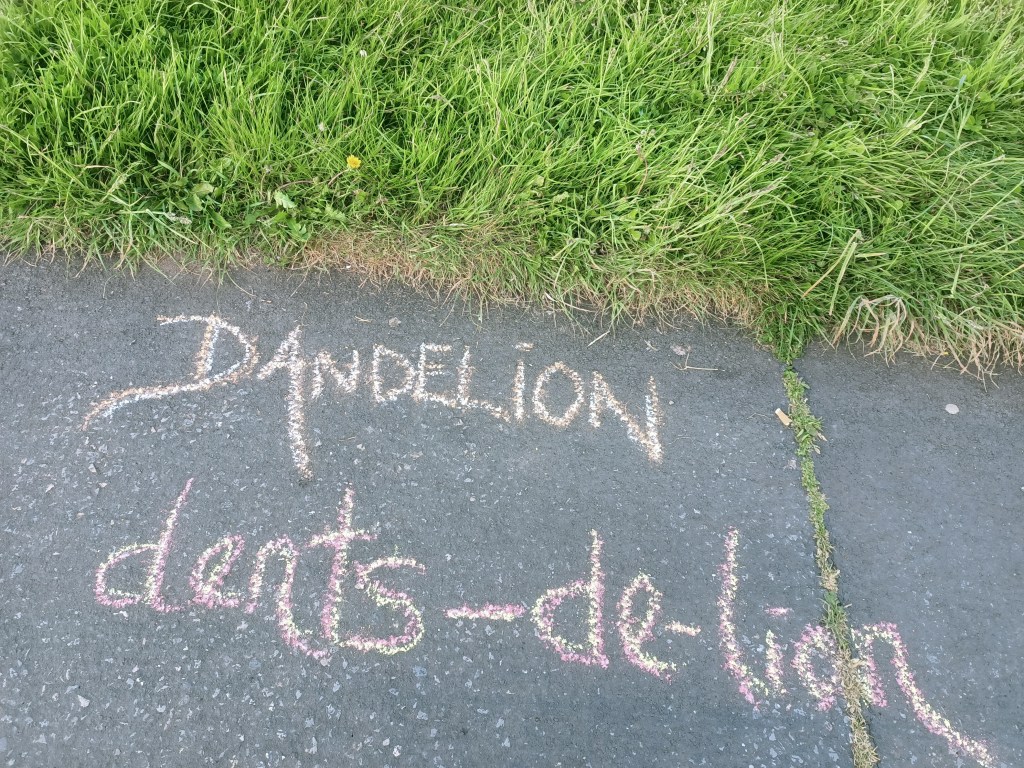
If we refer back to the delightful Common Dandelion, its Latin name is Taraxacum officinale. Officinale tells us this wildflower has uses in medicine, herbalism and cookery. The first part of the name, Taraxacum, is Arabic meaning ‘bitter herb’. However, the word Dandelion comes from the French dents-de-lion, referring to the yellow floral rays resembling the shape of lions’ teeth.
You see, when we really think about how we use words, they can be to all of our advantage, educational and fascinating! So, let’s start losing the derogatory labels and reveal our wildlife heroes through the use of their individual names and appropriate use of language.


 #RebelBotanists