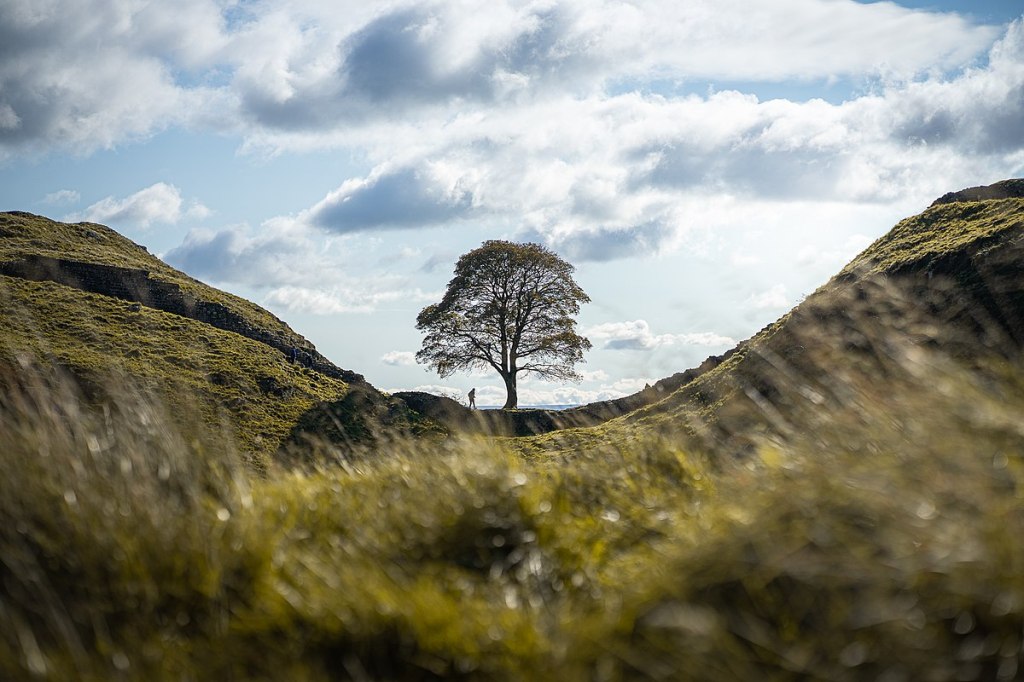
The distress caused by the “pointless and mindless” felling of the 300-year old Sycamore Gap is still evident a week later, as highlighted on Mark Radcliffe’s BBC2, Folk Show, on the 4th October. http://(https://www.bbc.co.uk/programmes/m001qvbx) He made this tree the theme of his show, engaging links to nature and Hadrian’s Wall, where it had stood: an ancient life beside an ancient monument. His show opened with a song by Paul Armfield: ‘Woodman, Spare the Axe http://www.paularmfield.com; of course this plea is too late for the Sycamore Gap, but can we learn something from this dreadful incident?
‘The woodman’s axe has been responsible for many gaps’ (The Project Gutenberg eBook of Memorials of Old Derbyshire): consider only recently the chopping of 110 trees in Armada Way, Plymouth. The local campaign group, STRAW, http://www.strawplymouth.co.uk borne out of this tragedy, slapped the council with a high court injunction.
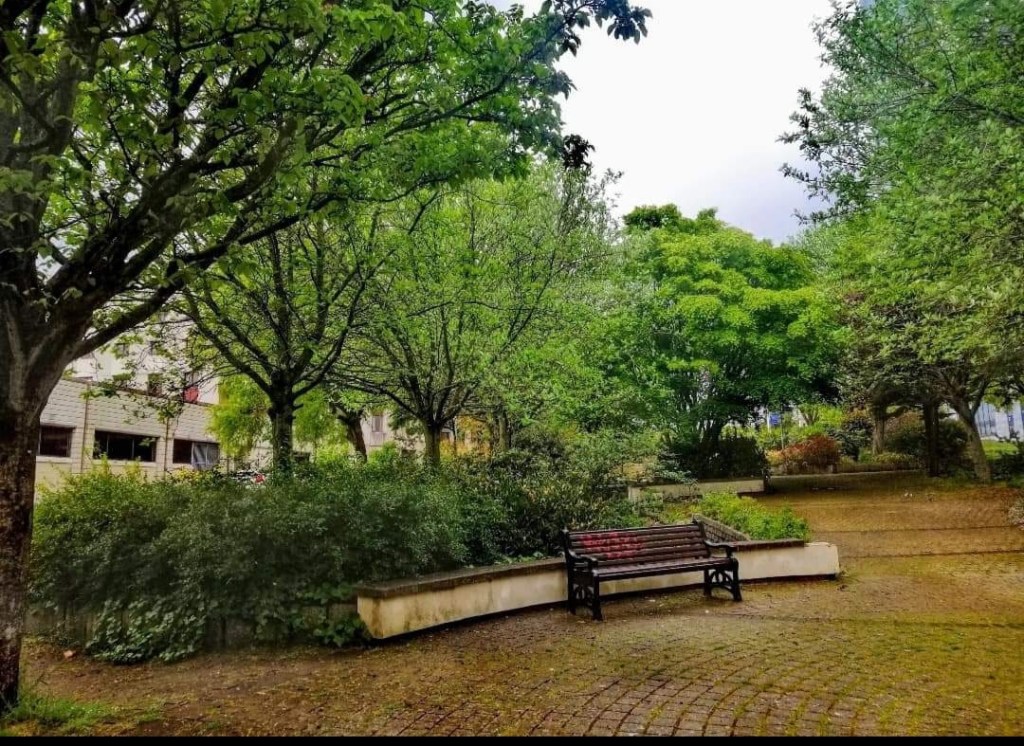
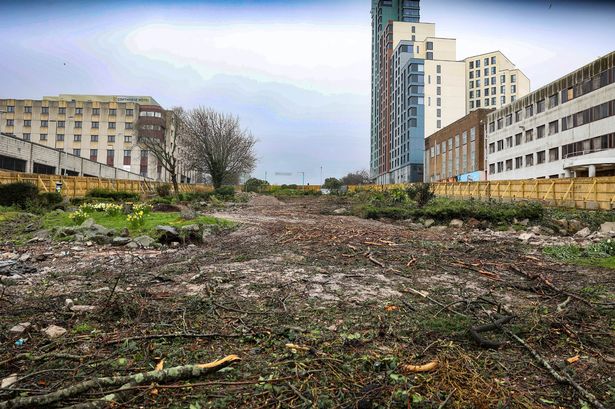
The Guardian covered the story with the headline description of ‘an act of vandalism’. Looking at these before and after photos, the devastation is palpable.
Consider, also, the destruction of ancient woodlands, Sites of Special Scientific Interest, wetlands and wildflower meadows by the government’s HS2 debacle.
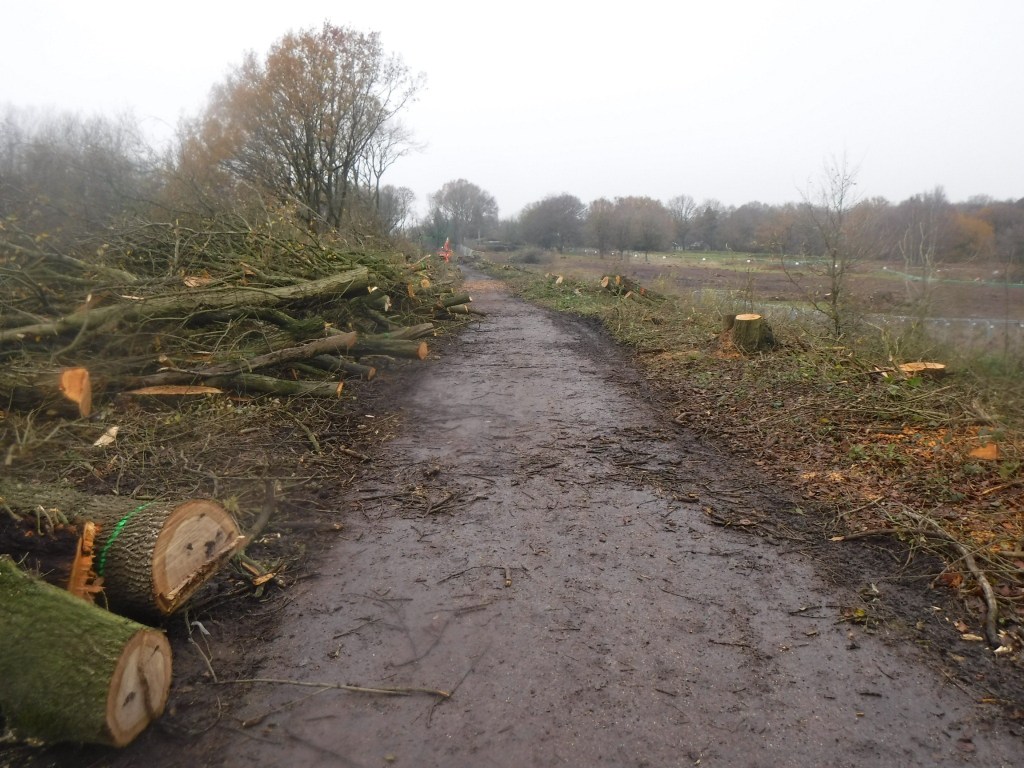

Some people might say, why are we so upset, it’s only one tree; well, actually the Sycamore Gap is representative of the thousands of trees that are being thoughtlessly slaughtered in the UK every year.
Bravo to Mark Radcliffe for raising further awareness of this ecocide. Whilst many people are evidently moved by this tragedy, due to the Sycamore Gap’s iconic and aesthetic location, we really must remember all other trees that need protecting. Every tree is a living breathing being, that provides oxygen, cleans our polluted air, provides habitat and shelter to many thousands, yes thousands, of wildlife species that are also under threat.
So, what can we do? What can YOU do as an individual?
Firstly, start respecting trees: walk amongst them, take note of the bark and leaf shapes; how many species can you identify? Learn a little about them. To name them correctly is a great start.
Secondly, join a local group to plant and protect trees. The singer, Paul Armfield, mentioned earlier, not only sings songs about trees, but protects them too. If you live in the Isle of Wight, you will be aware of his Songs Beneath the Trees Project – check it out. If you live in Plymouth, consider joining Moor Trees, a brilliant organisation planting trees on the moorland.
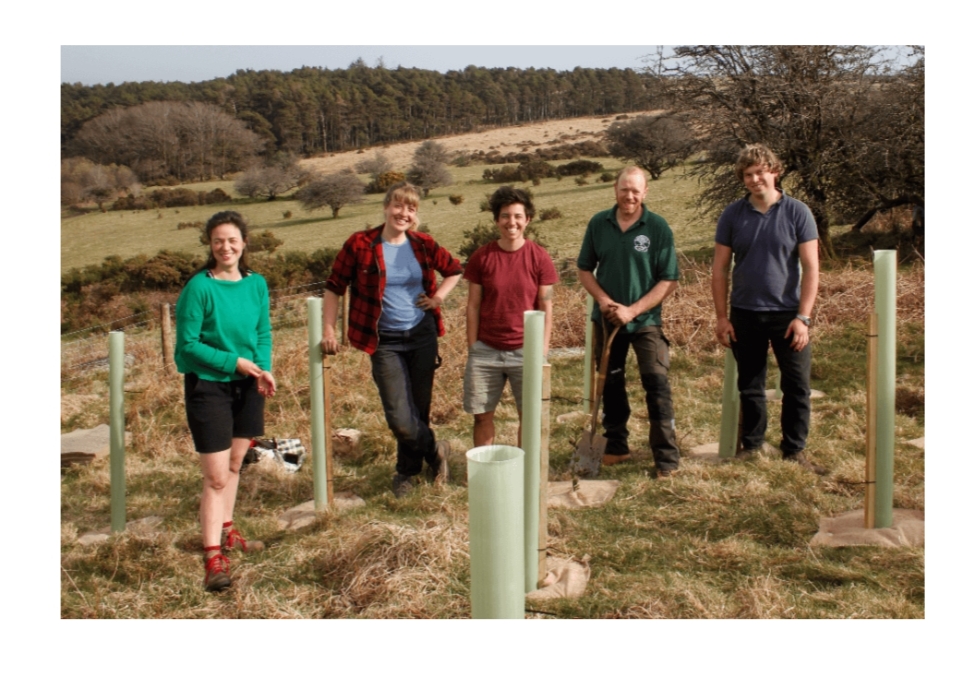
Join us, the Rebel Botanists and learn about trees and wildflowers through creative street art practices. Wherever you live, there should be something going on with nature protection at its heart.
Thirdly, why not plant a tree in your garden, or join a local ‘Friends of…’ group that care for your local park.
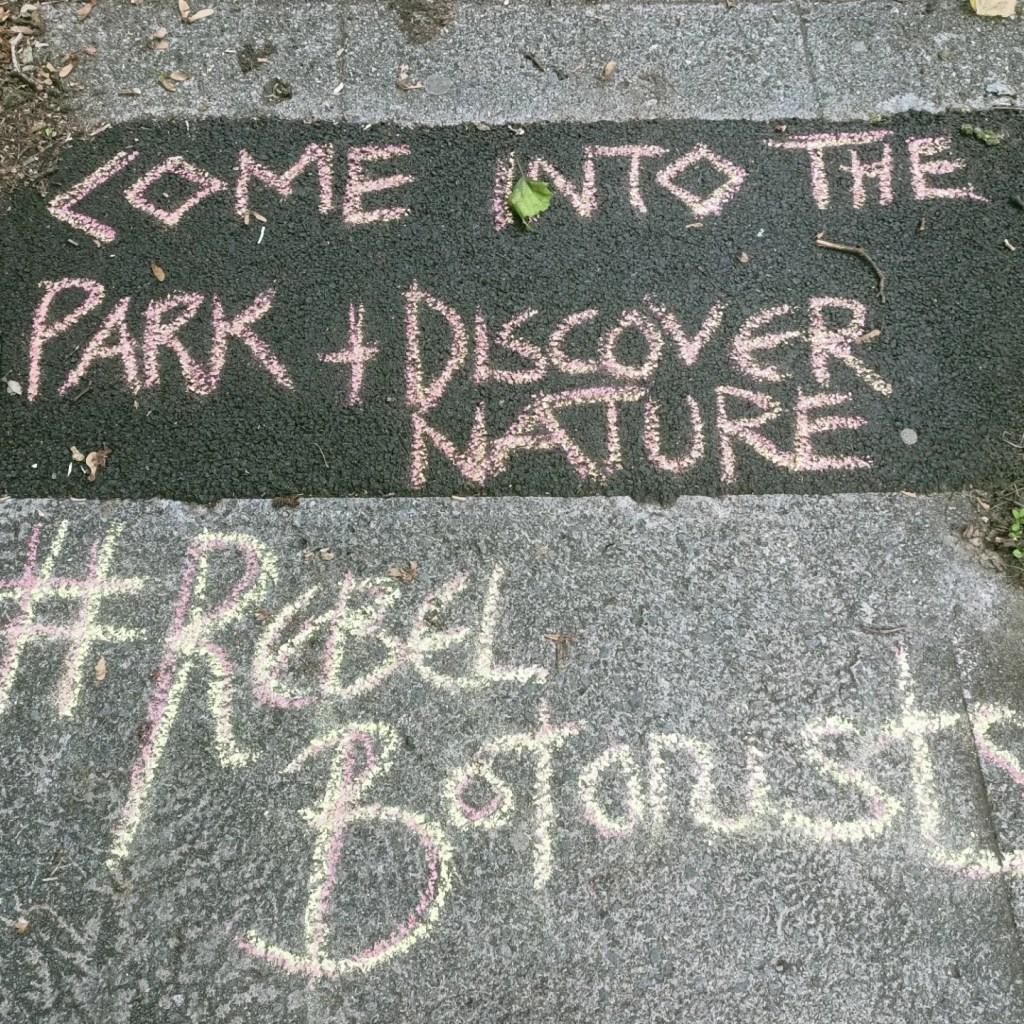
If you teach, embed sustainability and environmental good practice in to your curriculum and, even better, do it outside: outdoor learning is far more exciting and memorable than reading information from workbooks. 🙂👍🌳

 #RebelBotanists