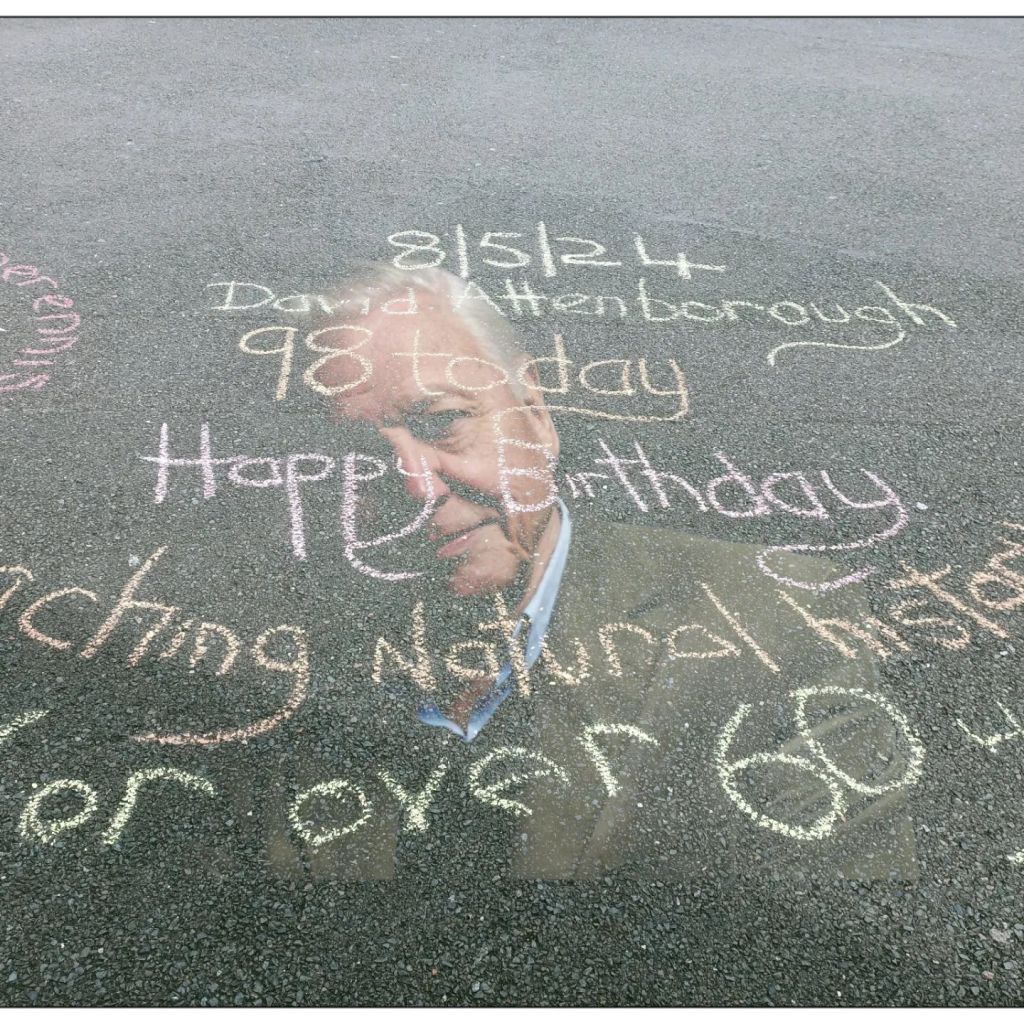
On the 8th May 2024, we held two chalking events to celebrate the birthday and on-going work of Sir David Attenborough, at the fantastic age of 98 years.
The work he has carried out in researching and facilitating natural history to millions of people across the world has, I’m sure, given rise to so many contemporary proteges, as well as raising awareness of the myriad life forms that make up our biosphere. Covering geology, botany, biology, zoology, history and climate warming: his publications and documentaries cover a plethora of sciences that reach across a wide curriculum. This is informal teaching at its best!
‘Informal education does not have the ordered structure and rigidity of formal education. It’s more natural, spontaneous, relaxed and engages different techniques from those found in a classroom.
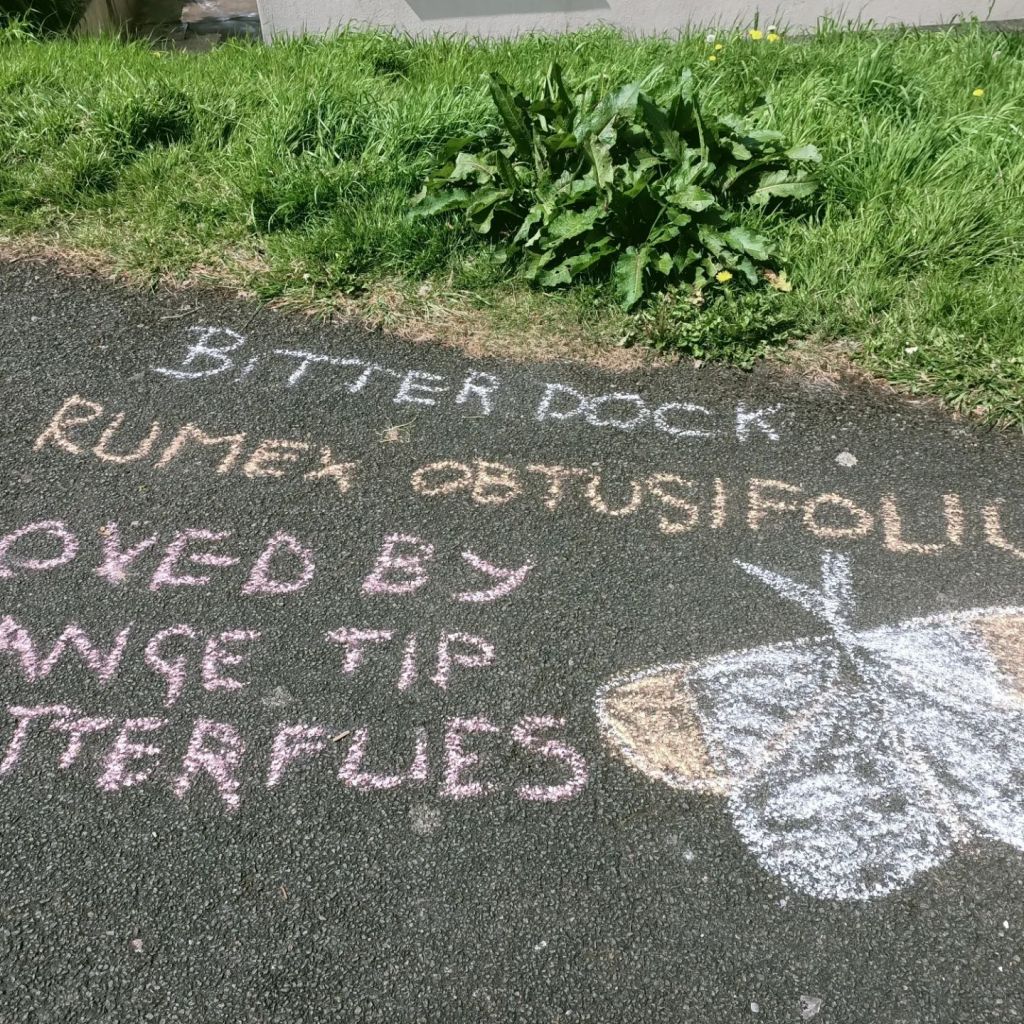
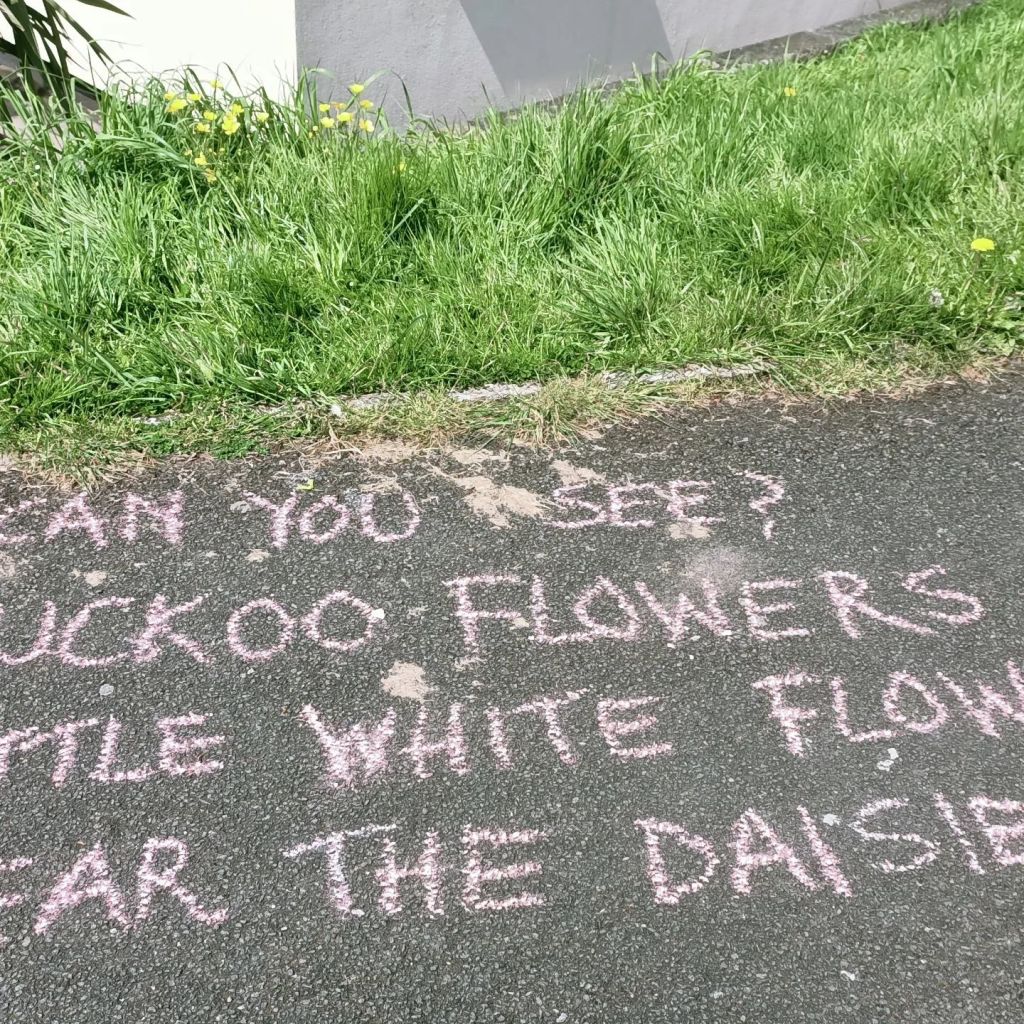
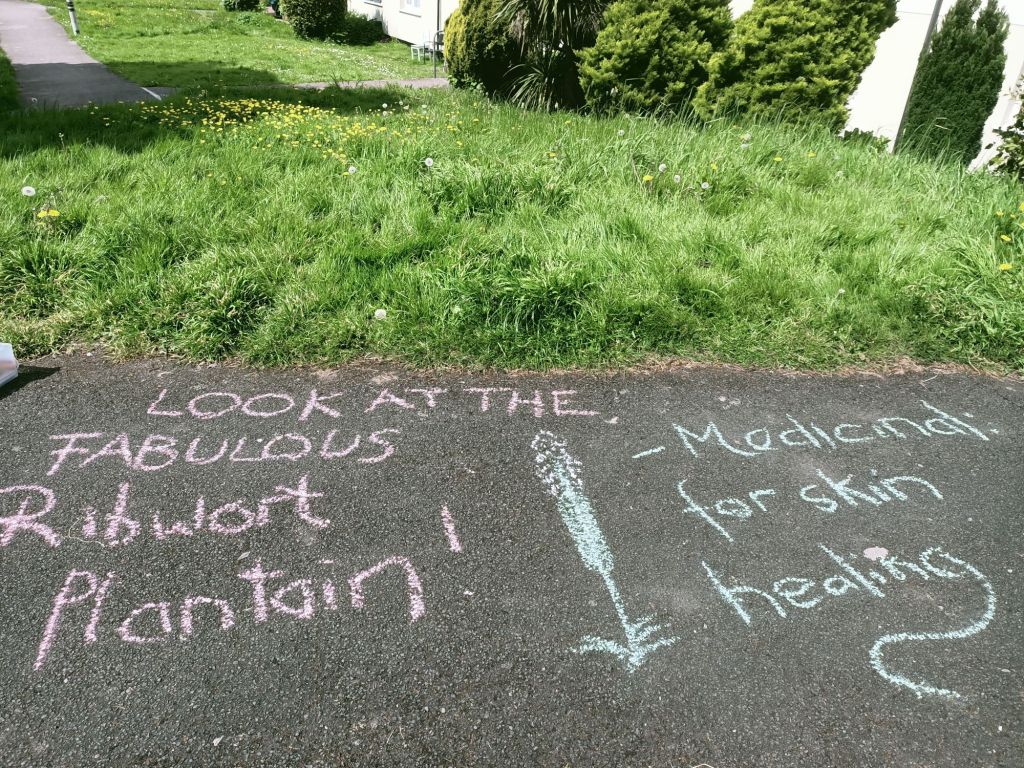

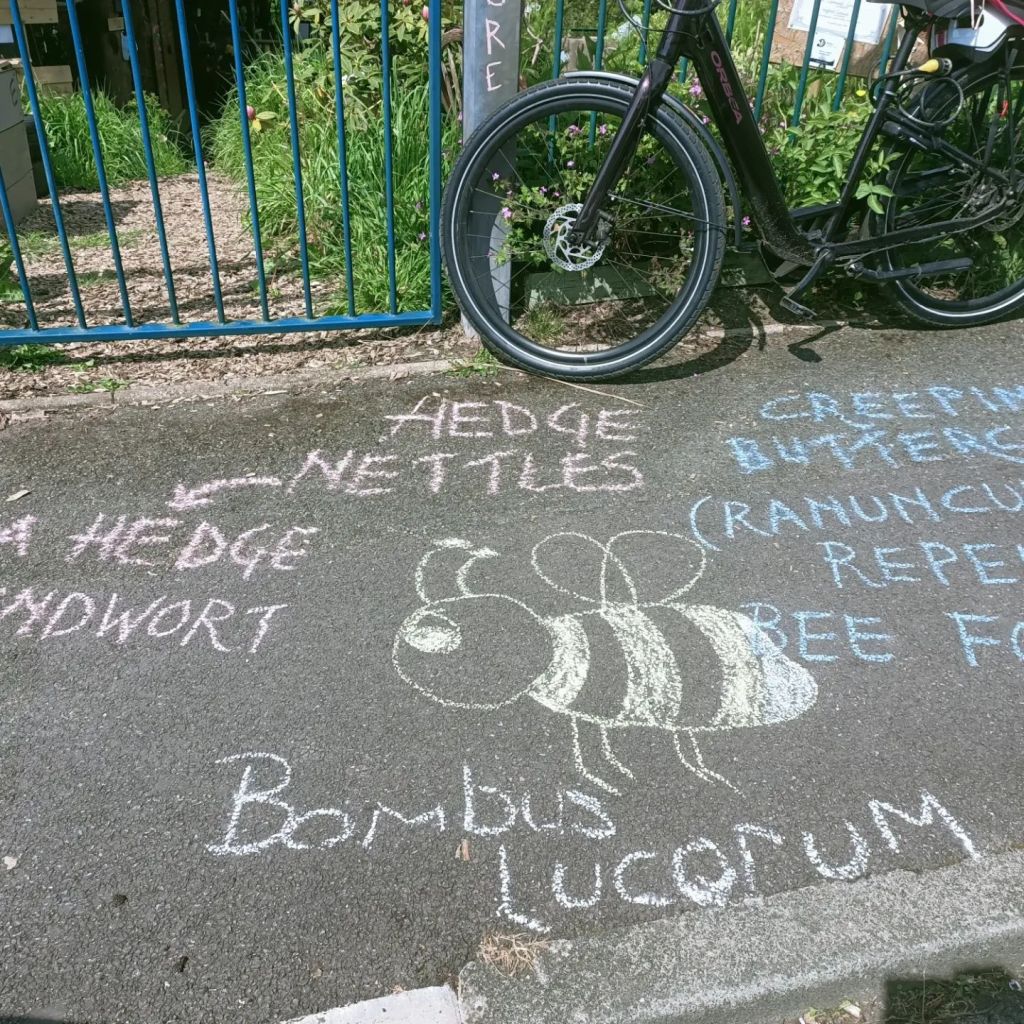
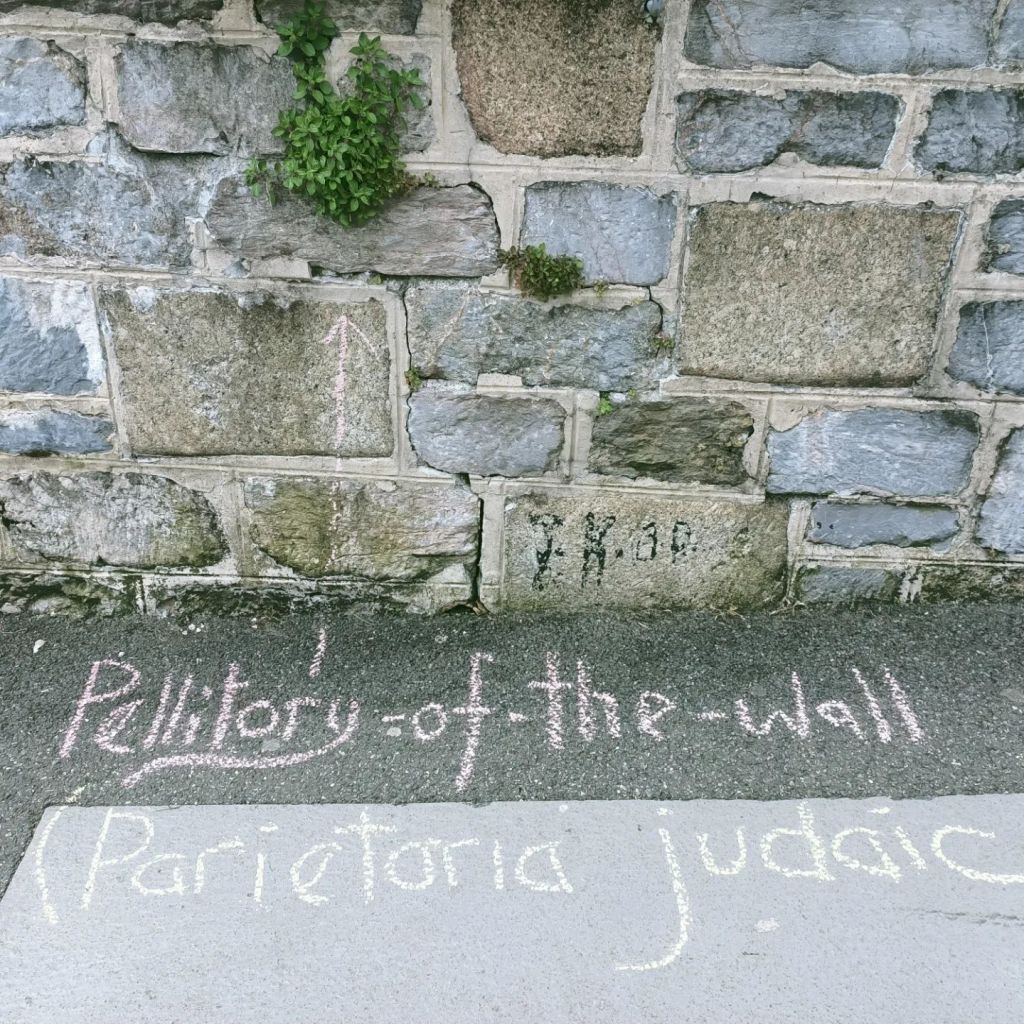
To increase knowledge and understanding of urban wild plants we also use an informal approach to learning. A different and rather rebellious technique of chalking Latin botanical names and information on pavements beside the plants: we are street art educators. People stop and look, they read, take photos and ask questions. This is the best way to engage learning – by arousing curiousity, so people want to know more.
So much of what’s going wrong in the world, is often borne out of ignorance. The mass media plays a big role in this by promoting a debt economy through blatant indoctrination practices: buy, buy, buy, debt, debt, debt. People are being conditioned to buy pesticides, power machines, bigger cars, oil-based plastic products, not because they need them but because it makes the CEOs richer.
“Education is the most powerful weapon you can use to save the world”, said Nelson Mandela; such wise words. Confrontation does not bring compromise, but conversations do. Taking time to listen and learn brings many rewards, including peace and understanding – which I’m sure you’ll agree, we need more of.
When I think back to growing up with Attenborough, as my ‘television teacher’, I wonder if without his inspirational I would have read about Rachel Carson, Edward O. Wilson, Alexander von Humboldt or Darwin’s earthworm project. It’s interesting how one thing leads to another: a rhizomatic rhythm, don’t you think? 🤔
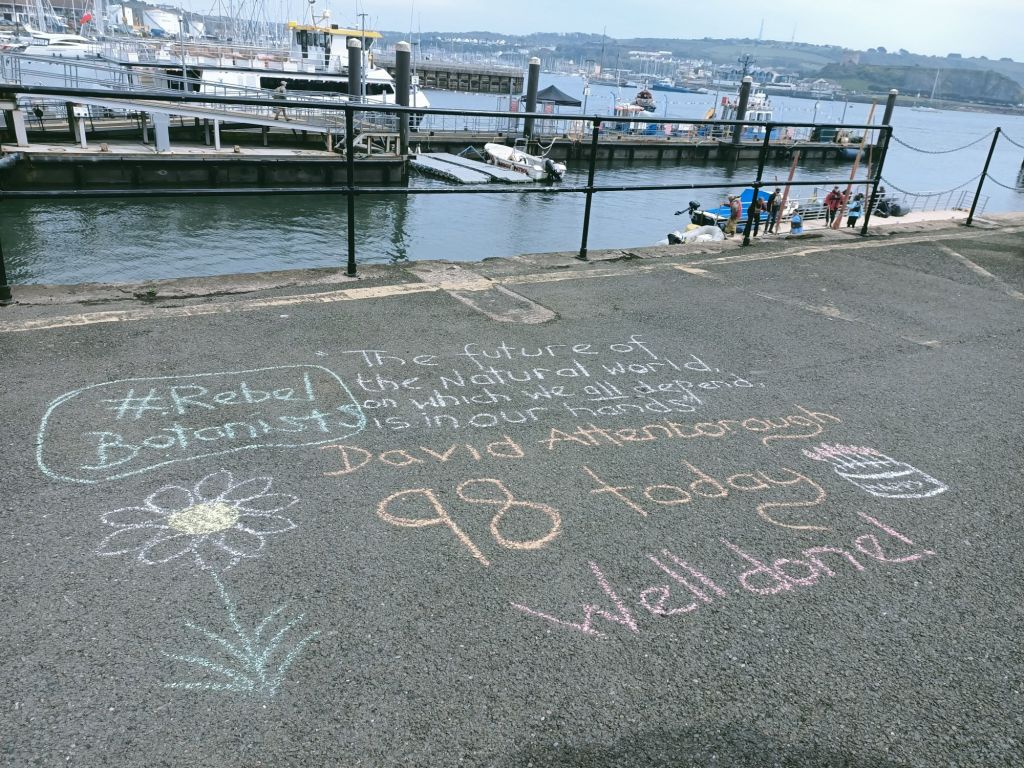
 #RebelBotanists