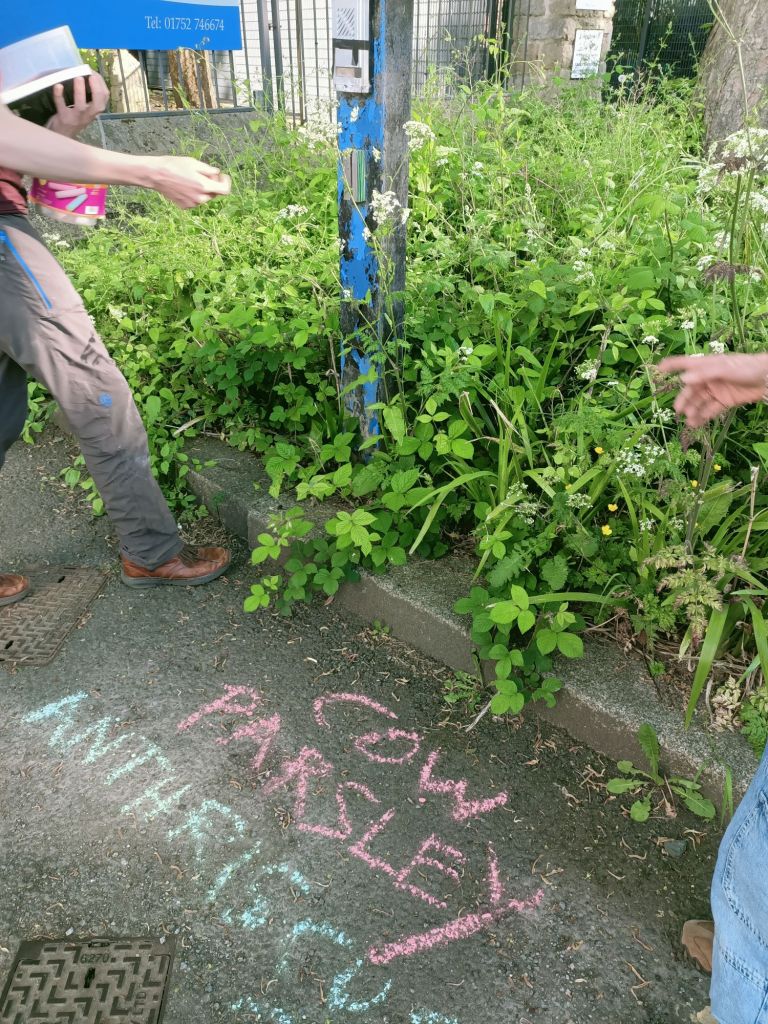
Did you know that Durnford Street, Plymouth was once the location of Sir Arthur Conan Doyle, the author of the great fictional detective, Sherlock Holmes? In 1882 he practiced medicine for a short time here. Well, we went on our own investigation to see what urban wild plants we could find on this famous street. 🔎👀 🌿
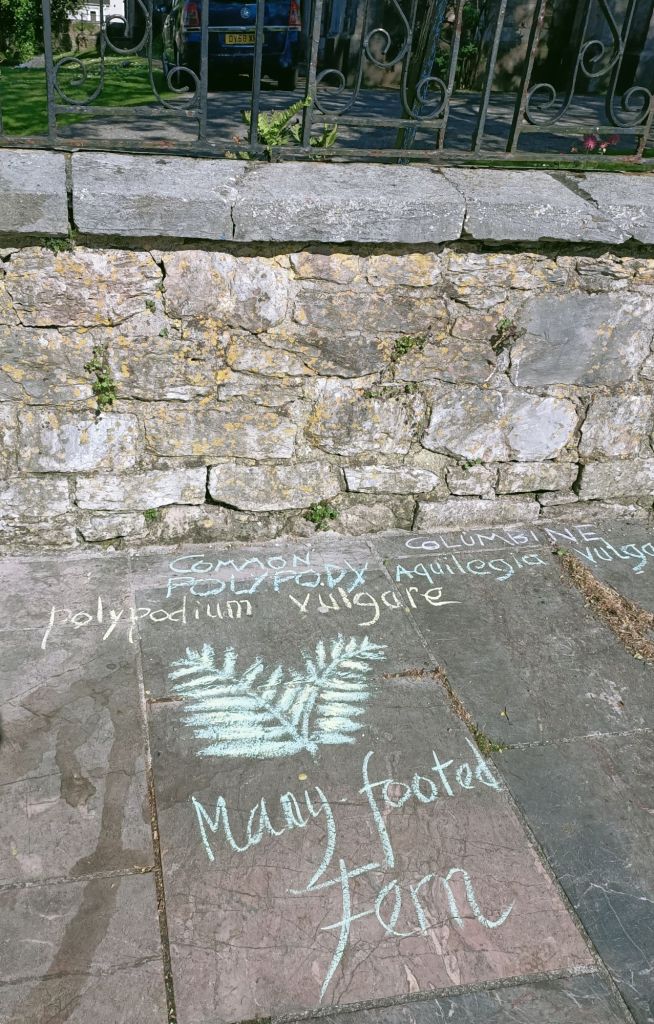
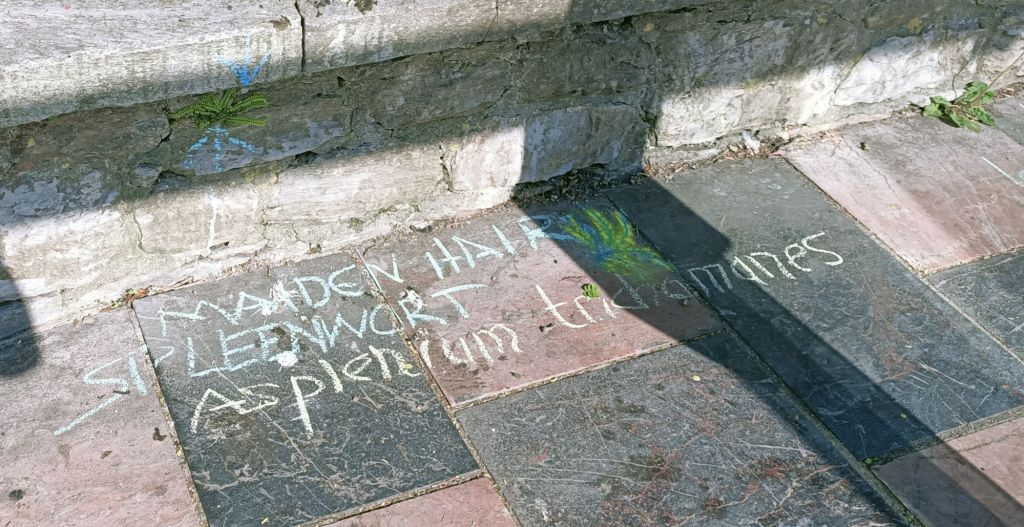
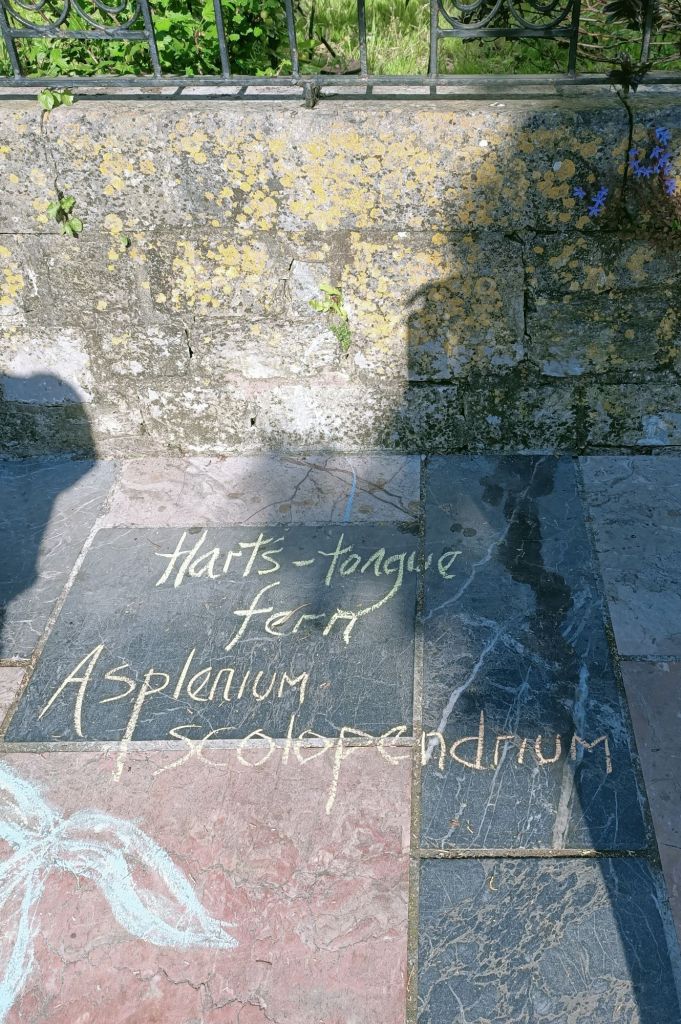
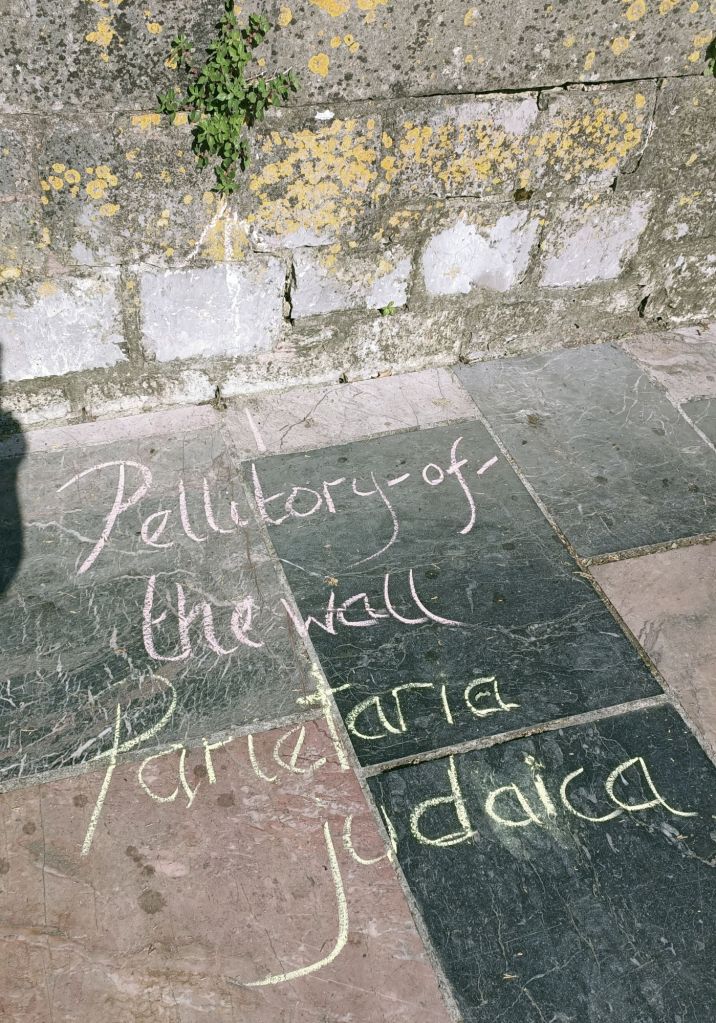

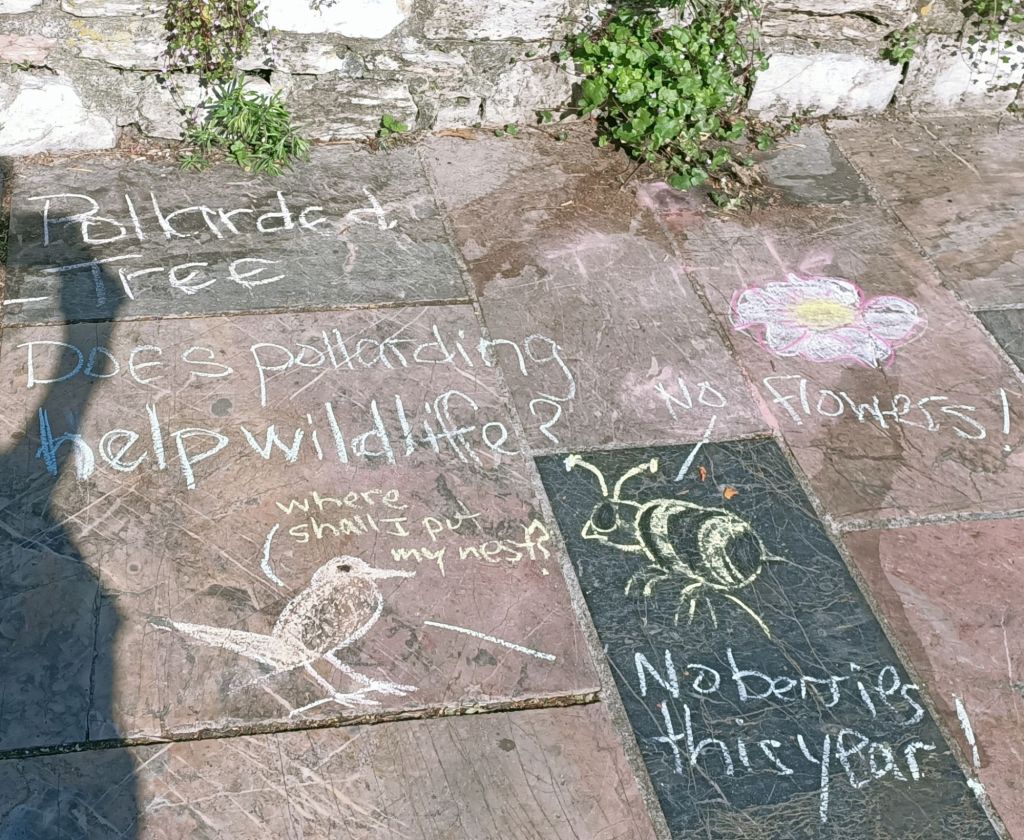
Unfortunately, a harshly pollarded tree in the church grounds upset a local lady who spoke to us about it. She said:
“It (Hawthorn) was just coming into flower; it was beautiful last year, but look how they’ve pollarded it! I doubt it will recover from this; they have left it as a stump.”
Pollarding is a controversial issue, particularly when it’s been carried out so extensively it appears to have killed the tree! Education is clearly needed. .
“Common hawthorn can support hundreds of other species. It is the foodplant for caterpillars of moths, including the hawthorn, orchard ermine, pear leaf blister, rhomboid tortrix, light emerald, lackey, vapourer, fruitlet-mining tortrix, small eggar and lappet moths. Its flowers are eaten by dormice and provide nectar and pollen for bees and other pollinating insects. The haws are rich in antioxidants and are eaten by migrating birds, such as redwings, fieldfares and thrushes, as well as small mammals.” Thanks to the Woodland Trust for this information.

‘Eco Churches’ is a UK organisation to support churches to protect nature through a range of ethical and environmental practices. https://ecochurch.arocha.org.uk/ If you live near a church perhaps recommend them to connect with this website. If you are outside the UK then check out A Rocha which is the international organisation. For surely, ‘ all things bright and beautiful, all creatures great and small‘ need protecting now 🙂👍
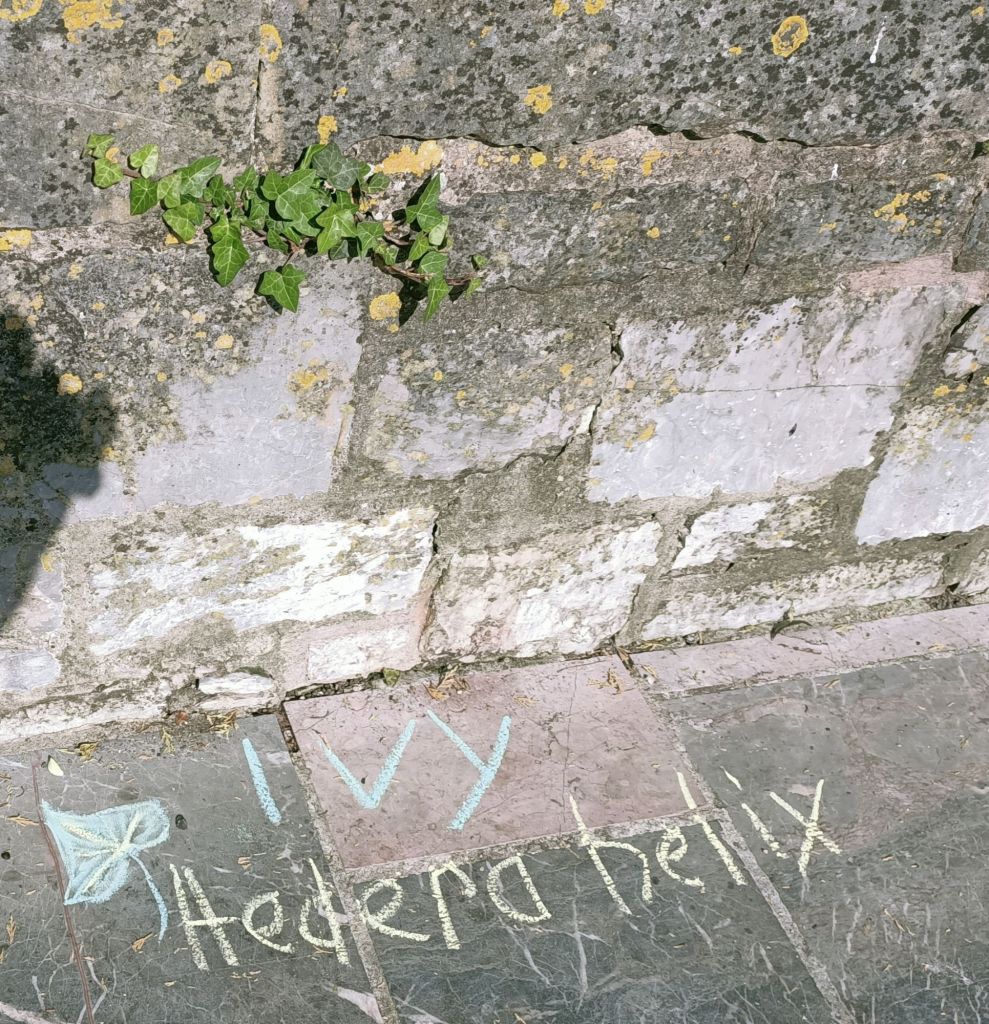
Here are some amazing biodiversity facts about Ivy! If you’re not a fan you need to read this:
“Ivy is particularly important to many insects before they go into hibernation. Some of the main insect species which forage on the nectar and pollen of ivy are bees, hoverflies and wasps. It is an important food plant for some butterfly and moth larvae such as holly blue, small dusty wave, angle shades and swallow-tailed moth.
Nectar, pollen and berries of ivy are an essential food source for insects and birds, especially during autumn and winter when little else is about. It also provides shelter for insects, birds, bats and other small mammals. The high fat content of the berries is a nutritious food resource for birds and the berries are eaten by a range of species including thrushes, blackcaps, woodpigeons and blackbirds.
Many rare insects are attracted to ivy flowers, including the golden hoverfly.
Thanks to https://www.woodlandtrust.org.uk/trees-woods-and-wildlife/plants/wild-flowers/ivy/ for the information 🙂👍

Lovely pink flowers loved by many pollinators 🐝🦋🐝🦋

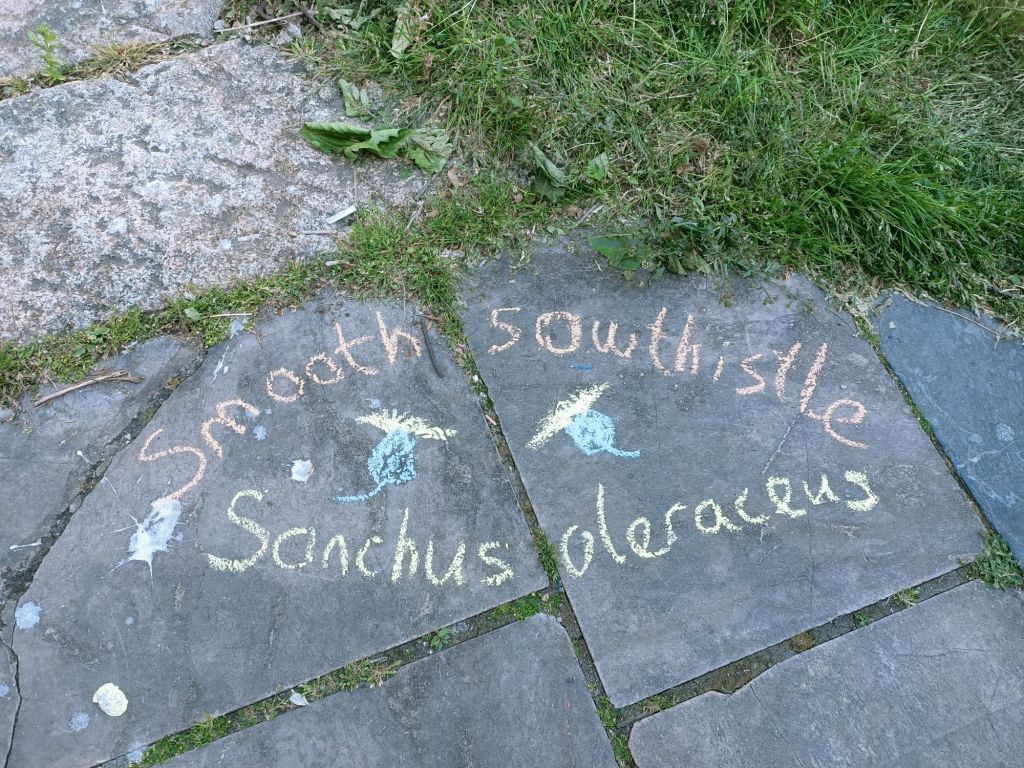
The Smooth Sowthistle has many common names, including Common Sowthistle and Puha in New Zealand 🙂
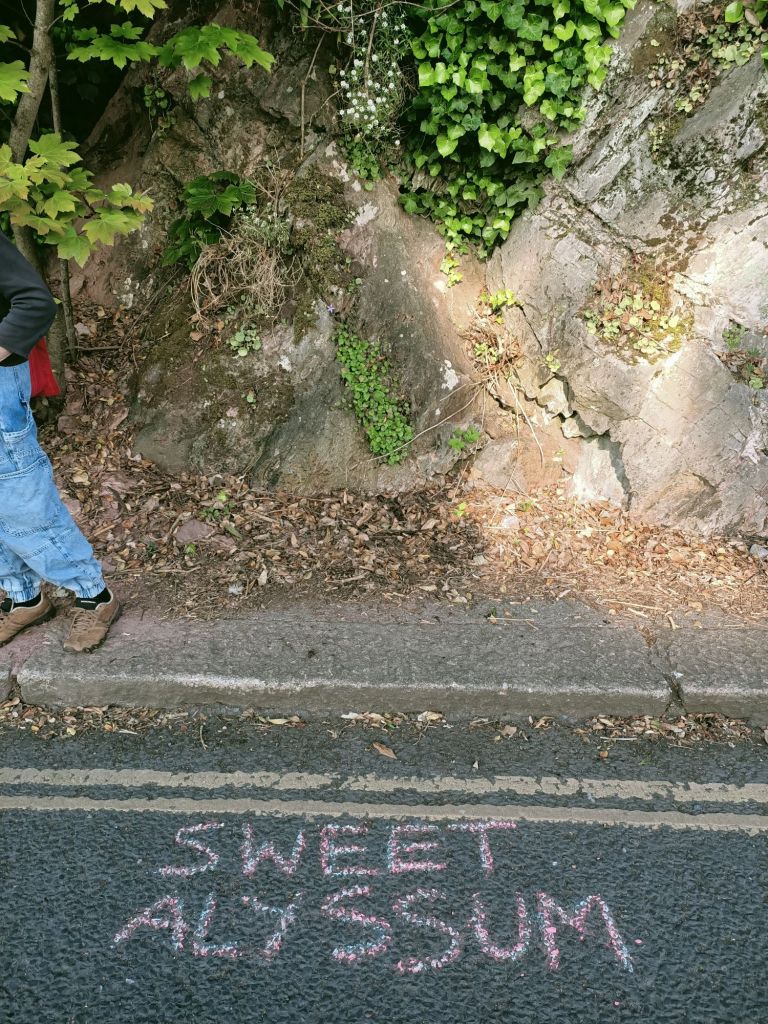
The delicate floral scent of the Sweet Alyssum is believed to have a calming effect on the mind and reduces anxiety.
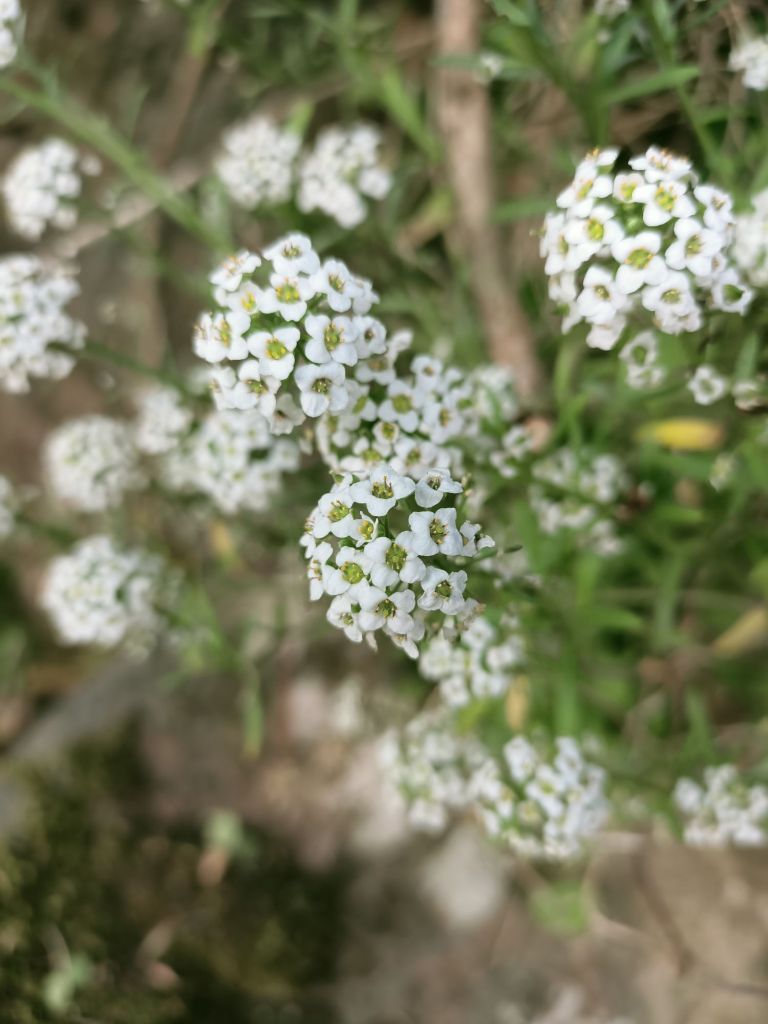

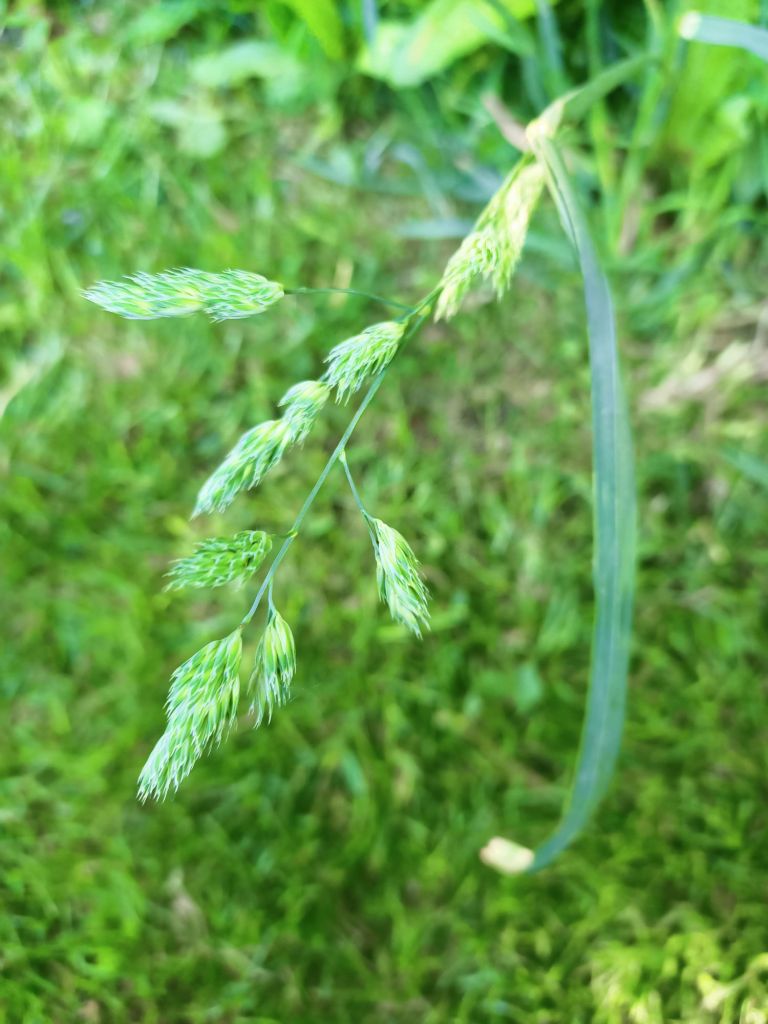
Orchard grass is an important food source for Gatekeeper and Meadow Brown butterfly caterpillars 🦋🦋🦋🦋 and many species of finches 🐦🐦🐦
But here’s another amazing fact; are you ready?
Honeybees 🐝🐝🐝🐝often favour the pollen of Orchard grass to many wildflowers 🌼🌺🌸 Wow, what a cool fact! 😲


Now here’s a thing: shouldn’t the apostrophe be placed as I have written it, meaning the joy of travellers (plural)? However, many books and websites write it as Traveller’s Joy, being the joy of just one traveller…hmm… Who is this traveller? 🤔
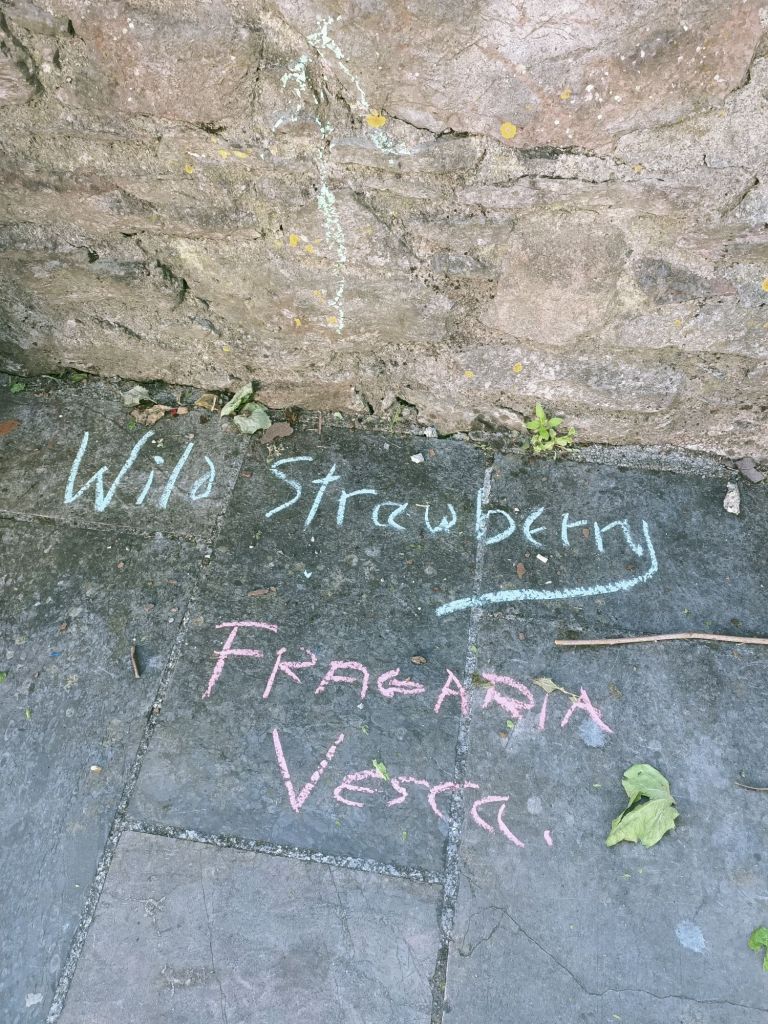
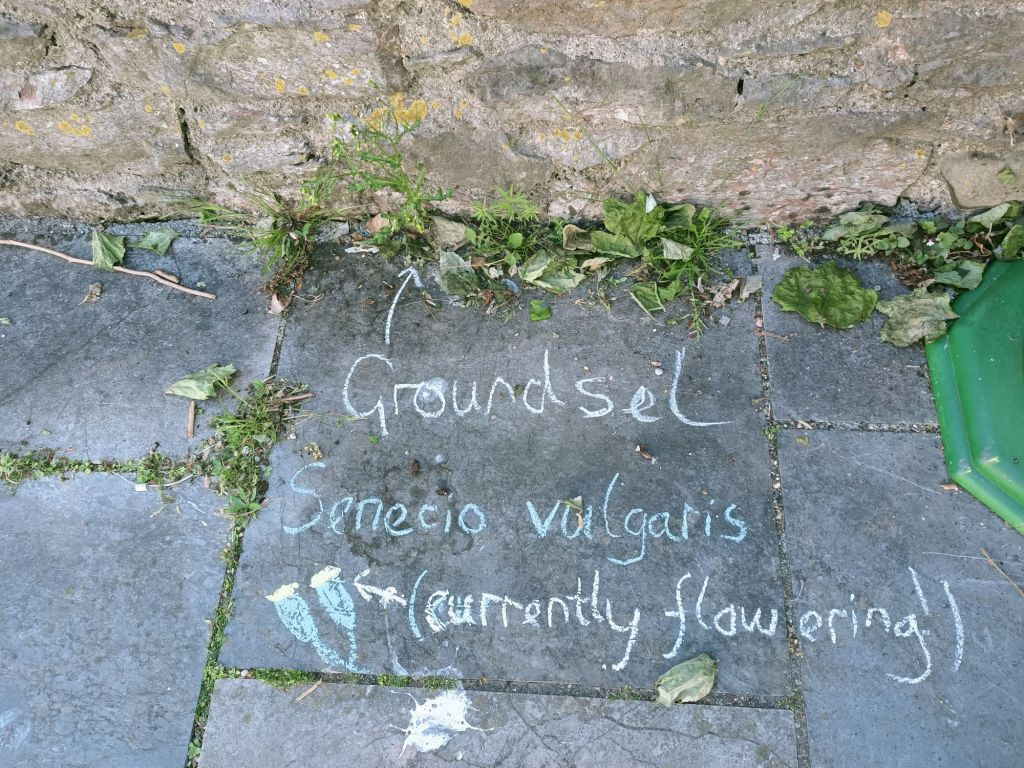
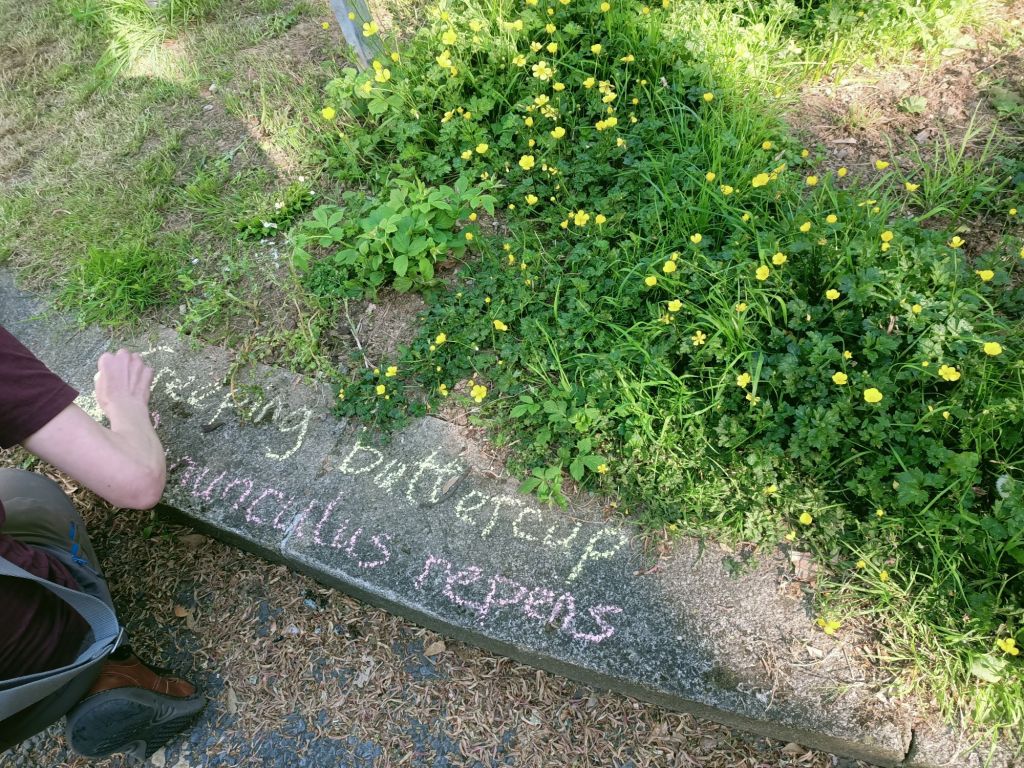
I hope you like and appreciate these little drawings our Rebels are creating for you. They are getting very arty you know 😉
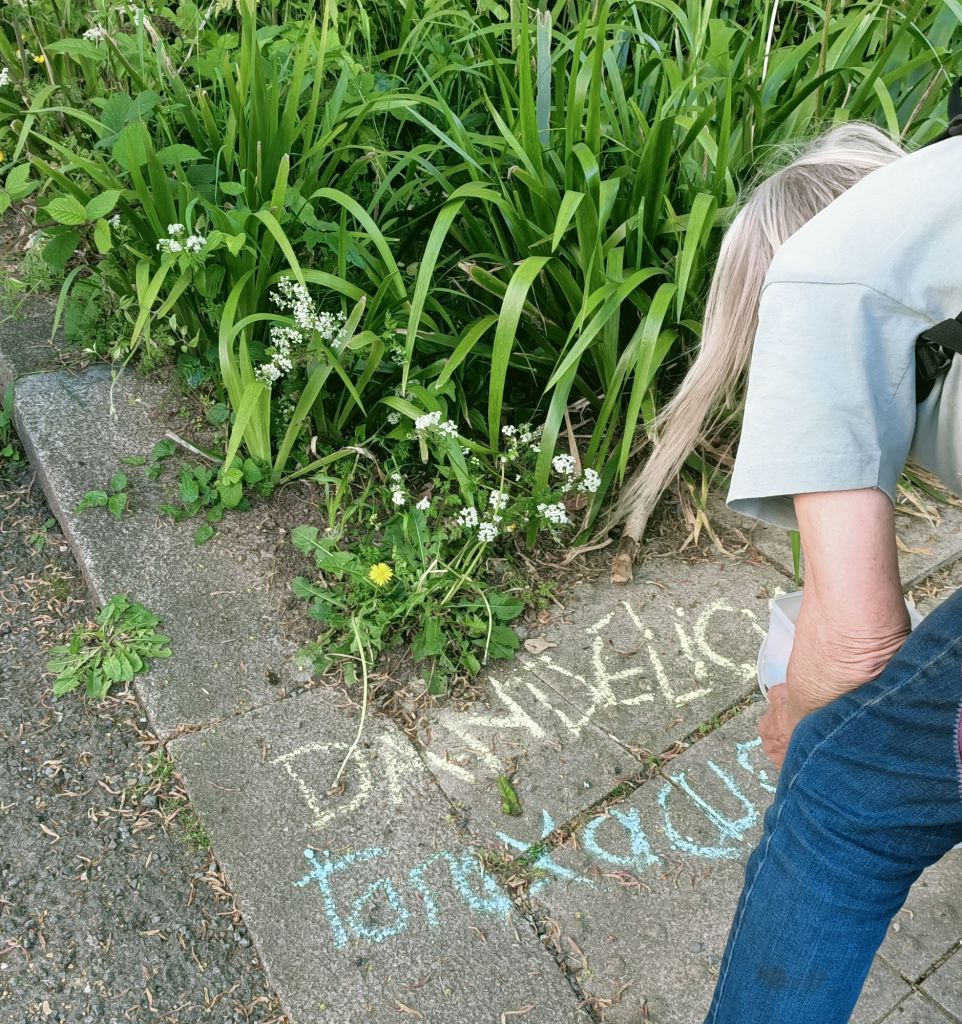
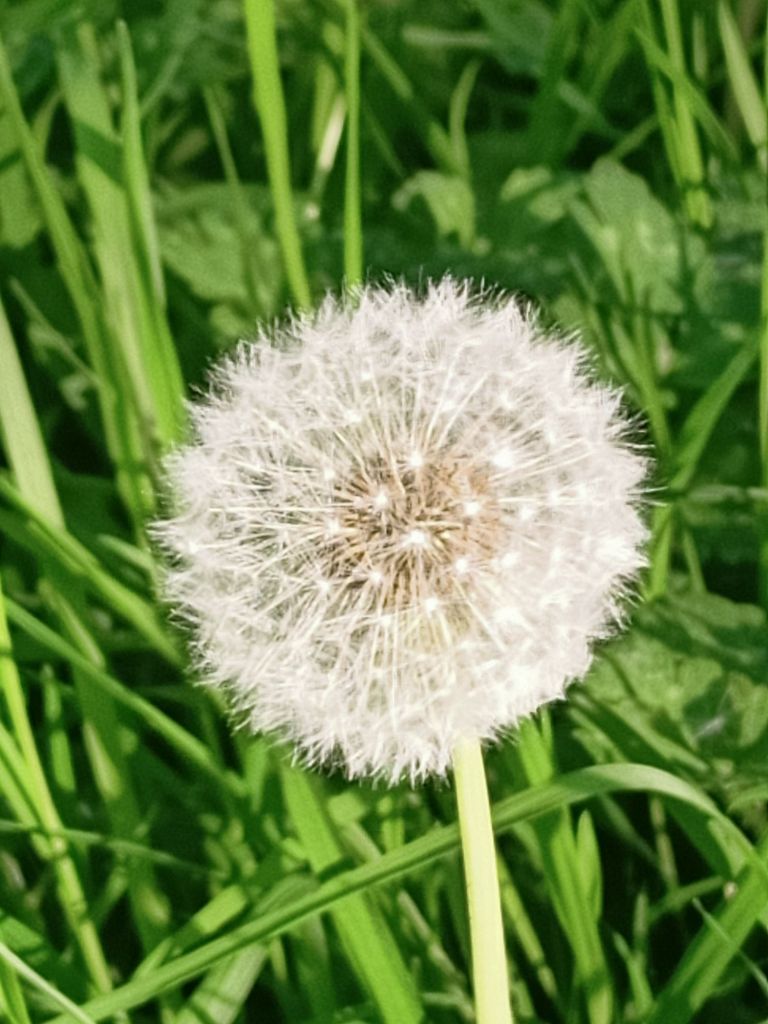
Did you know (I bet you don’t 🤣) that the word Taraxacum derives from the Arabic tarakhshaqūn, meaning “bitter herb”. However, the Persian 10th Century polymath, Al-Razi, used this same word in relation to dandelions, chicory, and endives, which suggests the word is originally Persian. He wrote “the tarakhshaqūn is like chicory, but more efficacious”. (Info from: Wikipedia)
Oh, what a great word – efficacious! I think we should use it more often, don’t you? 😉
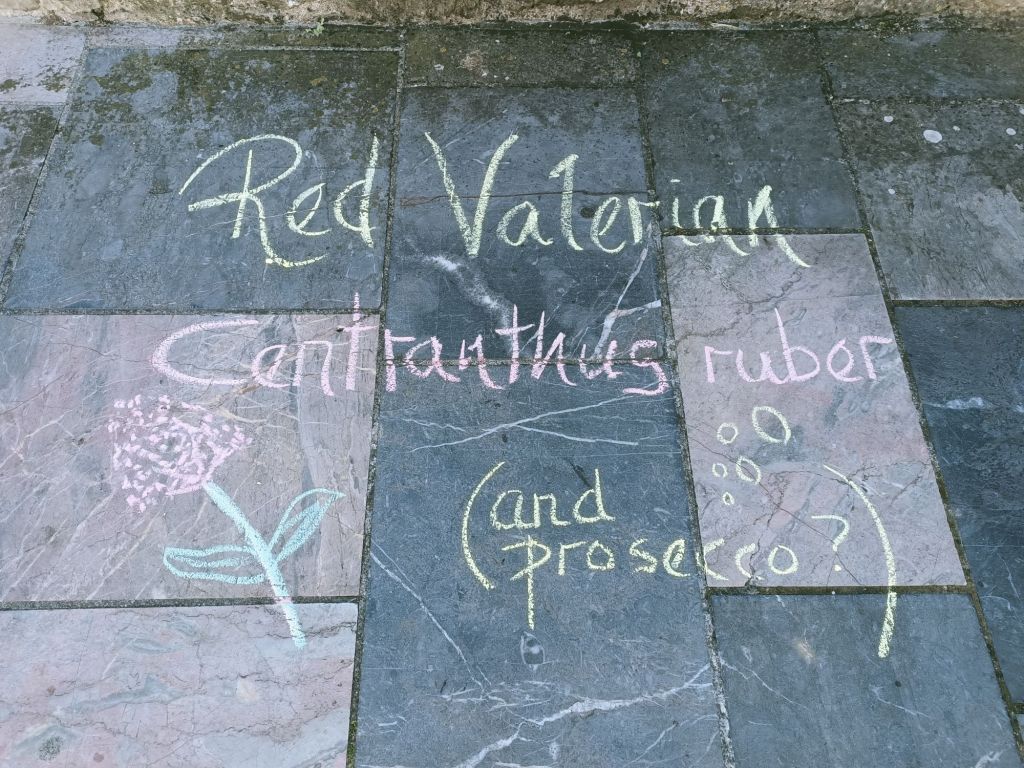
Introduced before 1600 and naturalised, this plant is really important to many pollinators: bees, butterflies and moths.
Next photo shows the flower…
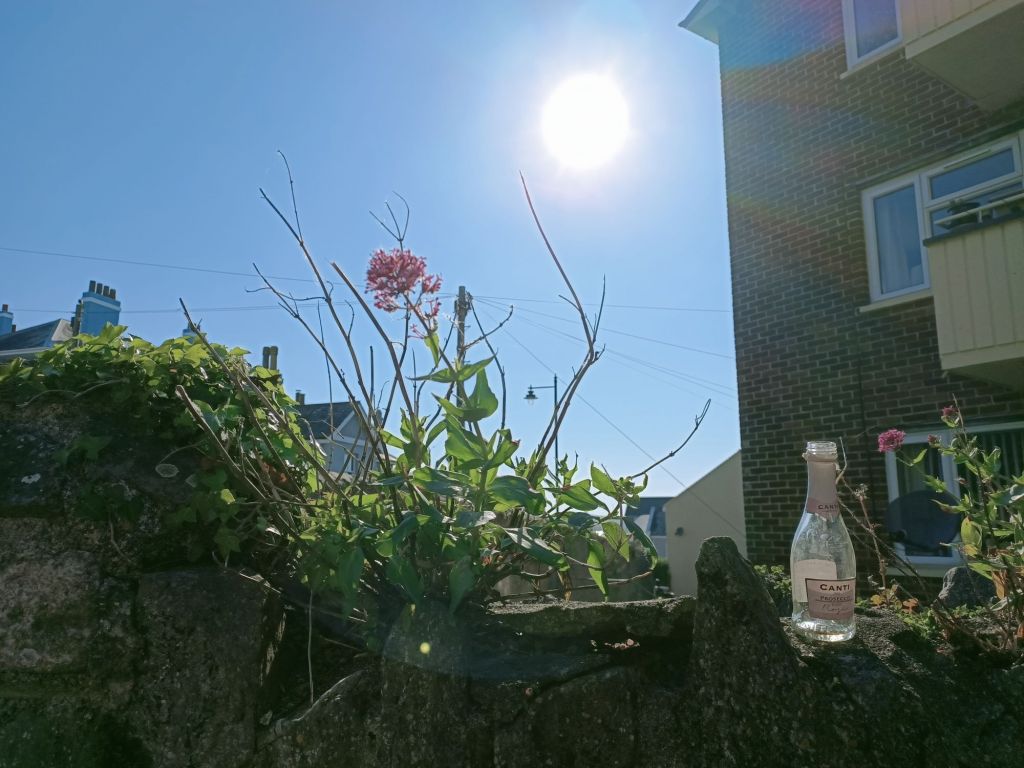
Named after a village in the province of Trieste, in Italy, Prosecco is a drink…Hang on! This isn’t a wild plant, it’s not even the drink! It is, in fact, the bottle left as litter!
Who’s been irresponsible enough to leave an empty bottle on a wall, which could easily fall, break and cause a health and safety risk to walkers and, particularly, dogs’ paws? Grr!
Did you know in 2020 the UK generated 191 million tonnes of waste (www.gov.uk) but in 2024 that figure rose to 215 million tonnes (www.wastedirect.co.uk)?
That’s a shocking statistic, particularly with the rise of litter pickers, trying to raise awareness! Let’s keep our streets tidy everyone, reduce packaging, and pass the message on. 👍Thanks for reading and sharing 🙂
 #RebelBotanists