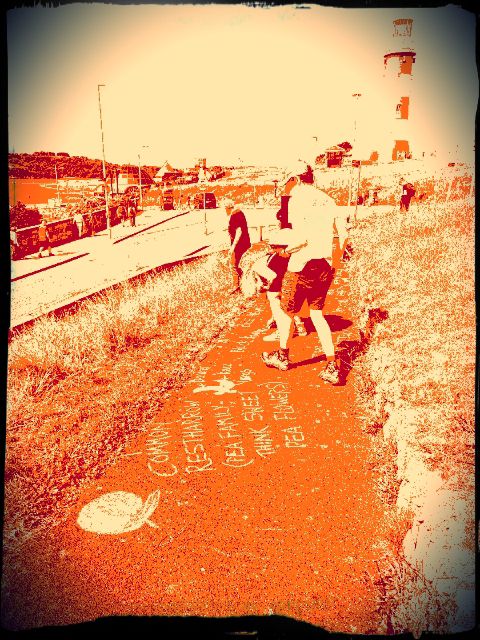
Whilst walking and chalking on Plymouth’s Hoe, we met a lovely French lady and her two young daughters visiting from Paris. They joined in, chalking flowers on the path, and commended our work for raising attention to urban wildflowers, which are key to the survival of pollinators in cities.

We explained how this consciousness raising supports the non-use/ banning of chemical pesticides, which ultimately destroys the biodiversity we are highlighting. She then informed us of a bombshell: the “Duplomb law”.
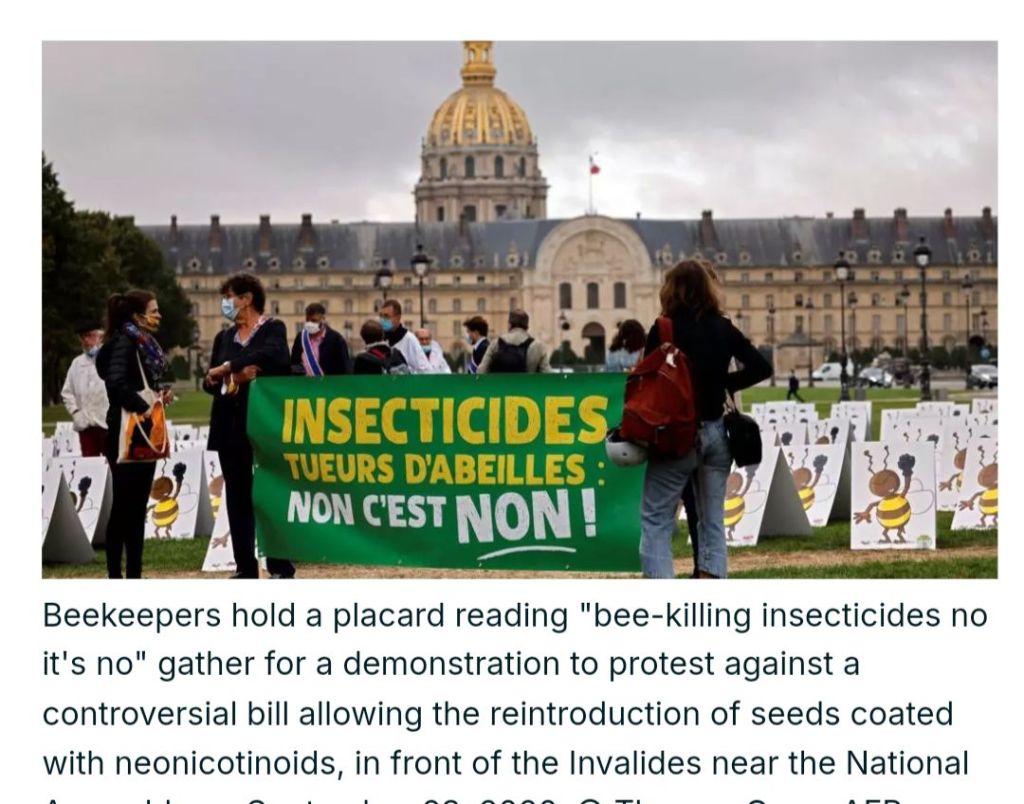
The “Duplomb law” is being hotly debated now, with over 2 million people having signed a petition against it. This new law is overturning a previously banned toxic pesticide, acetamiprid, to be used across the country in the agribusiness. Many “Michelin-starred chefs, school canteen cooks, bistro owners and farmer-restaurateur collectives have spoken out” against this toxic from the “neonicotinoid family saying: “We restaurateurs are in this business to feed, not to poison.” https://www.france24.com/en/france/20250728-feed-not-to-poison-french-chefs-push-back-against-pesticide-law-duplomb
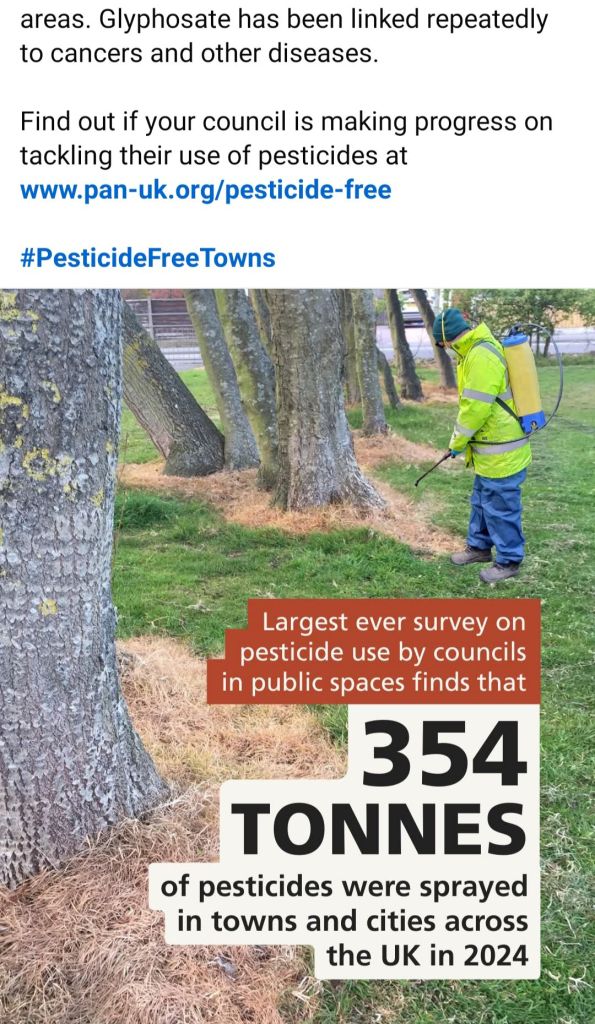
“France is the leading agricultural power in Europe and is committed to offering healthy, sustainable and traceable food”, states the https://www.businessfrance.fr website, so the ruling on this will have far reaching implications and possibly for the UK also. By relaxing rules and regulations about the standards of food being produced and sold, in favour of economic growth (greed), in one country will certainly have a knock-on effect in other countries. In the UK, we are currently pushing for councils to ban the use and sale of pesticides, whilst some have done so others, clearly, haven’t.
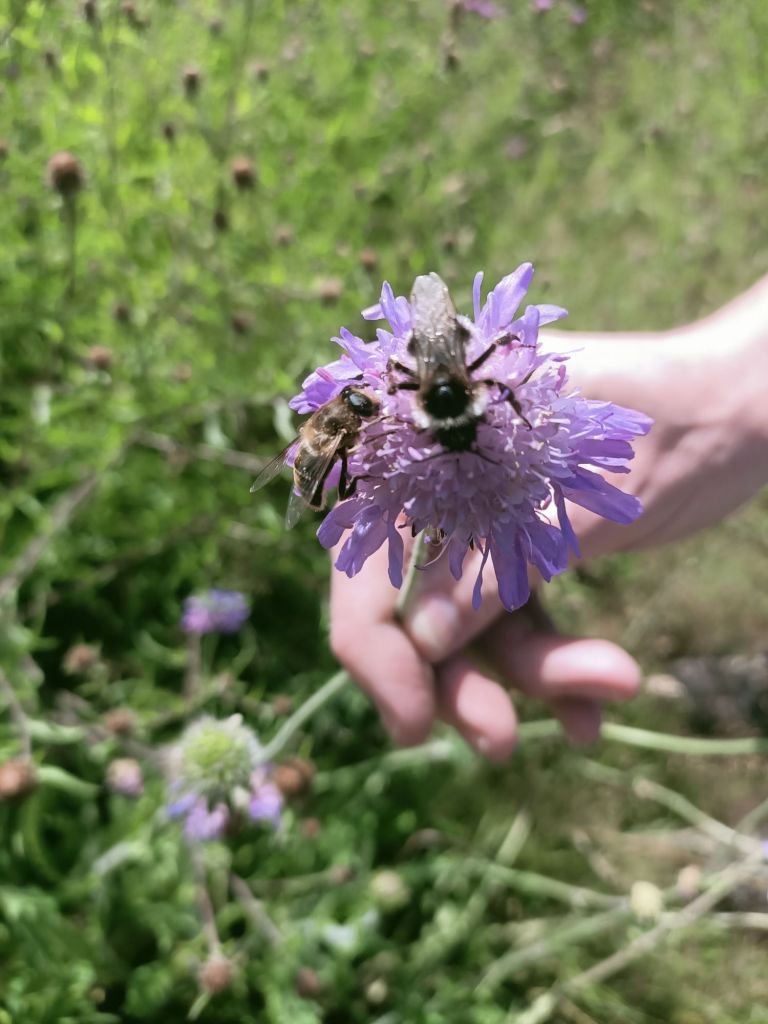
Pollinator populations around the world are declining at an alarming rate over recent decades (Goulson et al., 2015), and “disappearing habitats and use of pesticides are driving the loss of pollinator species around the world”. https://www.cam.ac.uk/stories/pollinatorsriskindex

We’ve known this since the 1960s with Rachel Carson’s research and subsequent book: “Silent spring is acknowledged as the ‘effective beginning’ of ‘toxic discourse’, and as a pivotal contribution to emergent modern environmentalism” https://pmc.ncbi.nlm.nih.gov/articles/PMC5554789/
This French lady was clearly distraught by this threat. She said: “I worry for my children; what kind of world will there be for them…if this goes ahead I will have to buy bio (organic) food… this law will effect all of biodiversity.”
So, by the 7th August share this post with everyone you know, especially anyone who lives in France or has any connection with food production and cooking, to send a message to President Macron at: https://www.elysee.fr/en/contact/
Please feel free to copy and paste any part of this blog in your message to President Macron. ✊
Vive la biodiversité 🦋🌿🐦🌼🐝🐛🪲🪻🪳🌷🦗🦋🐝🌳🌼
 #RebelBotanists
Hello , I met a couple of members of your movement a few months ago at an event at cafe Momus and we had a chat about the potential of doing a walk with some of the people I work with through the charity improving lives Plymouth. It would be so good to go this as I think it would really appeal and get a great learning experience for them. Is this still possible and if so could we fix a date in early autumn ? Best wishes , Saffron
LikeLike
Hi Saffron
Sorry for delay in getting back to you.
Yes, we could organise this – remind me please, is your charity supporting mental health? Is there an area you’d prefer to walk? Would Beaumont Park be a good option for you?
I’ll check our diary for a Friday perhaps in early October, if that suits you.
Best wishes, Elizabeth 🌼
LikeLike
Hi Saffron
Yes, I remember talking to you. We would be happy to do this. October would be good as we are really busy up until then. Is that good for you? Any idea where you’d like to walk? How many people do you anticipate coming along?
Best wishes
Elizabeth
LikeLike