
If you think tree huggers are ‘hippy- dippy time-wasters’ think again! This term is often, and incorrectly, used as a flippant pejorative, but it stems from a story of stunning defiance and vicious bloodshed.
The true etymology of this phrase comes from the courageous souls who laid down their lives to save the lives of others: the living, breathing and life-supporting beings that are trees.
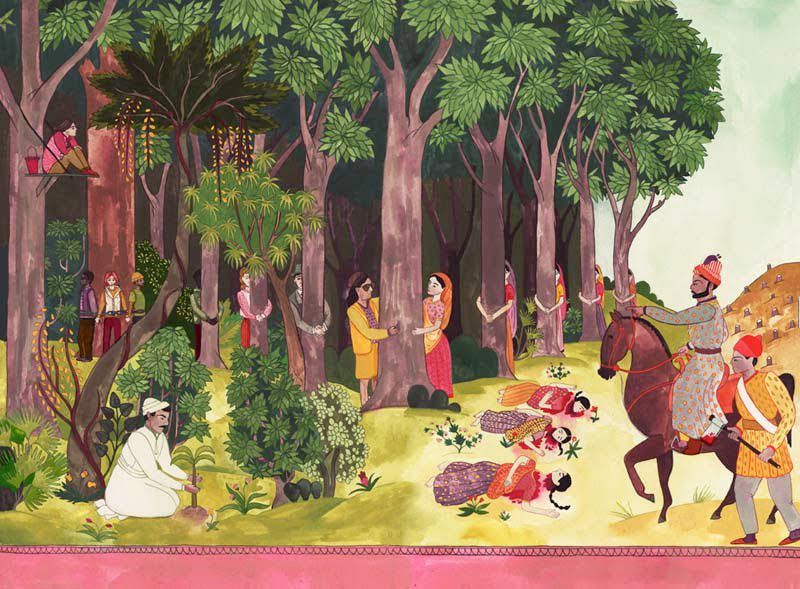
In 1730, 363 Bishnois people in India were brutally killed while trying to protect the trees, in their village, from being turned into the raw material for building a palace. They literally clung to the trees while being slaughtered by the soldiers.

Amrita Devi and her 3 daughters were the first to die, by being beheaded, by the soldiers, sent by the King of Jodhpur to cut down the Khejri trees with their axes. Amrita ran to stop the felling when she realised what was happening. She hugged one of the trees to protect it from the blows and begged them to stop, but the soldiers took to violence and struck her with an axe. When her three daughters witnessed the brutality, they rushed and hugged the trees as well and were also killed. Word spread quickly around the village of Khejarli and others joined in, hugging trees in a nonviolent protest. The soldiers continued to mercilessly kill the people, both young and old: a horrific massacre of caring people who died protecting their beloved sacred tree.
The Bishnois faith respects the sanctity of all forms of life and the non-killing of animals and felling of green trees.
The Khejri tree (Prosopis cineraria) has adapted to withstand both frost and drought, and survives both high and low temperatures. It is known to improve soil fertility by supporting nitrate retention in soil and contributes greatly to the micro-flora in desert environments. A large and well-known example of the species is the Tree of Life in Bahrain: approximately 400 years old and growing in a desert devoid of any obvious sources of water. Living trees are far more valuable than dead buildings, don’t you think?
The brave sacrifice of Amrita Devi and the villagers would have ripple effects 240 years later, in the formation of India’s most vibrant environmental movements called the Chipko Andolan, in the 1970s.
Chipko translates as ‘hugging’ and they represent a non-violent forest conservation movement, opposed to logging and deforestation.
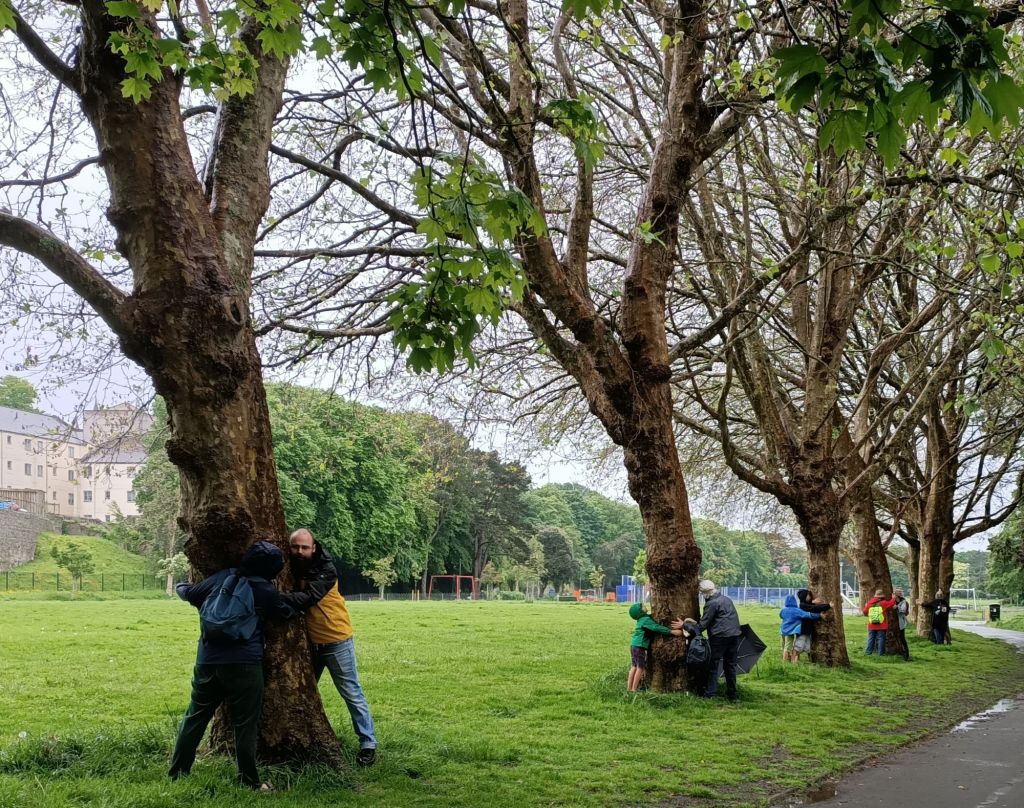
Today, in Plymouth, we are supporting the Plymouth Tree People in this year’s festival. They are a volunteer run charity who, for 20 years, have been caring for, and planting, trees in Plymouth. They rightly state that trees “provide us with shade and shelter and a habitat for wildlife. Trees improve air quality, reduce crime and benefit our mental health”.
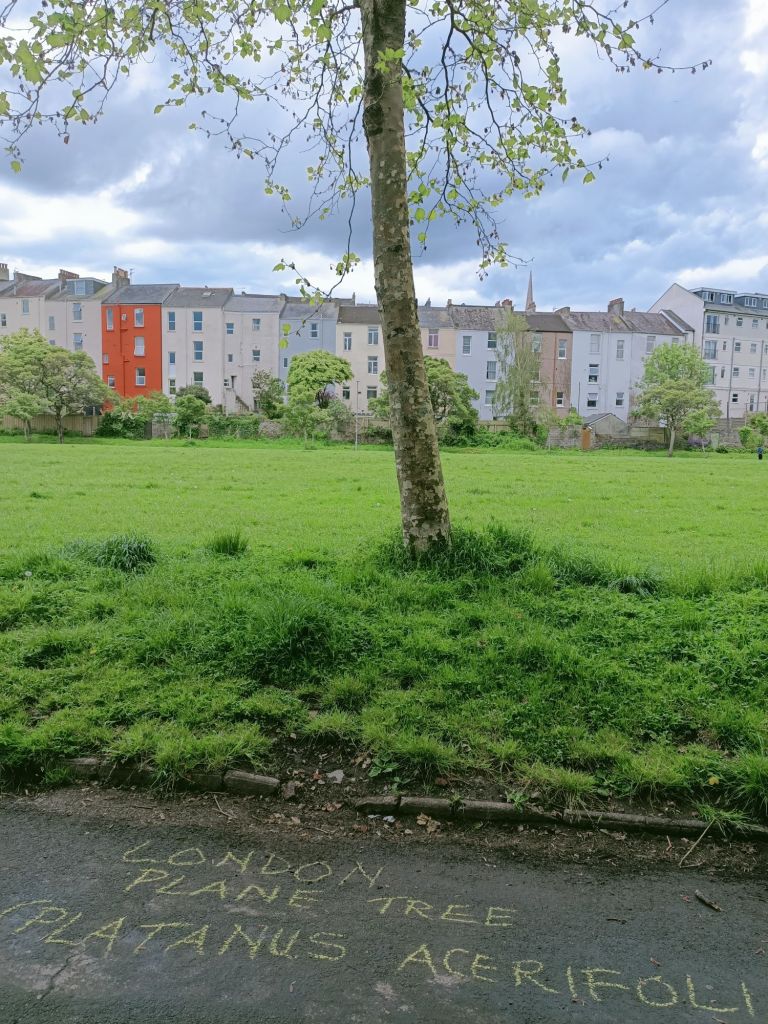
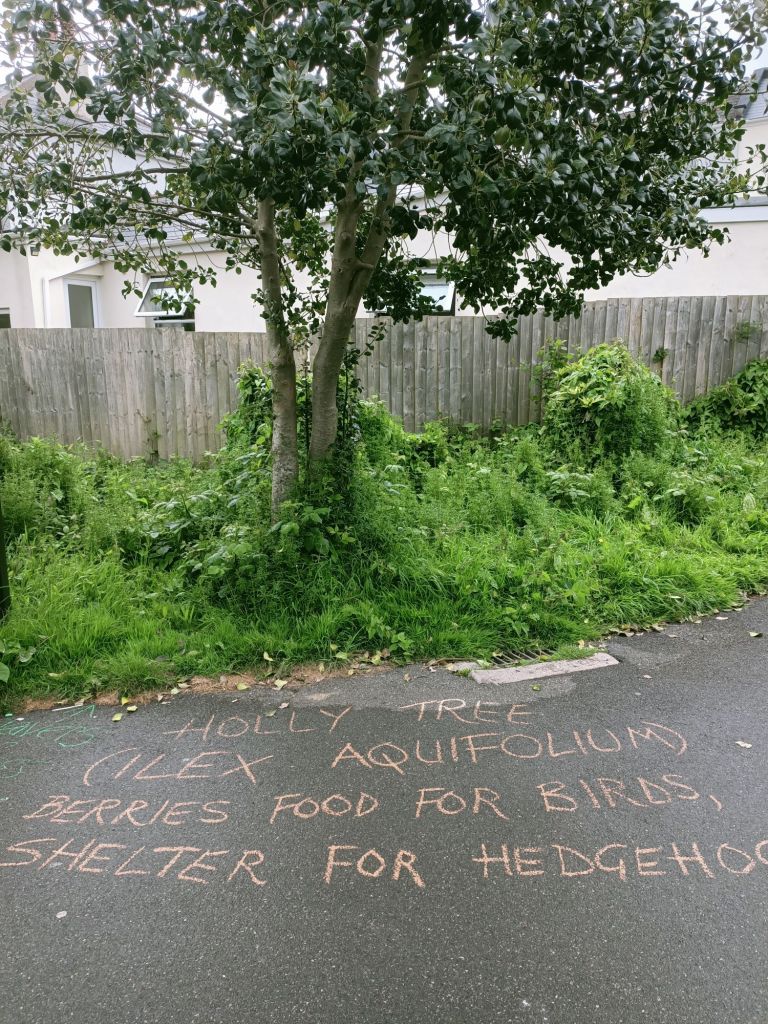
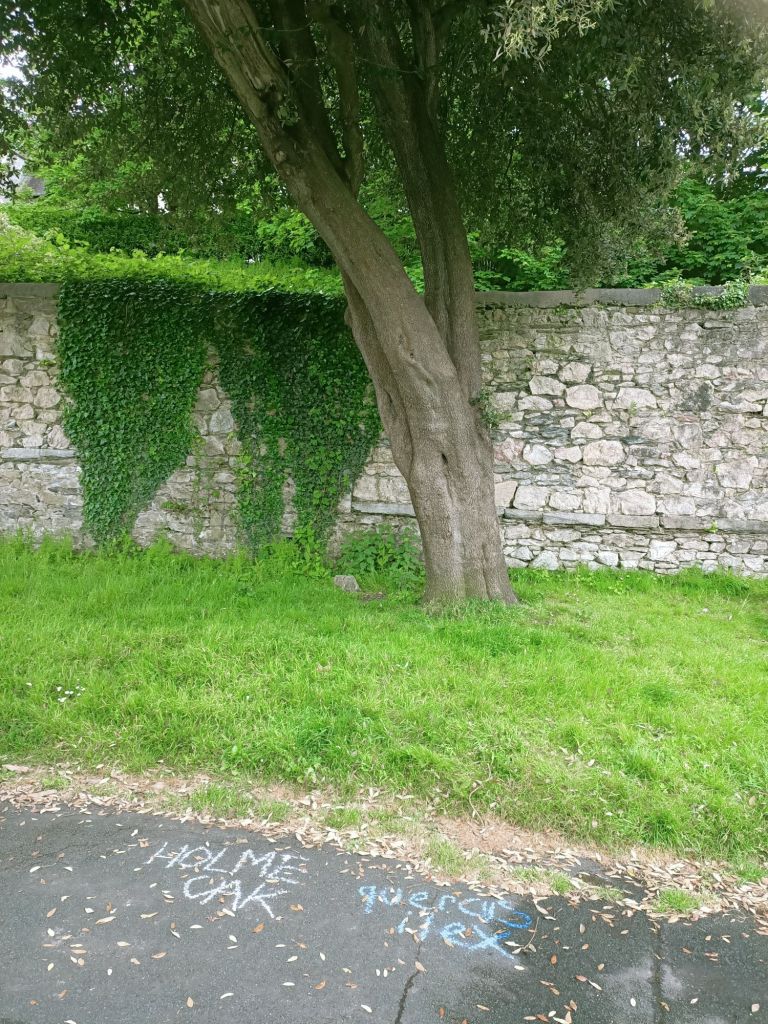
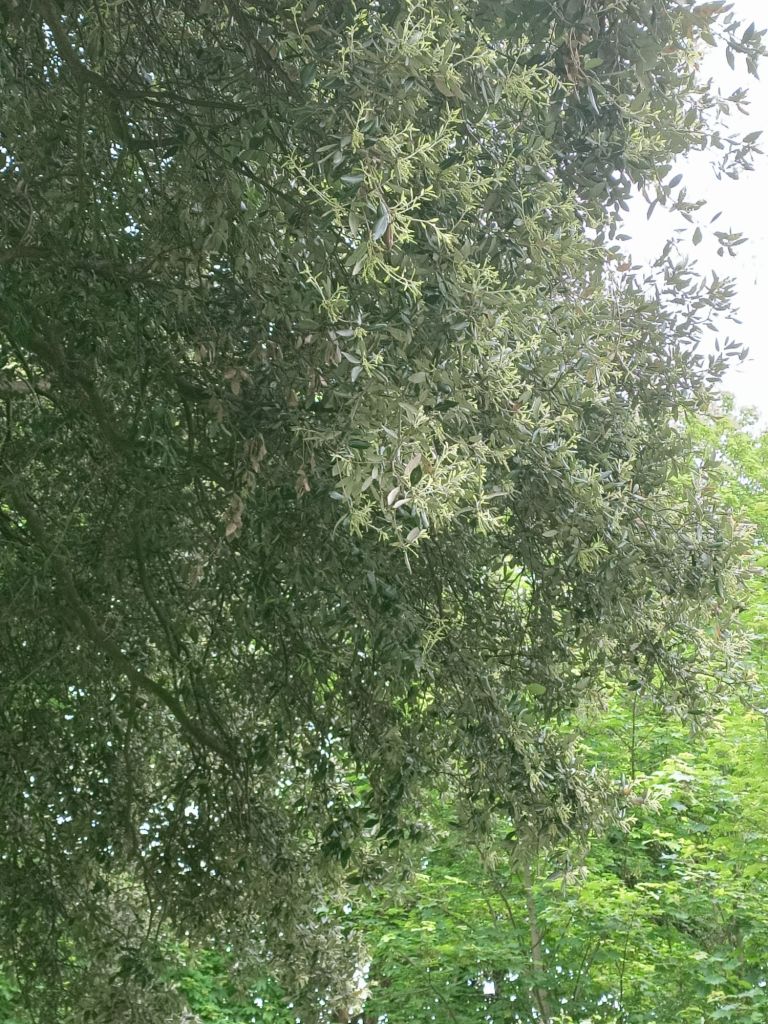


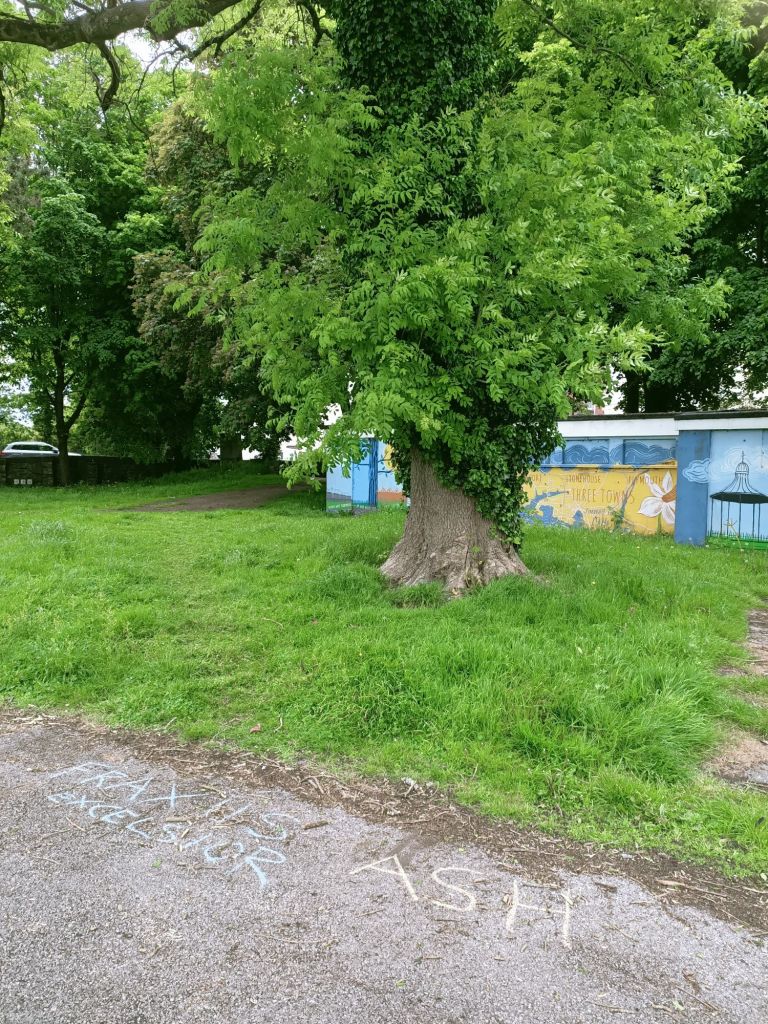
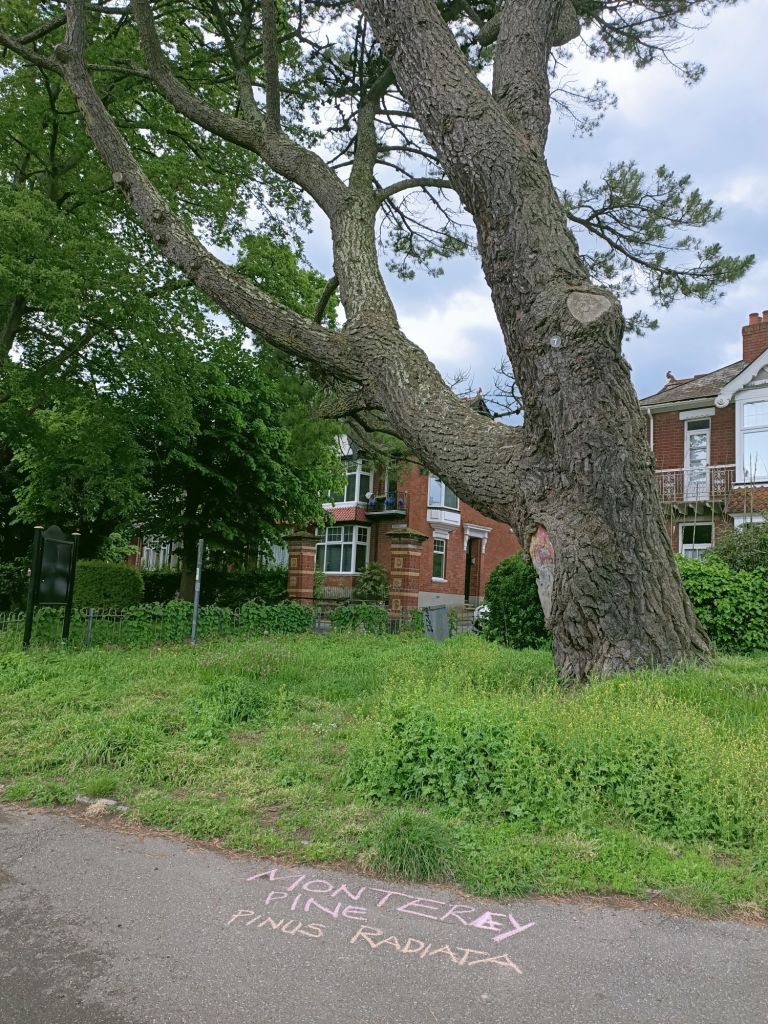
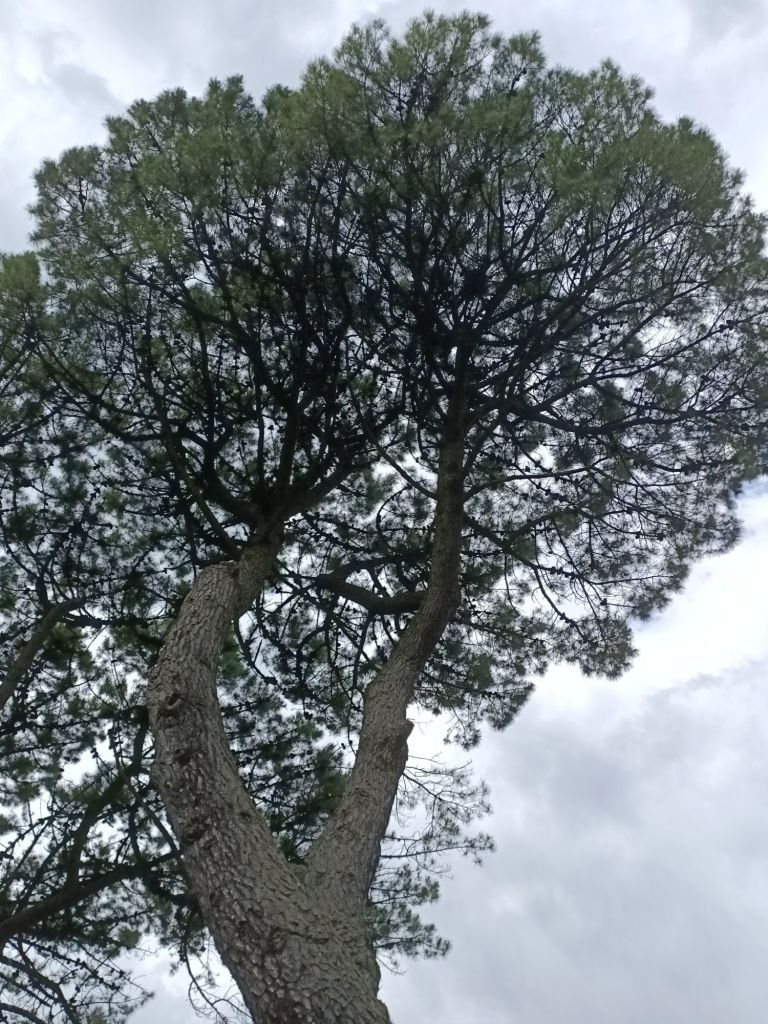
This city is also home to STRAW Plymouth, (Save the TRees of Armada Way) who clearly could be a further ripple from the Bishnois legacy. They set up in 2023 and attempted to save 117 trees (which included 37 different species) from the proverbial chop by the local council for ‘urban development’. Fortunately for them, the tree slayers didn’t behead them, but the council’s “military-style night time felling operation on March 14th 2023”, against these non-violent activists, resulted in the loss of many of the trees, despite their brave battle and 17,000 signature petition. However, they did save approximately 20 trees and they are continuing to protect them through legal action in the high courts.
Despite the fact that humans know the essential value of trees to our very existence, e.g. shelter, temperature reduction, water control, wildlife habitat and food sources, pollution control and oxygen-generating) it seems activists still have to put their time, dedication and lives on the line to saving them, against the money-hungry exploiters across the globe. It’s time to make Ecocide a recognised law across the world to protect ALL living beings, not just human-centric existence.
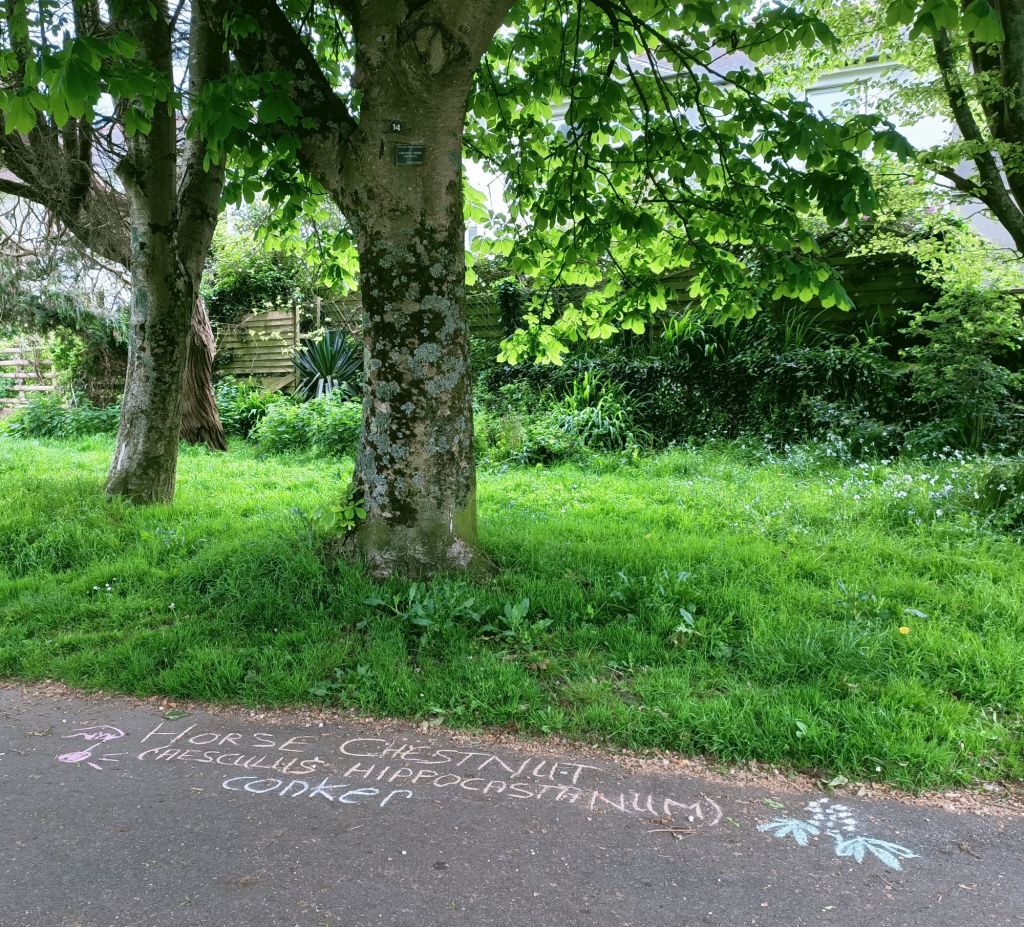
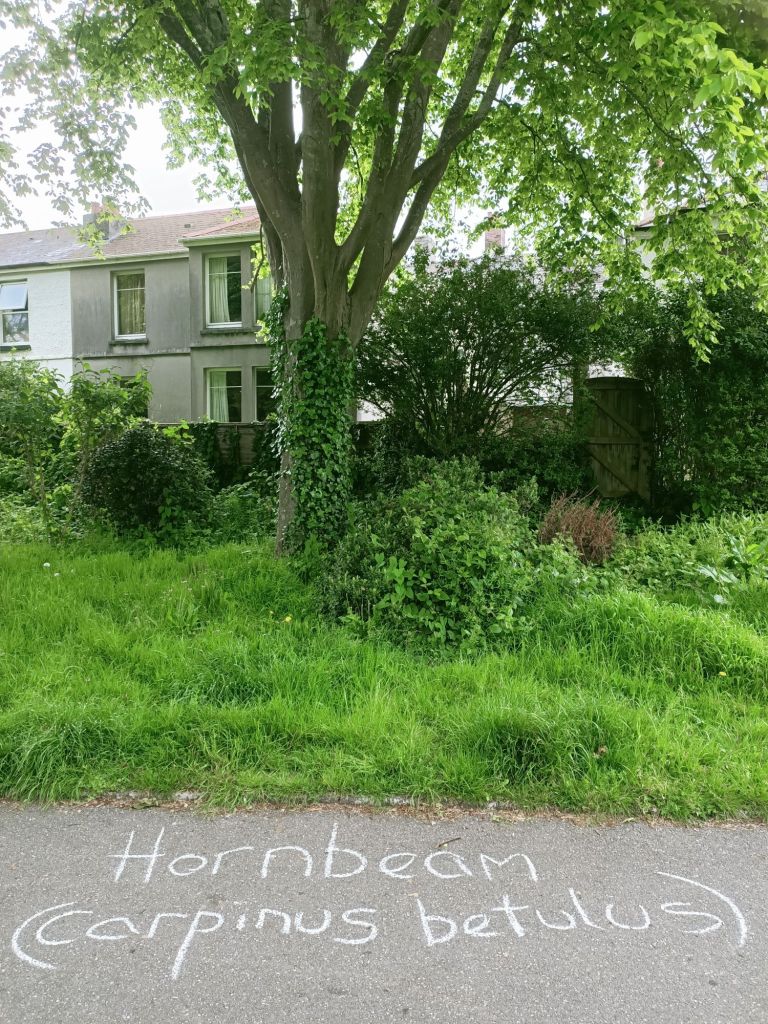
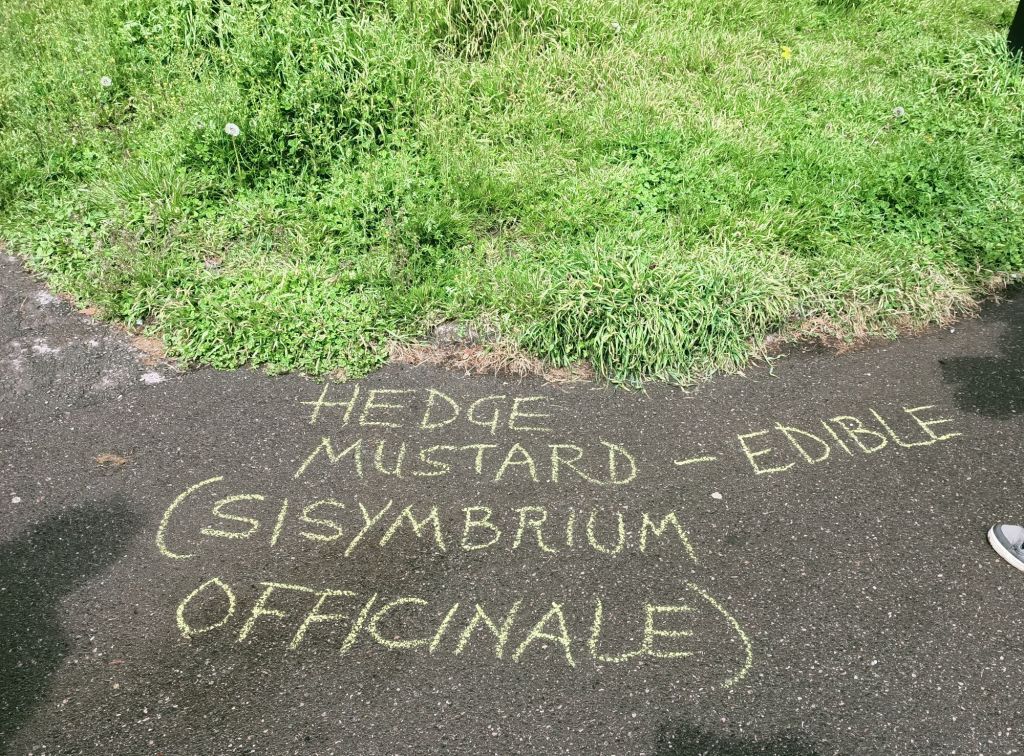
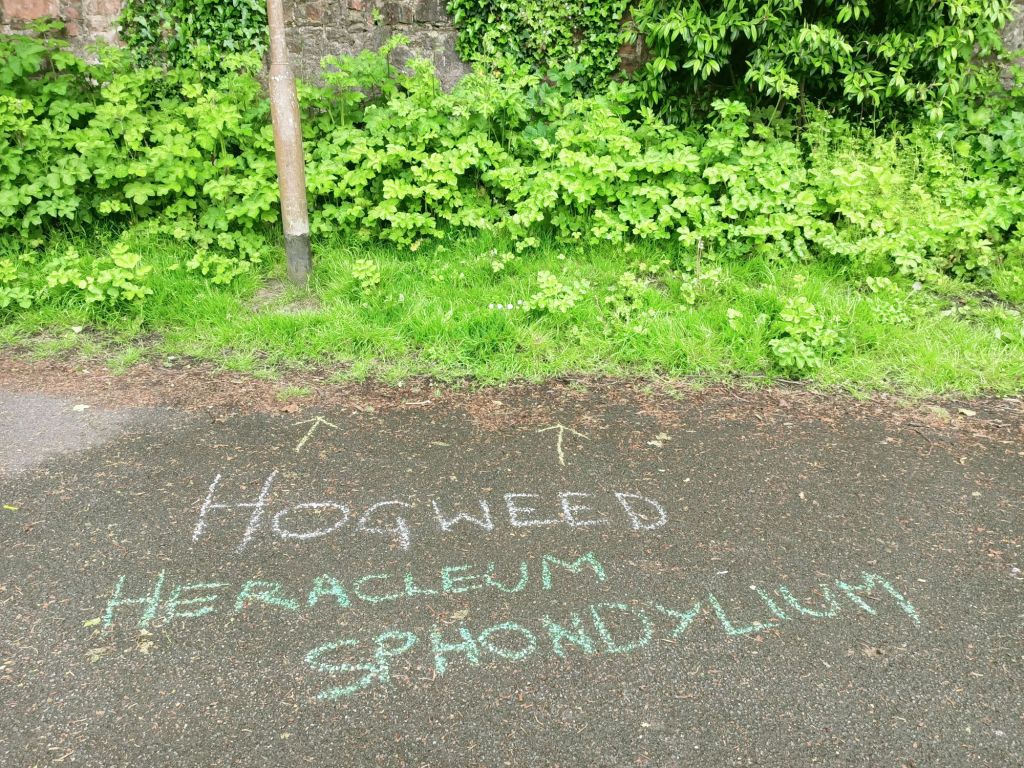
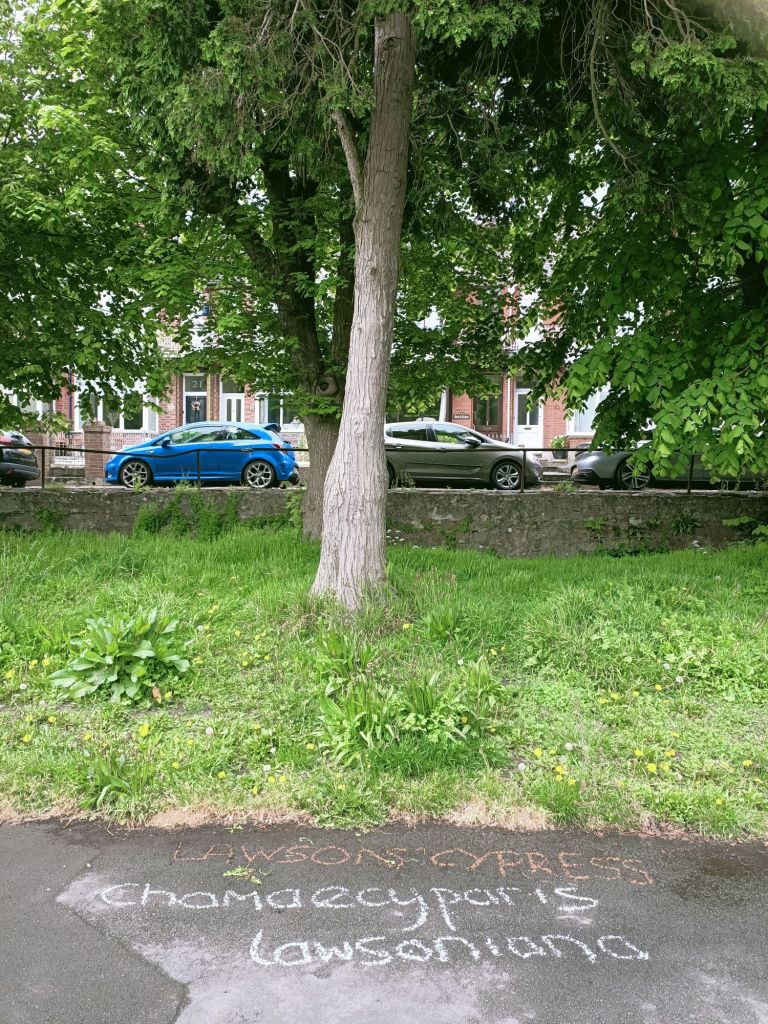

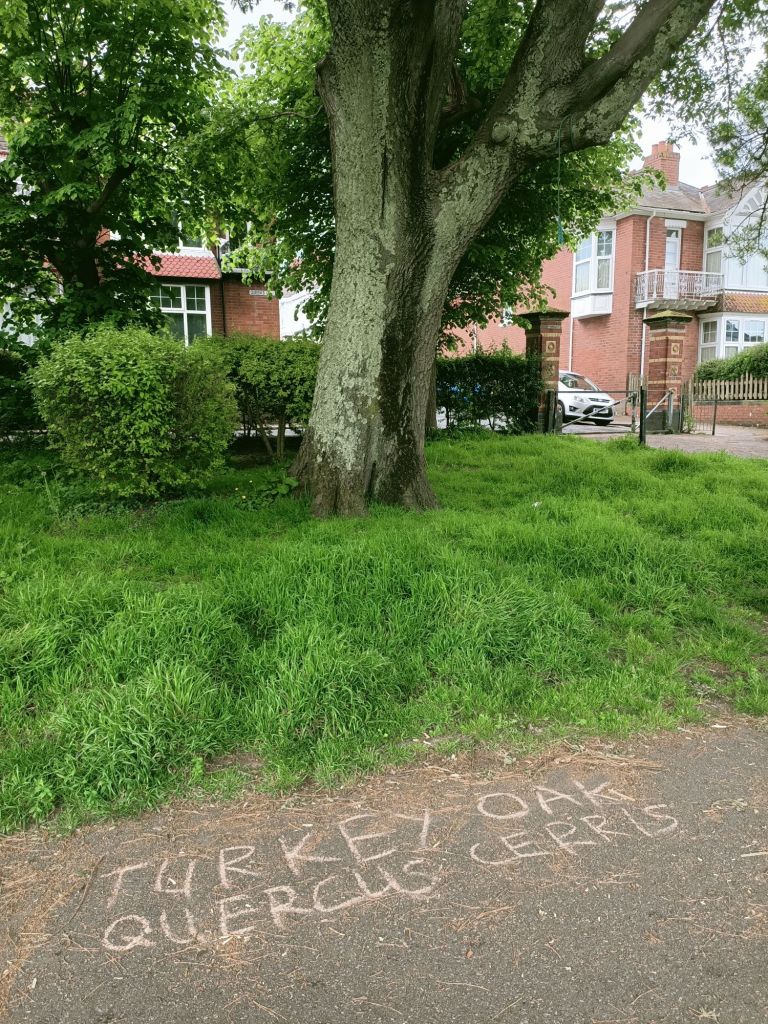


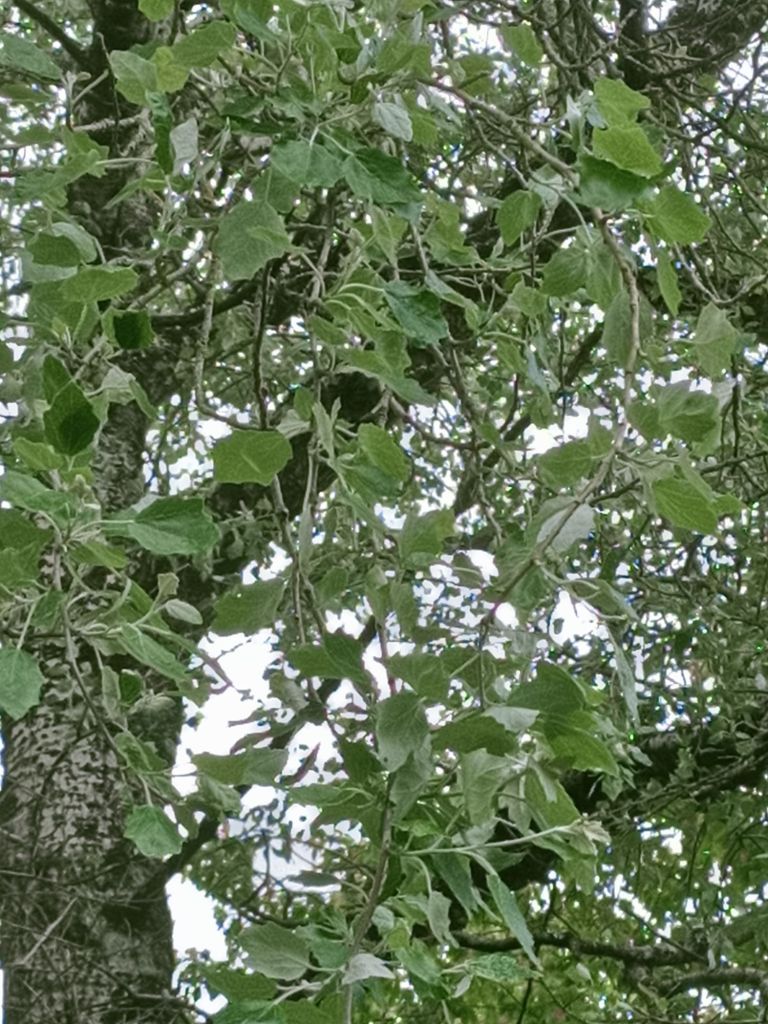


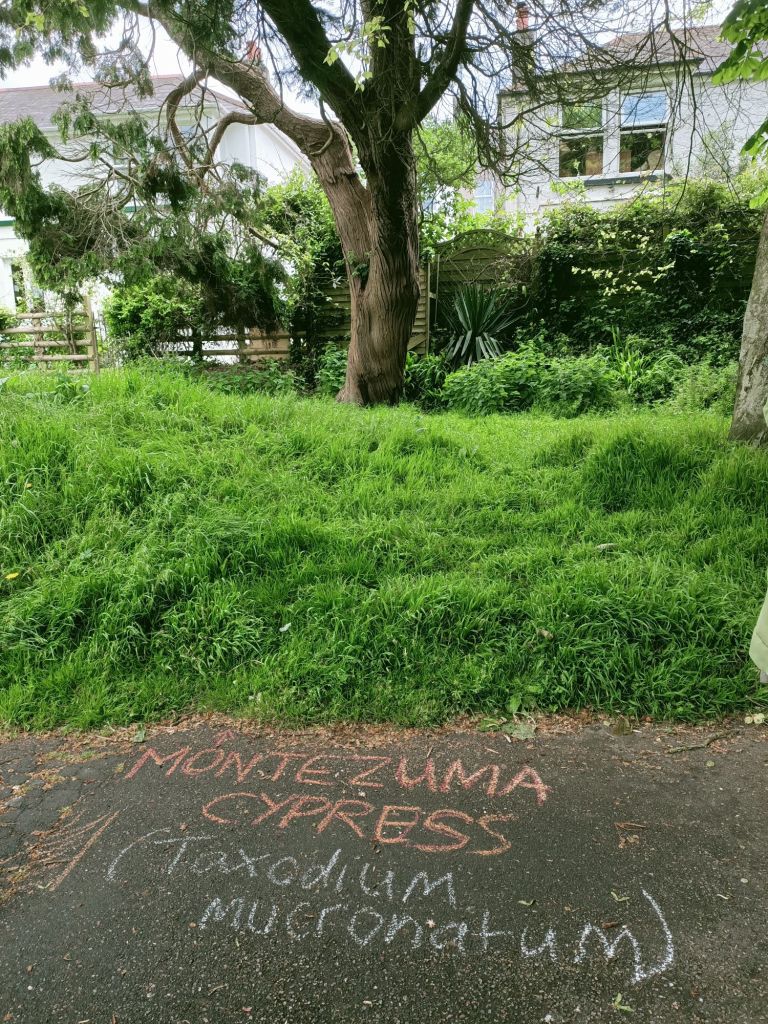
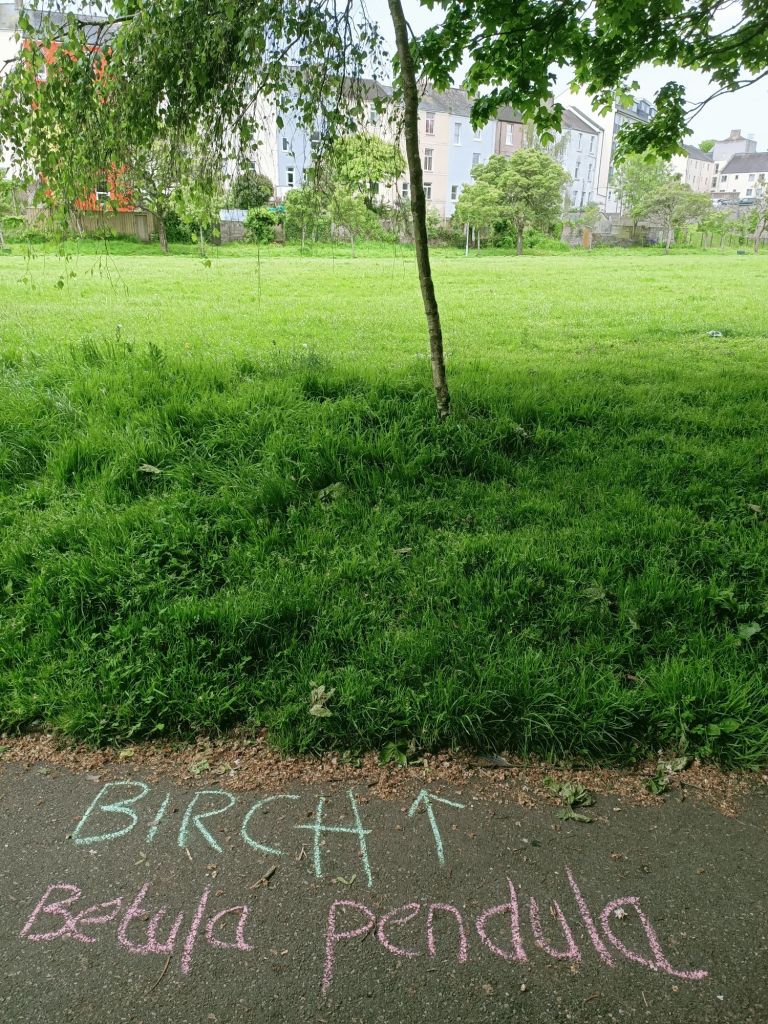
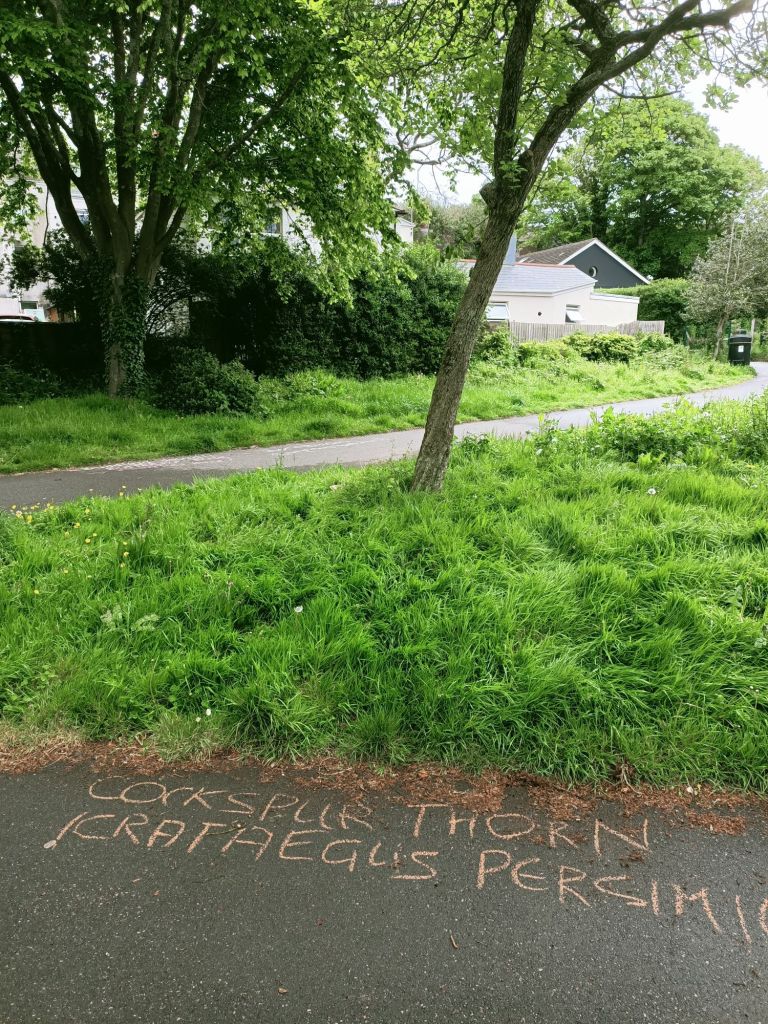
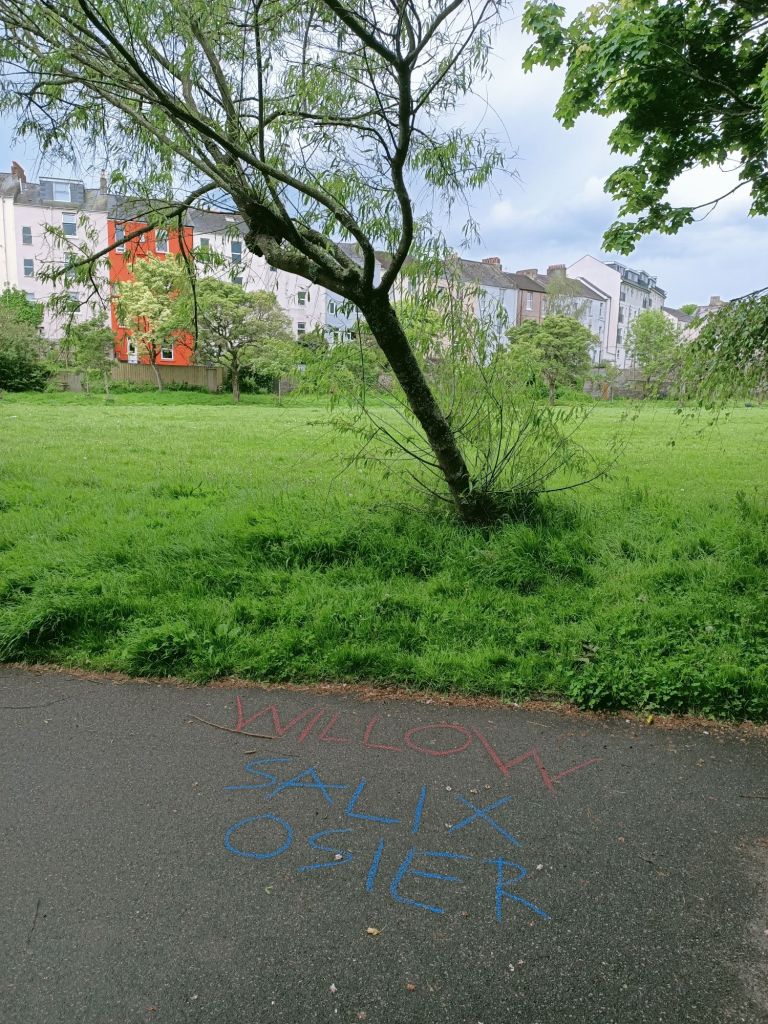
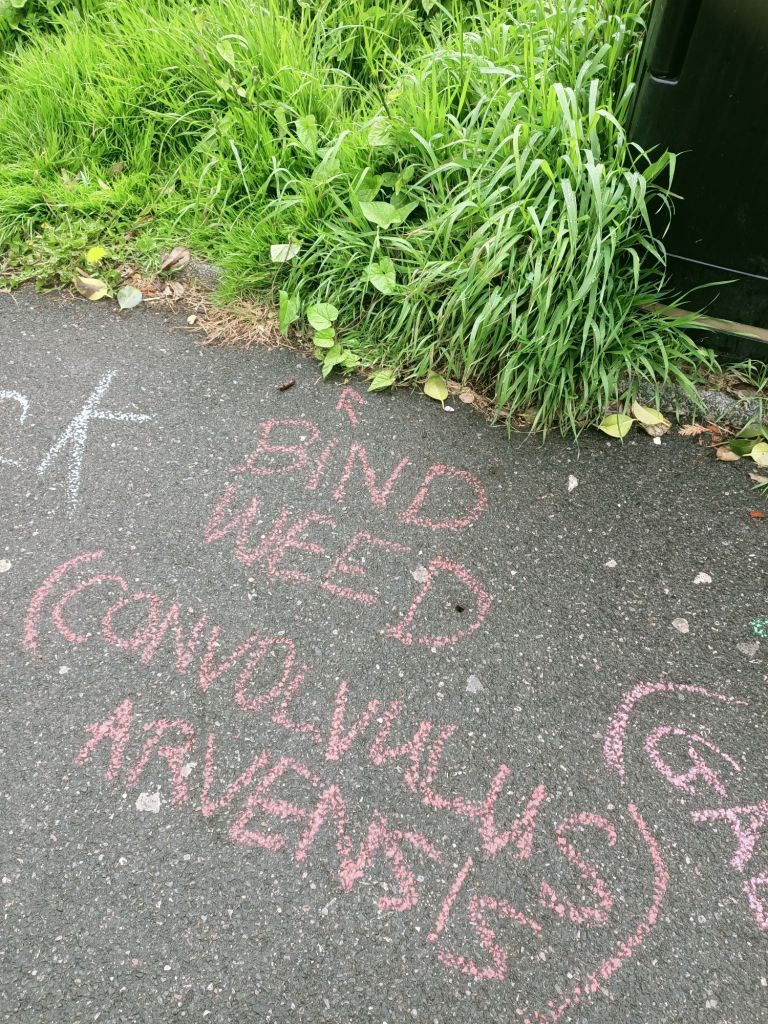
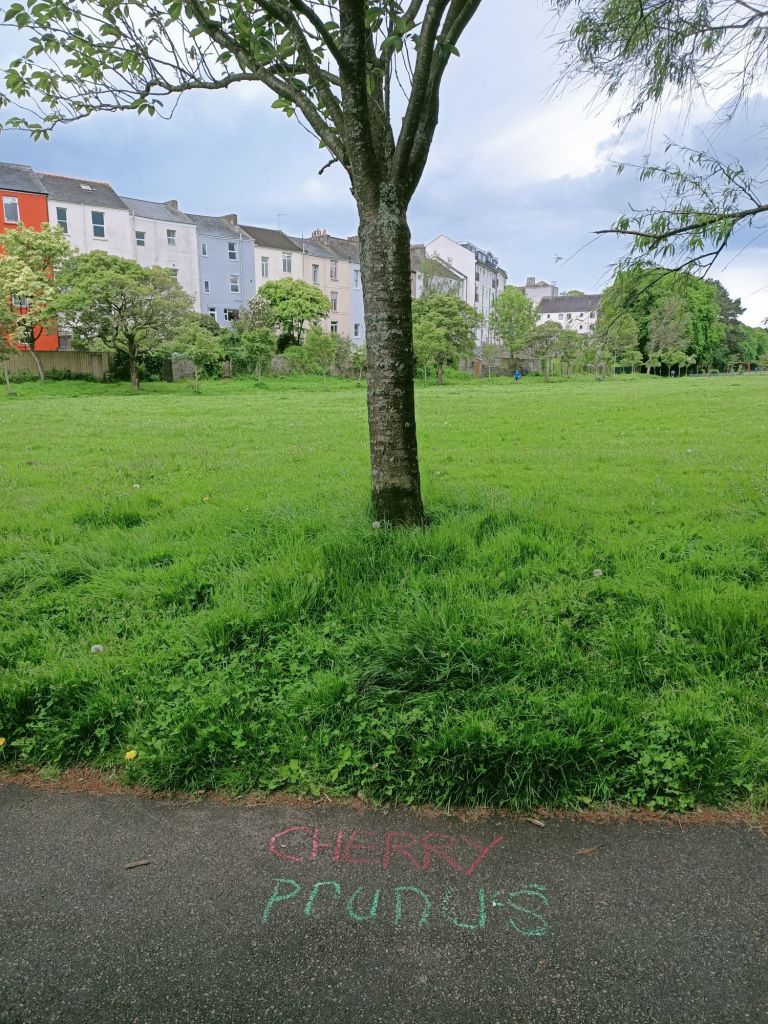


So, are you brave enough to be a tree hugger and protect what nature provides for free?
Thank for reading – I hope you enjoyed it 🙂
Information sources:
https://www.abc.net.au/news/science/2022-08-07/tree-hugger-bishnoi-chipko-defiance-deep-historical-roots/101247020
https://www.earthisland.org
https://en.m.wikipedia.org › wiki › Ecocide
 #RebelBotanists
Hi there,
thanks for this – all great news to read.
I am unlikely to be in Bristol any time soon, but if any of the campaigners are running fundraiser events, I am happy to send a couple of copies of my book, Twyford Rising, land & resistance, for raffling/selling. No charge if you are using to raise funds.
The book is the story of the first of the UK anti-road protests of the 1990s and features a lot of tree hugging!
Twyford Rising | Now a book that tells the story of an environmental protest that changed history.https://twyfordrising.org/
Helen
LikeLike
Hi Helen
That’s an extremely kind offer. If you sent us two books, we would use one as part of our mini lending library to borrow freely, and the other as a prize for a botany competition. We would also post up your kind offer and show everyone the book you are contributing, which sounds really interesting. Please email us at rebelbotanists@gmail.com so we can exchange details. Best wishes, Rebel Botanists 🙂🌼
LikeLike