
Pasley Street (pronounced paisley) is a very long urban road in the heart of Stoke, Plymouth. Join us on our walk and chalk, with Sophie from Green Communities, to identify wildlife on the walls and in the cracks of pavements, serving as valuable green corridors for nature. 🚶♂️🚶♀️🚶Here we go 🙂…
Firedot crustose lichens can be orange, yellow or brown and appear like tiny dots on the surface. These dots are the spore-bearing structures (apothecia).
Sunburst lichens (Xanthoria) like Firedot are often found on sunny walls and rocks. They have a circular, foliose design with tiny branching lobes, which often become obscured as they amalgamate into larger forms and can be easily mistaken for a crustose lichen.
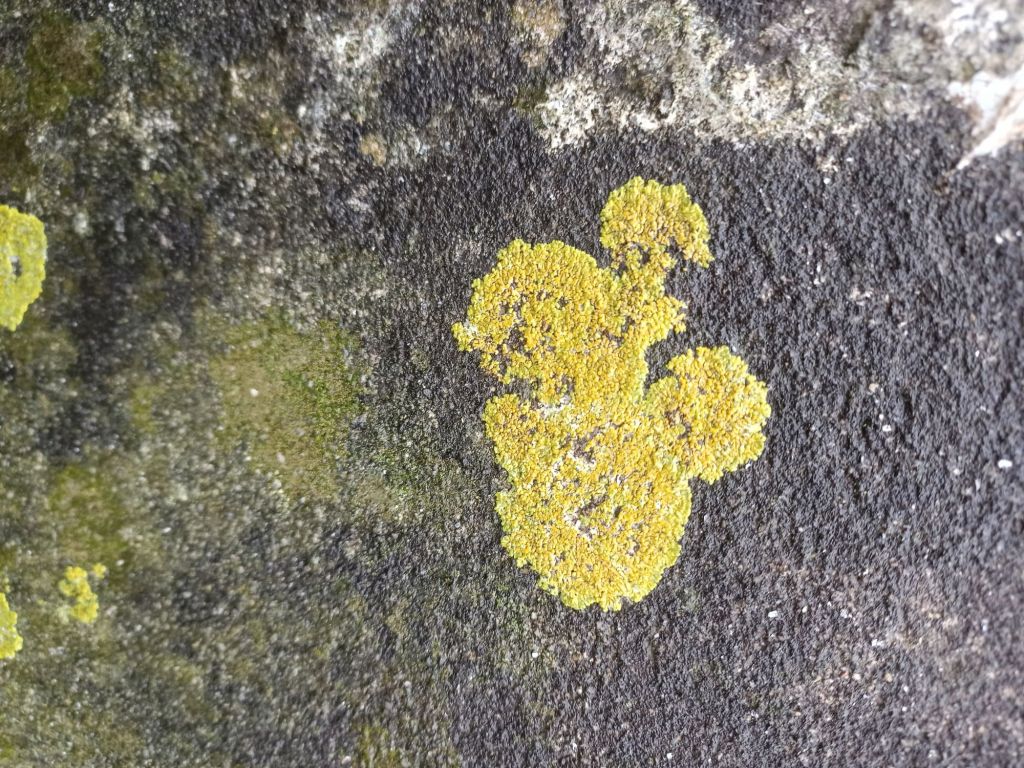
Thoreau stated in his journal of 1851: “It is a good day to study lichens”, but perhaps that could refer to any day because lichens are fascinating. “They provide food, shelter and nesting material for birds, mammals and insects…moths on the run from a predator will mimic bark lichens. Many foods, perfumes, dyes, medicines (antibacterial and antiviral properties) and foods are directly derived from lichens…many species are very sensitive to pollutants such as sulphur dioxide and nitrogen.” (www.bbc.co.uk)

As well as those fabulous Vitamin K-packed, dandy Dandelions (Taraxacum officinale) we found Sunken Disc Lichen (Aspicilia calcarea) which belongs to the Aspiciliaceae family.
“Through its ability to break down minerals and organic matter, the lichen gradually forms a thin layer of soil, creating microhabitats that support the establishment of other plant species…By binding soil particles together and reducing surface runoff, the lichen contributes to the maintenance of soil structure and fertility. (https://www.sidmouth-nature.uk/hub-detail/Sunken%20Disc%20Lichen)
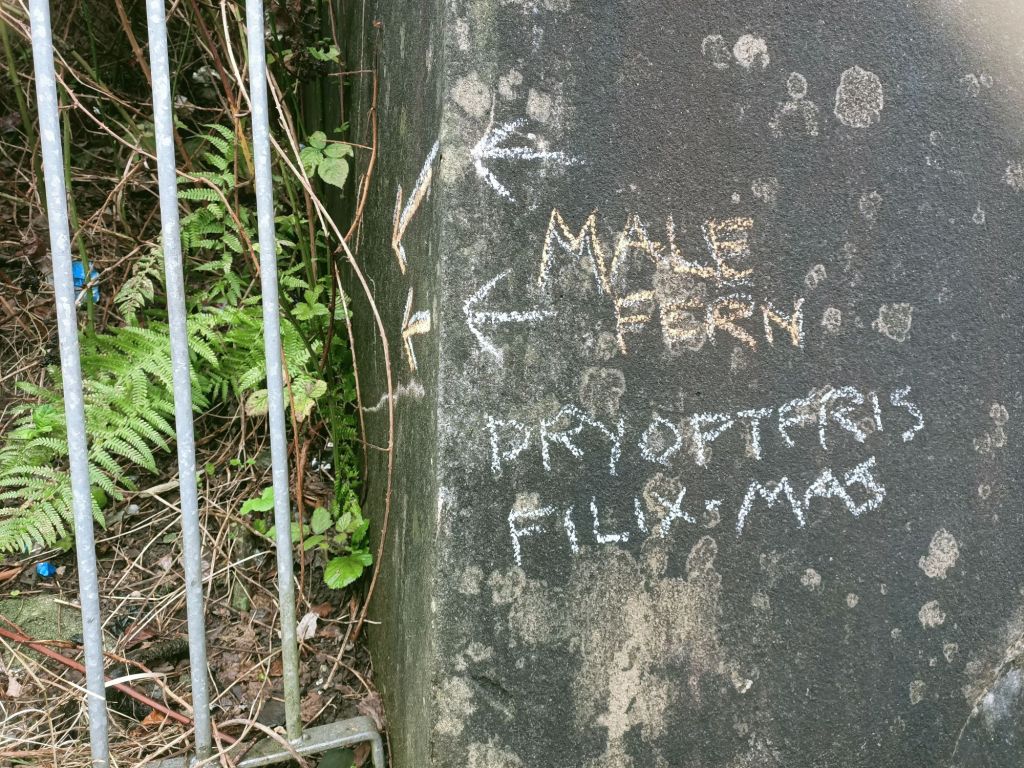
Another ancient life form on this planet is the fern. Did you know there are more than 10,500 species of fern? 🤔 Wow! 😲
It’s a vascular plant that has neither seed or flower, and this Male Fern likes damp shady places.
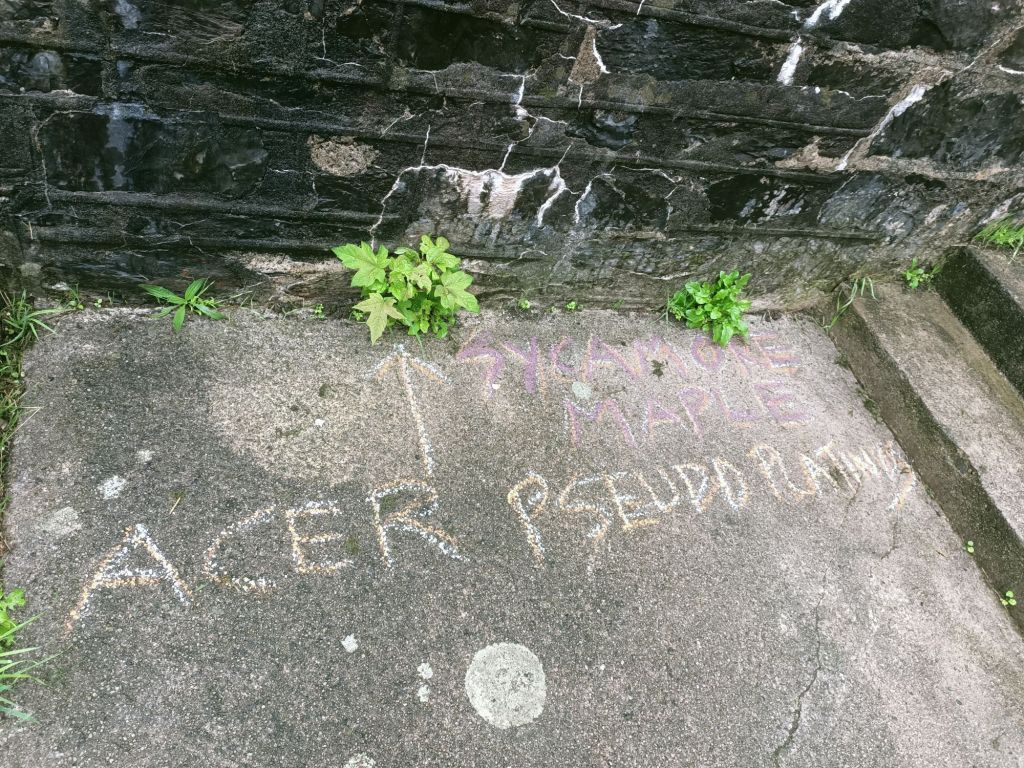
Don’t you just love it when a plant or tree finds the tiniest crack to find a home? 🙂Just like people, our sometimes hostile concrete streets are difficult places to find shelter, so plants have to be resilient and resourceful. The Sycamore provides nectar and pollen for bees and other pollinators 🐝🐝🐝🐝🐝🐝🐝🐝🐝🐝🐝🐝🌳🌳🌳🌳
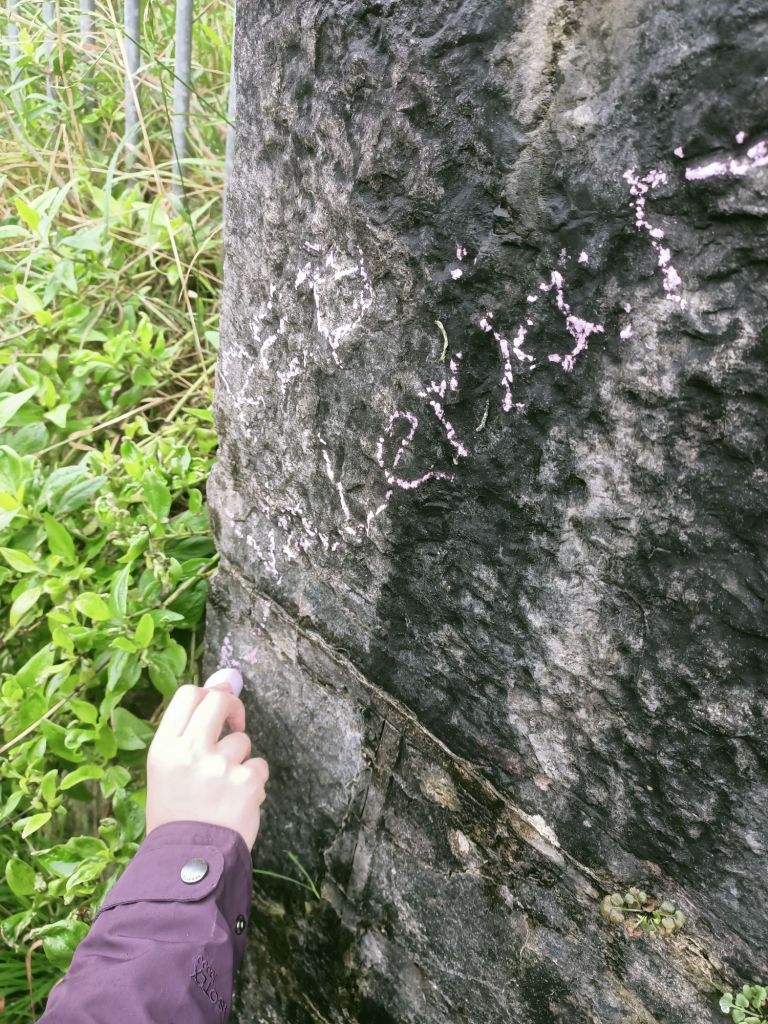
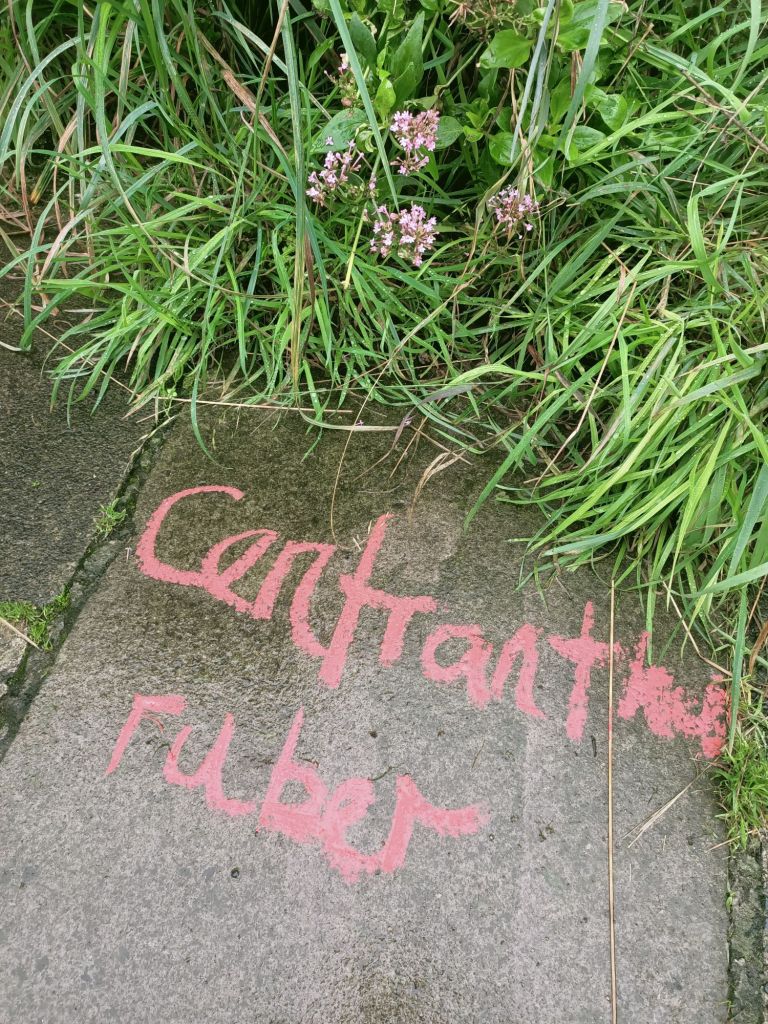
Did you know that Red Valerian is also known as: Kiss-me-Quick, Fox’s Brush, Devil’s Beard and Jupiter’s Beard. Which name do you know it as?
To avoid confusion this is why we use the Latin language to name plants, as this is globally recognised. “Since the first printing of Carl Linnaeus’s Species Plantarum in 1753, plants have been assigned one epithet or name for their species and one name for their genus”. (Wikipedia) This is why Latin plant names are binomial.

“The troubling extent of insect declines across the UK has been highlighted… by the results of the 2024 Bugs Matter citizen science survey. The latest data shows that the number of flying insects sampled on vehicle number plates, across the UK, has fallen by a staggering 63% since 2021. (https://www.buglife.org.uk)
We can all do more to help insects and increase these numbers – NOT using pesticides is a good start. These are toxins which kill insects and contaminate our socks, watercourses, and poison other life in our gardens, including birds and our own pets. Check out http://www.pan-uk.org for further information.
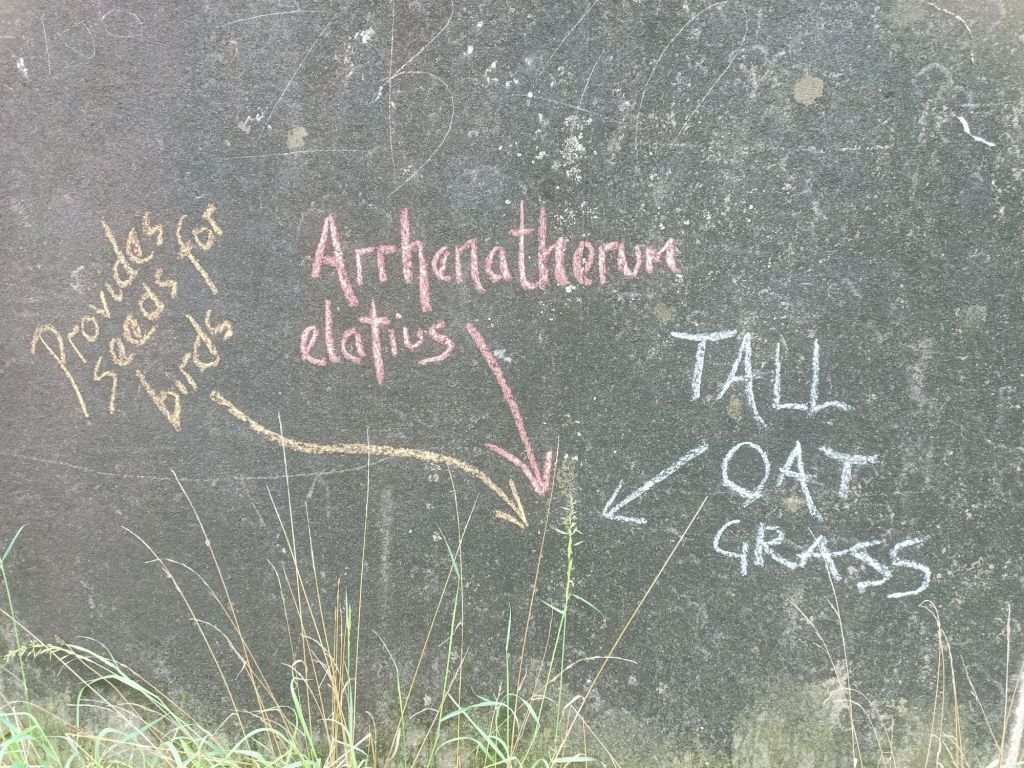
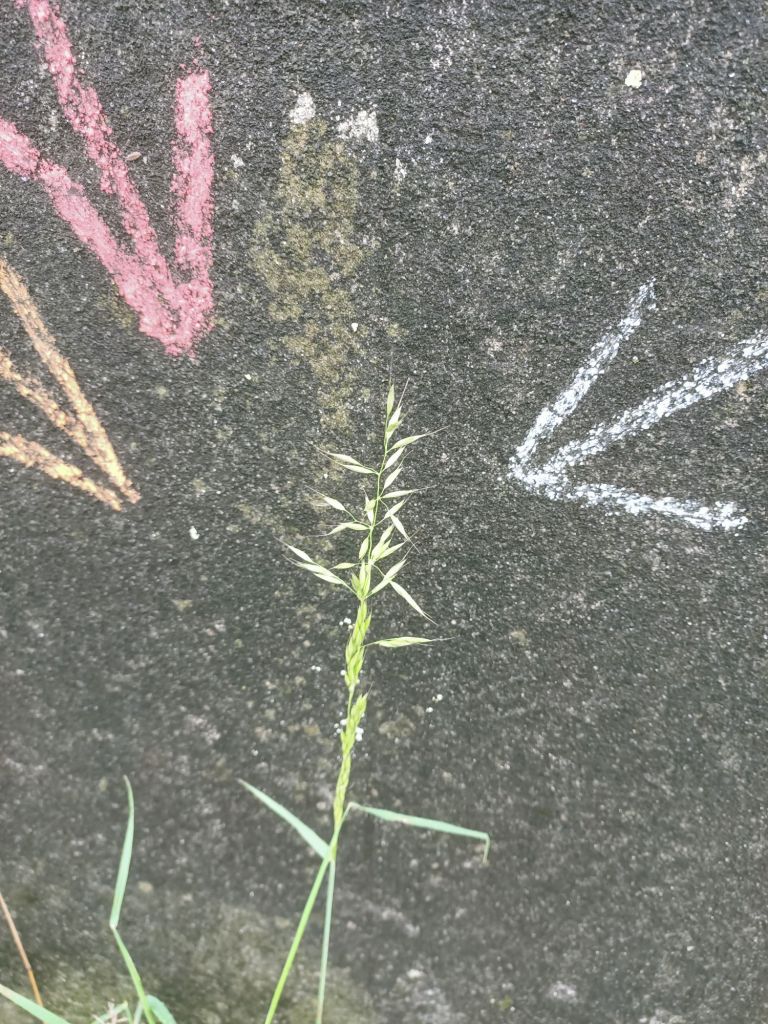
Also known as False Oat-Grass, it provides shelter and nesting material for Field Voles.
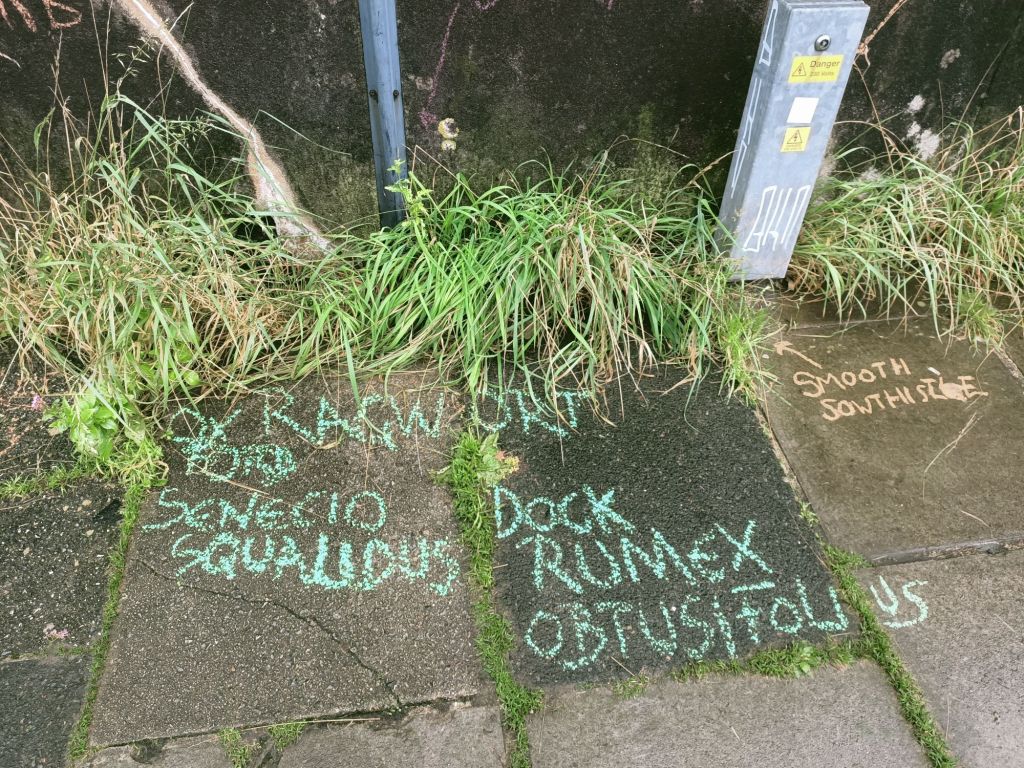

Have you got up close and smelt the wonderful aroma of the Buddleja davidii? 🤔
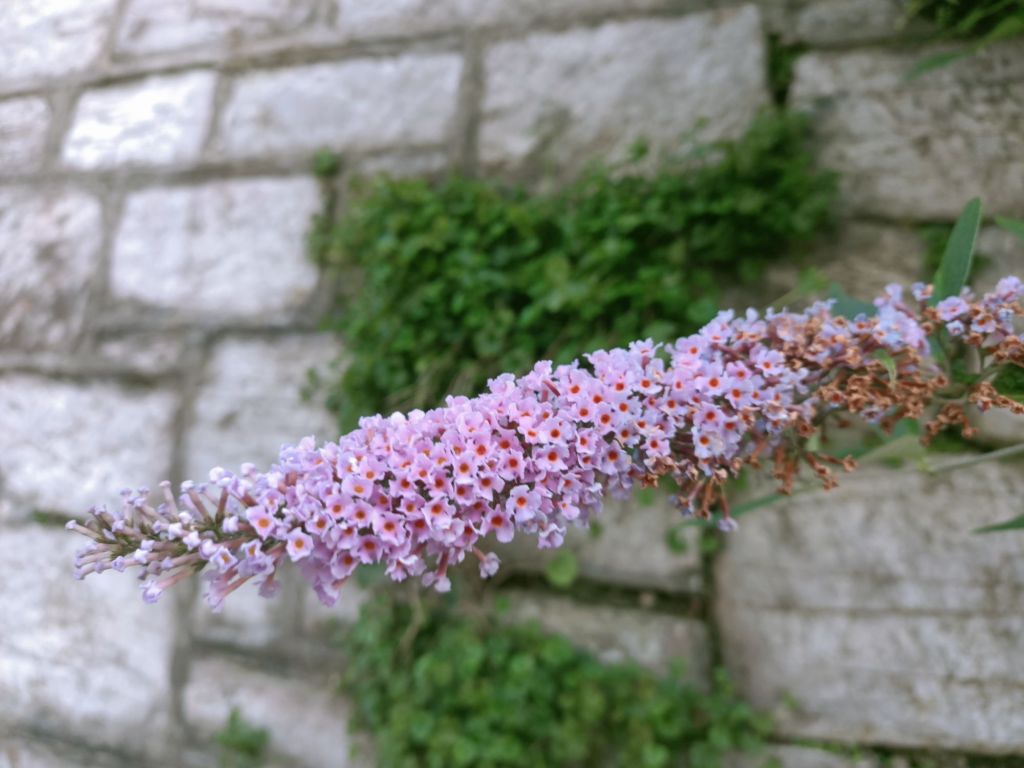
The little pink-purple flowers are so pretty, and the scent is wonderful of this wild plant. When you smell it, you’ll soon realise why it is so attractive to bees and butterflies – it’s a fabulous lifesaver to pollinators, so encourage it’s growth 😉👍

It cannot be overstated enough how important autumn flowering plants are to pollinators (insects, birds, mammals). 🐝 These Michaelmas daisies also provide colour to your garden. Remember though, as with all flowers, try to avoid the hybridised (crossed/cultivars) because the more petal layers they have, the LESS pollen they have for 🐝🐝🦋🦋🐦🐦👍

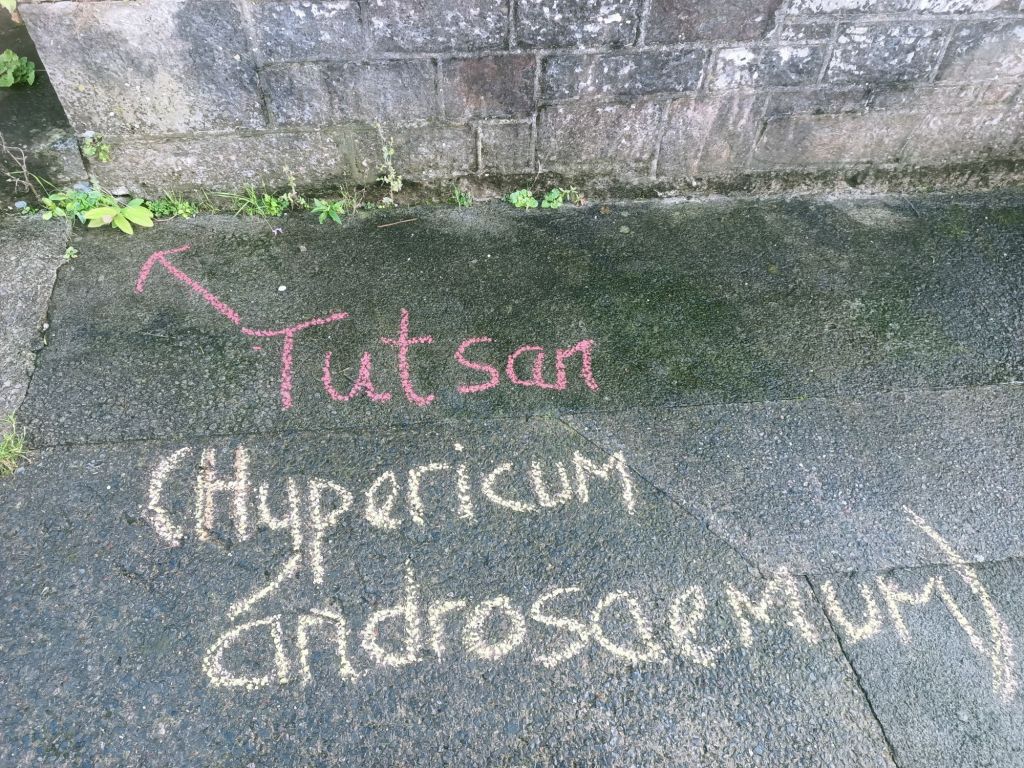
What’s Tutsan I hear some of you say? 🤔 Well it’s a shrubby St. John’s Wort, and it is also known as Sweet-amber. Want to see it close-up? It’s got rather lovely leaves…
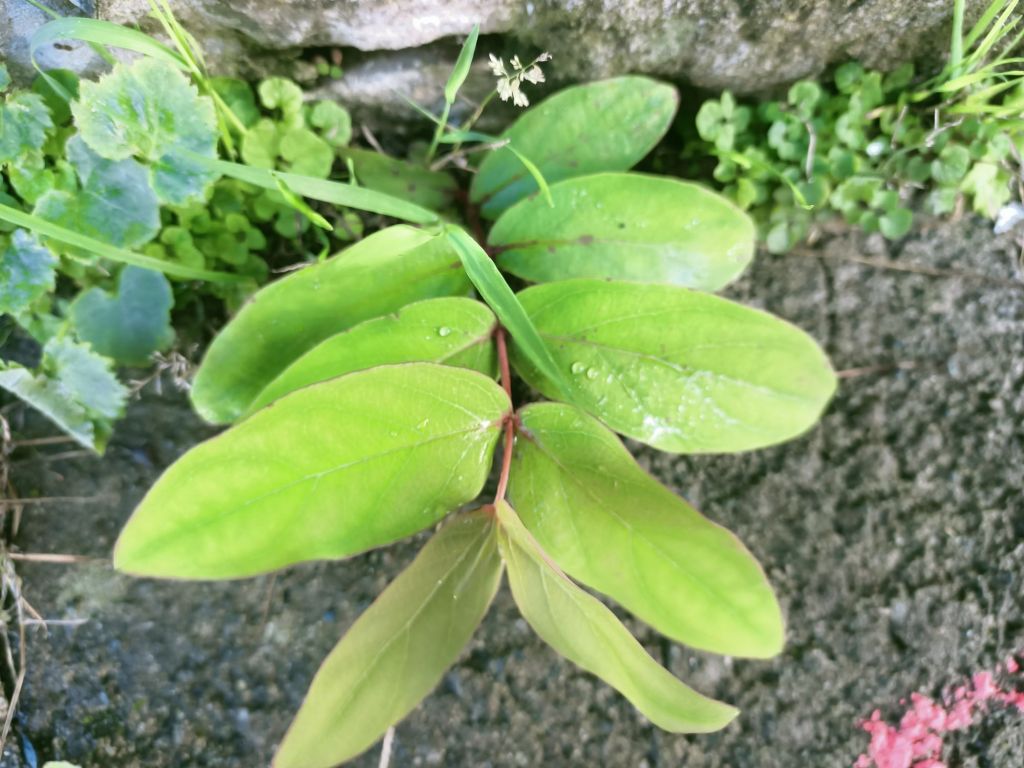
A medical plant used as a diuretic and to progress the healing of burns and minor skin wounds. It has also been used to treat sciatica and gout, as well as being used in the skincare industry. In Portugal, the leaves are used in the treatment of liver, kidney and bladder problems: quite an elixir! 👍

As the name suggests, this plant originated from North and Central America. Its common names include: Canadian Fleabane, Marestail, Coltstail (there’s a horse theme here 🙂🐎) and Butter weed.

Distinctive due to its club-shaped leaflets that appear in groups of three on the frond. It often appears with other ferns like the Maidenhair Spleenwort.
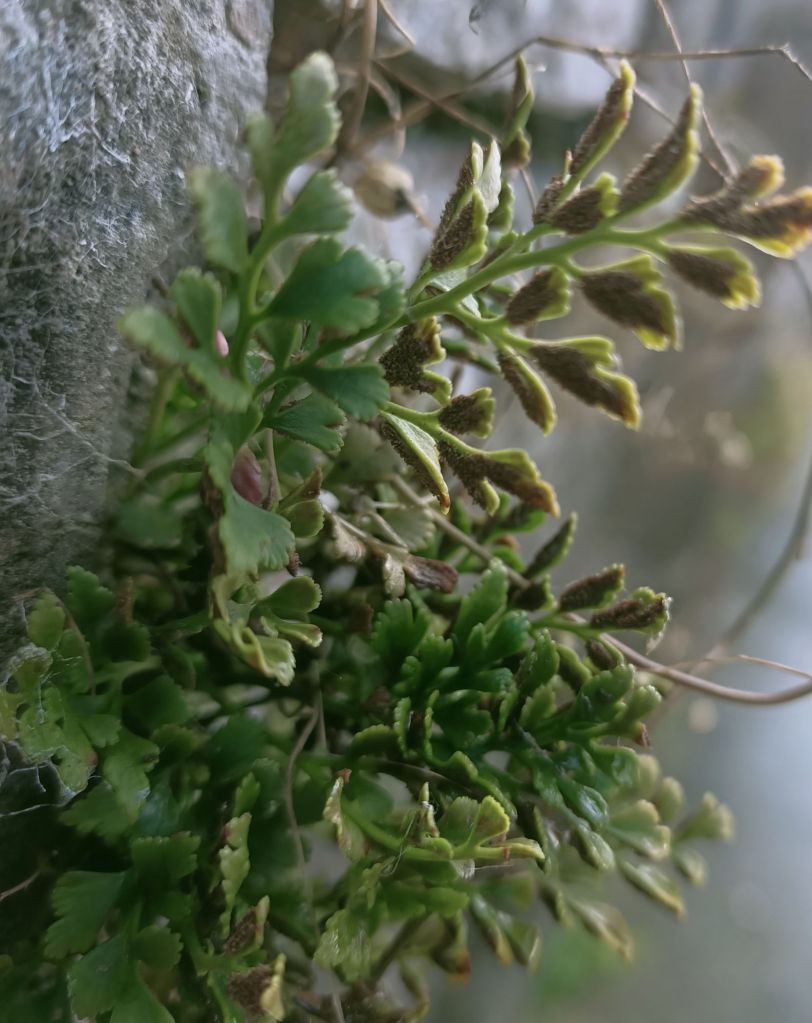

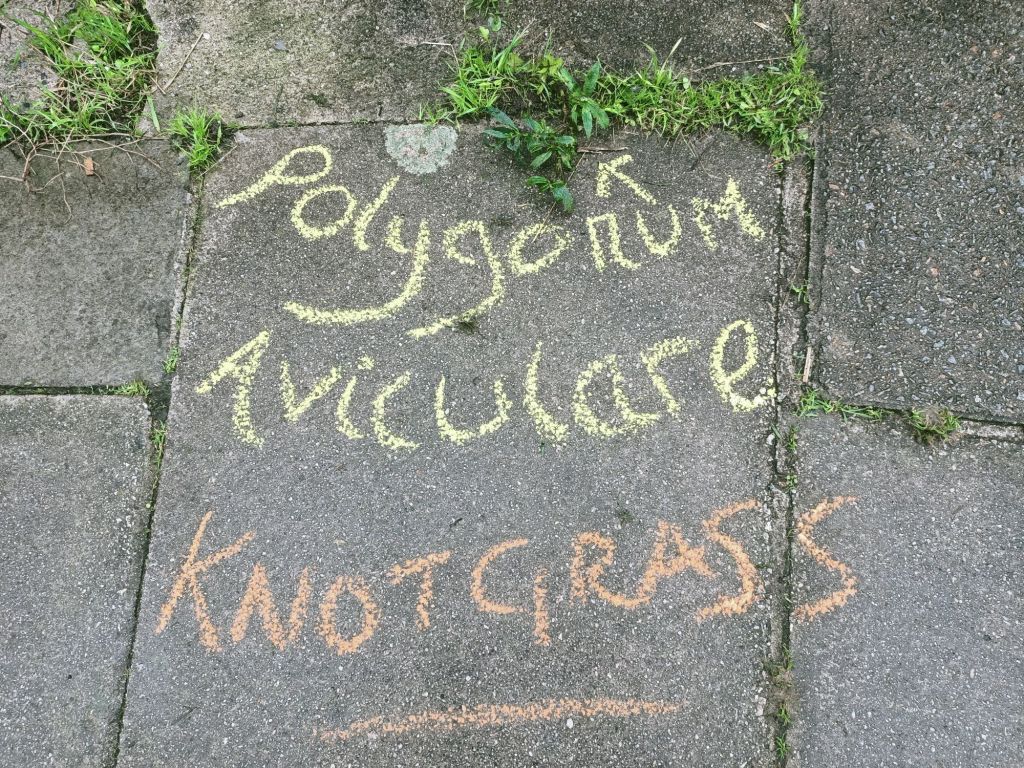
Did you know, Polygonum means ‘many knees’ in Greek, referring to the prominent joints along the stem. Many species of insects feed on Knotgrass, including the eponymous Knot Grass moth, Acronicta rumicis. 🙂👍
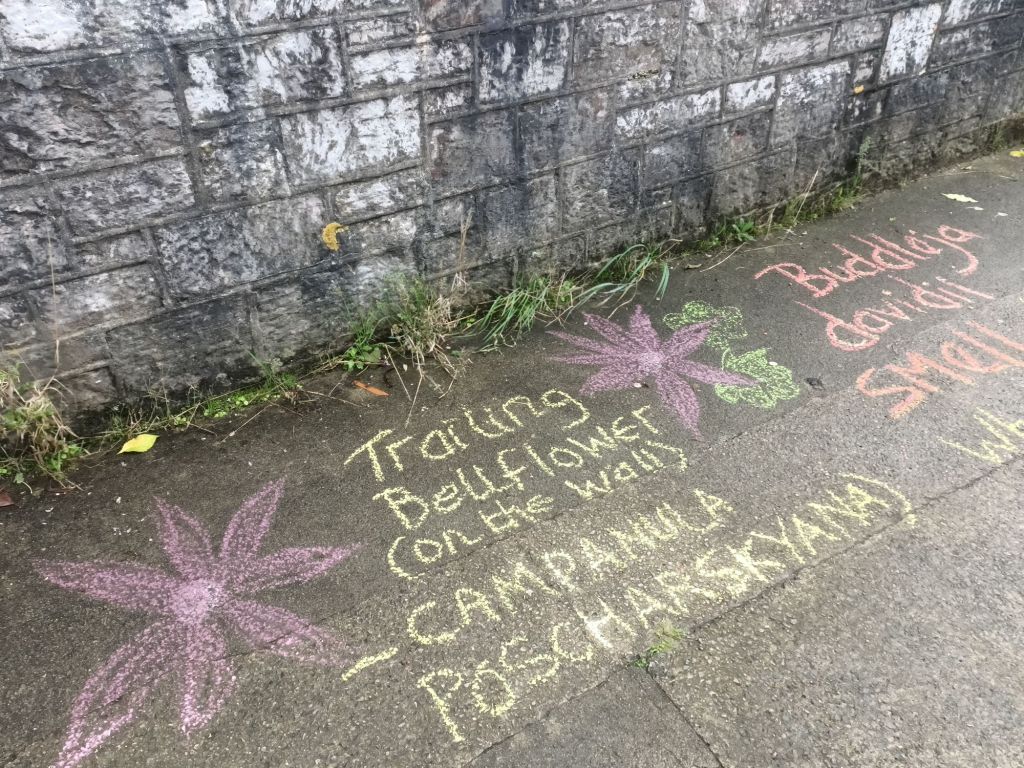
The species is hermaphrodite, which means it has both male and female organs, and is pollinated by bees, flies, beetles, lepidoptera (moths and butterflies). It is also known as the Serbian Bellflower – it originated from the Dinaric Alps, in the former Yugoslavia. Despite it being a non- native, it is extremely attractive to bees and other pollinators 🐝 🦋 🦋 🐝 Its bell shaped blue flowers, also make it attractive to humans 😉.
Thanks for reading everyone 🙂 👍🌼🌼
 #RebelBotanists
Hello , I was in contact a few weeks back regarding organising a walk for improving lives Plymouth. We run regular wellbeing walks around Plymouth .many of my participants struggle with their mental health . It would be great to find a date that suits ,maybe a Thursday,Saturday..or a Friday afternoon.It tends to work best for us to have a few weeks notice so that we can advertise and give people a chance to plan to come . Looking forward to hearing back from you . Warm wishes , Saffron
LikeLike
Dear Saffron,
Do you still want to do this walk? I did respond to sometime ago but not heard back from you. Please email me at rebelbotanists@gmail.com to organise an event.
Liz Rebel Botanists
LikeLike