“The State of Nature Report is an assessment of how nature is doing across the UK…The report pools data and expertise from more than 60 nature conservation and research organisations, a partnership unparalleled in UK conservation.” https://www.bto.org/our-work/science/publications/reports/state-of-nature
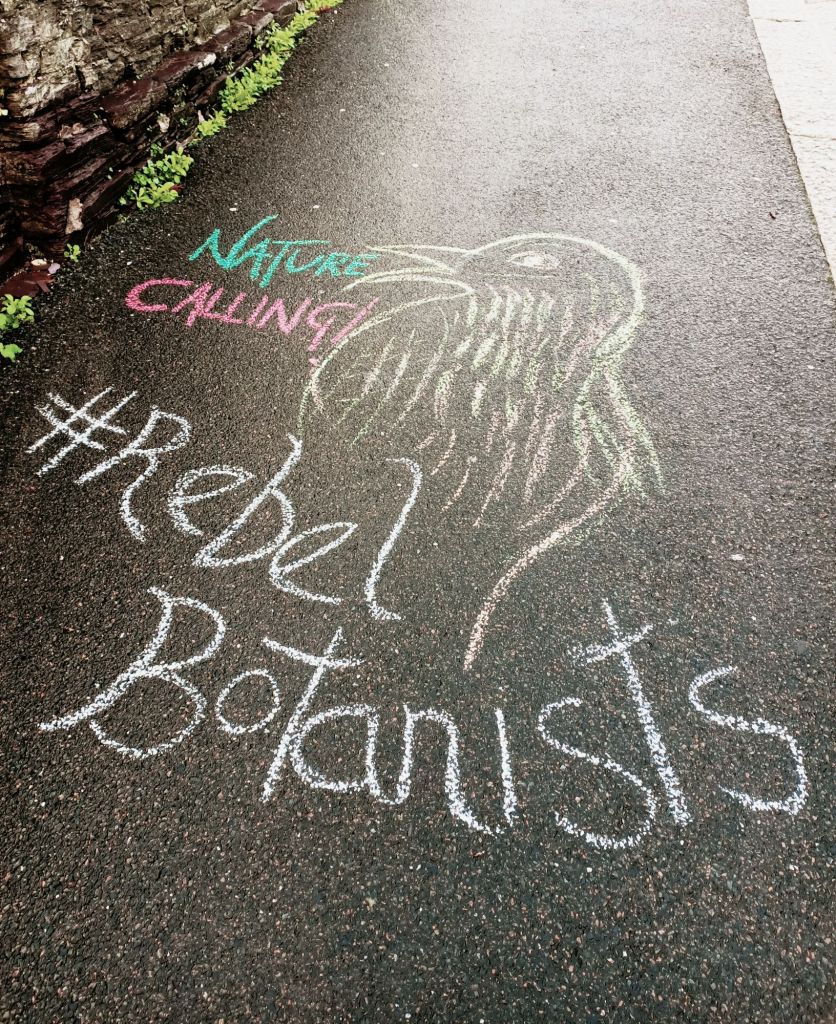
Our latest project, ‘Nature Calling!’ has been kindly funded by Charlotte Holloway, the local councillor of Drake Ward in Plymouth. Its key aims are to address and raise awareness of pests and pesticide pollution: both are major threats to flora and fauna.

When we talk of pests, we are not talking about insects, because with thoughtful gardening practices they are not pests, but pollinators and food for other insects, birds and mammals – a natural biodiversity cycle. No, the pests we are focussing on are in fact our cute and adorable moggies. Yes, cats!
Apparently, over 25% of households have a cat. The problem is that when left to roam, as many do, they kill “over 100 million wild animals in the UK every year, and of these 27 million are songbirds”.
https://www.songbird-survival.org.uk/help-birds/help-birds-at-home/protecting-songbirds/pet-disturbance
It’s a cat’s instinct to hunt, so telling it off won’t work, but we can reduce this hunting behaviour. Given how seriously threatened birds and small mammals are, it’s an essential cat owner’s ethical responsibility to protect them, so here’s what you can do:
1. Keep your cat indoors between dusk (sunset) and dawn (sunrise) when birds are singing and feeding.
“Not only will doing this protect wildlife, but it may also protect your cat by reducing fighting and road accidents (Cecchetti, Crowley, & McDonald, 2021; Crowley et al., 2019).”
2. Play with your cat.
Providing physical and mental stimulation through play and puzzle feeders, even for just “10 minutes of daily play can reduce hunting by up to 25% (Cecchetti, Crowley, Goodwin, et al., 2021).”
3. Consider your cat’s diet.
Store-bought cat food is low in meat proteins, instead they are packed out with grain and cheap proteins. “Changing your cat’s diet to include more proteins that come from meat has been shown to reduce hunting by 36% (Cecchetti, Crowley, Goodwin, et al., 2021).”
4. Place your bird feeders up high. Even though you may not have cats yourself, neighbours cats will undoubtedly wander in your garden. Place them really high, out of reach of the most energetic cat.
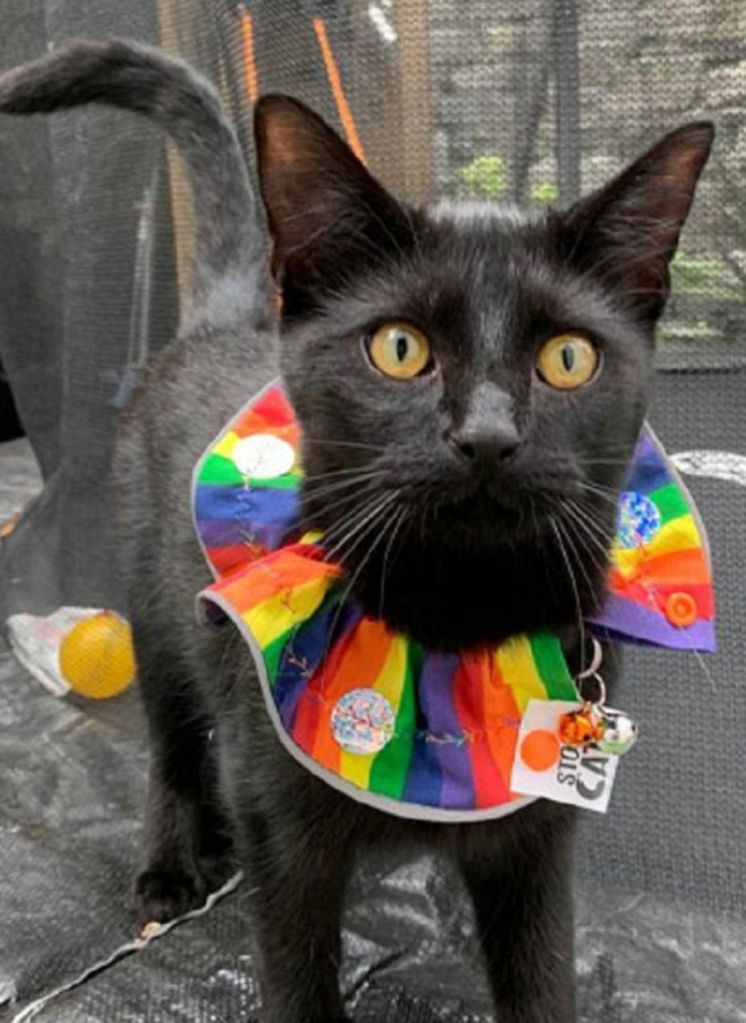
5. Get a multi-coloured cat collar with bells. They can reduce the number of prey caught “by over 50%, making it one of the most effective options for reducing the number of birds your cat kills.” (birdsbesafe.com).
So, at Houndiscombe Park, in Plymouth, funding has secured:
– the replacement of high rise bird feeders and seed for our feathered friends 🐦🐦🐦🐦🐦
– 10 free multi-coloured cat collars (with bells and safe release clips). If you live in the Drake Ward – these are available to the first 10 lucky cat owners to try. Just give us email feedback (twice over 6 months) to let us know how effective they are. Just PM us on our Facebook page.
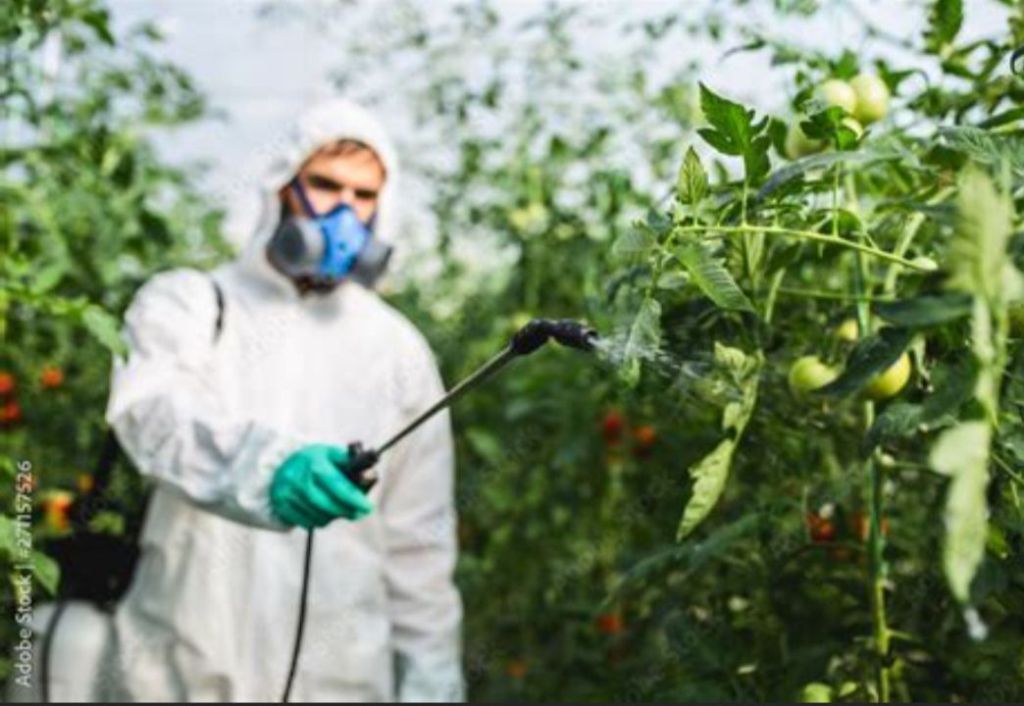
The second focus of our project is pesticides. Despite being readily available to buy on garden centre shelves, they are destructive toxins, killing life in our gardens and further afield. These chemicals are also contained in flea sprays used on pets.
A recent study has revealed further worrying evidence that every bird’s nest tested was lined with pesticides in the nesting material. https://www.channel4.com/news/scientists-warn-chemicals-in-pet-flea-treatments-are-killing-wildlife
“PAN Europe recently revealed that PFAS pesticide residues are found in many fruits and vegetables… These forever chemicals are deliberately sprayed on food and fields and their use is increasing. Not only are they persistent but they also have toxic properties.” https://www.pan-europe.info/blog/pfas-pesticides-cause-havoc-uk

“PAN UK analysed the latest results from the UK government’s residue testing programme, finding that ten different PFAS pesticides were present in spices and a range of fruit and vegetables including grapes, cherries, spinach and tomatoes. Strawberries were found to be the worst offenders, with 95% of the 120 samples tested by the government in 2022 containing PFAS pesticides.”
“Pesticide elements have now perpetually entered our atmosphere and subsequently contaminated water, food, and soil, leading to health threats ranging from acute to chronic toxicities…Pesticides produce different types of toxicity, for instance, neurotoxicity, mutagenicity, carcinogenicity, teratogenicity, and endocrine disruption.” https://www.sciencedirect.com/science/article/pii/S2405844024051594
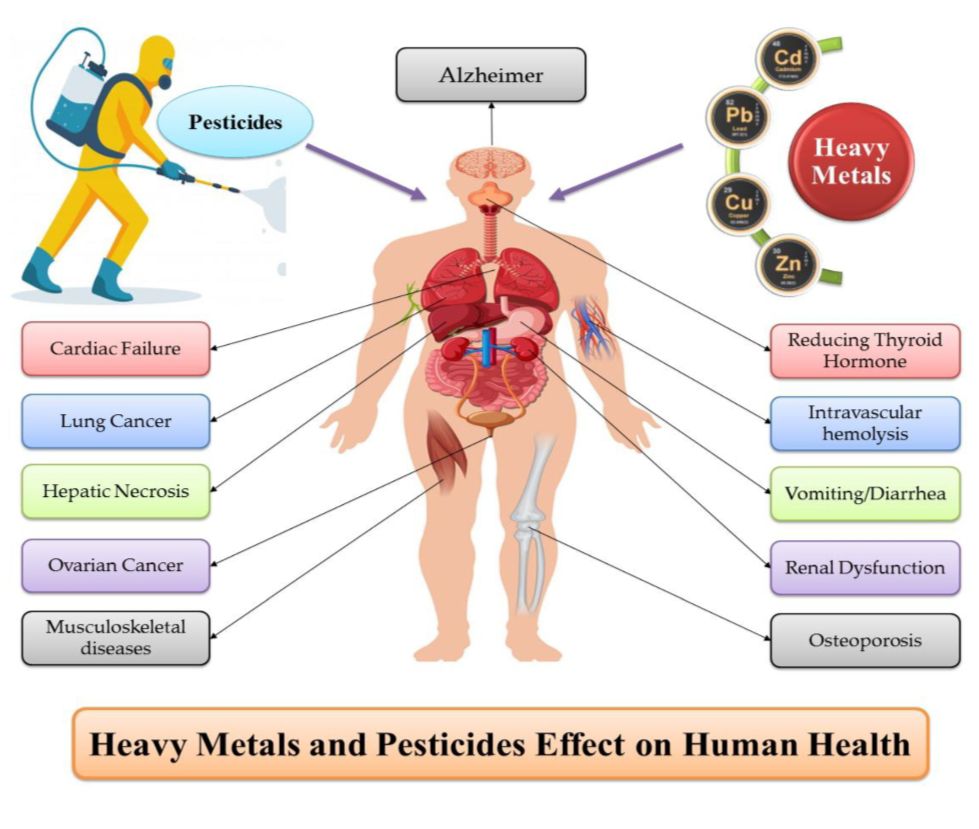
Depressing reading isn’t it, but:
here’s what you can do:
– stop using pesticides in your garden
– email your council to stop using chemicals on streets and public spaces
– buy organic and significantly reduce your exposure to these chemicals
– use natural, toxic free, flea sprays for your pet.

A natural toxic-free alternative is
Apple Cider Vinegar (ACV) spray. It is effective because:
– “pH balance: ACV slightly acidifies the skin’s surface, creating an environment fleas dislike.
– Smell and taste deterrent: its sharp scent and flavor make animals less attractive to biting insects.
Anti-inflammatory effects: helps calm itching and redness from flea bites.
Mild antiseptic properties: cleanses minor irritations and prevents infection from scratching.
Use as a ratio of 1:2 (1 part ACV and 2 parts water) especially if your pets skin is sensitive.”
https://vetexplainspets.com/how-to-use-apple-cider-vinegar-for-fleas
Check out Alternatives to Herbicides on the PAN UK website:
https://www.pan-uk.org/alternatives-to-herbicides-a-new-guide/
Please click on our partner Facebook page: Pesticide-free-Plymouth to show your support of these initiatives. 🙂👍

https://www.facebook.com/share/1AFdns9P3h/
Thanks to our reference links for all the informative data and to Charlotte Holloway for the funding to promote Nature Calling!



Thank you for speaking on these very vital topics! Solidarity to you. 🙏
LikeLike