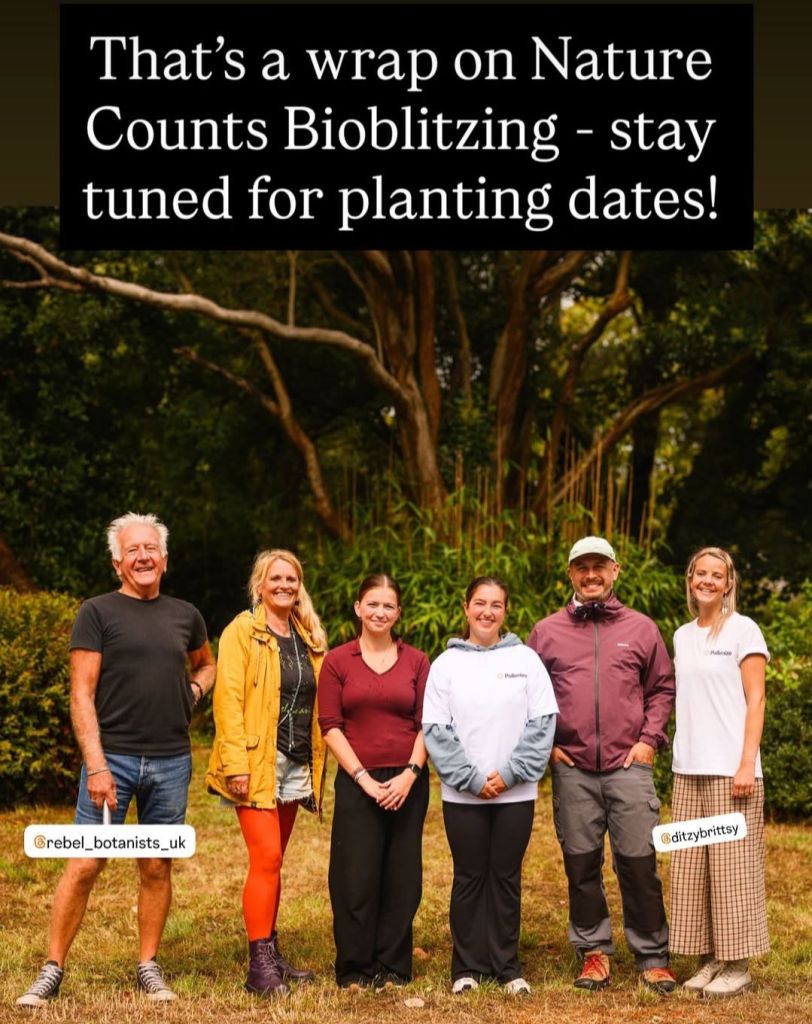
Come rain or shine, it’s been a pleasure to collaborate with Pollenize on their Nature Counts project.
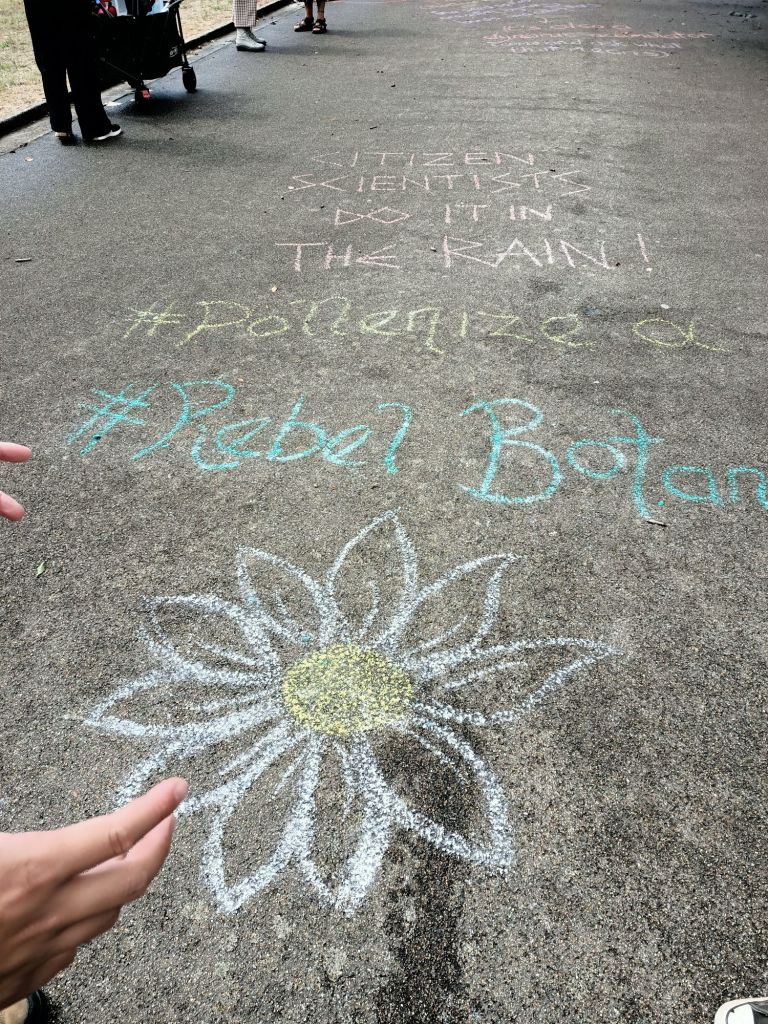
Responding to the ongoing decline of pollinators and other insects in urban green spaces, the citizen science, technology-based activities took place over 6 weekends in two Plymouth parks: Devonport and Mount Wise.
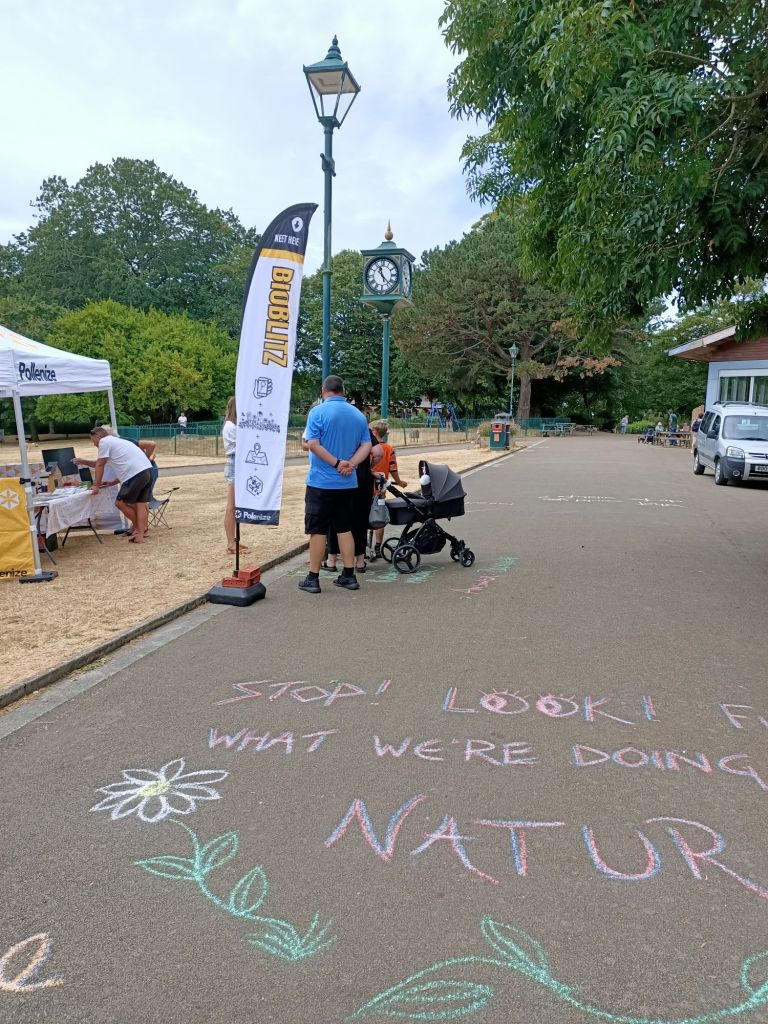
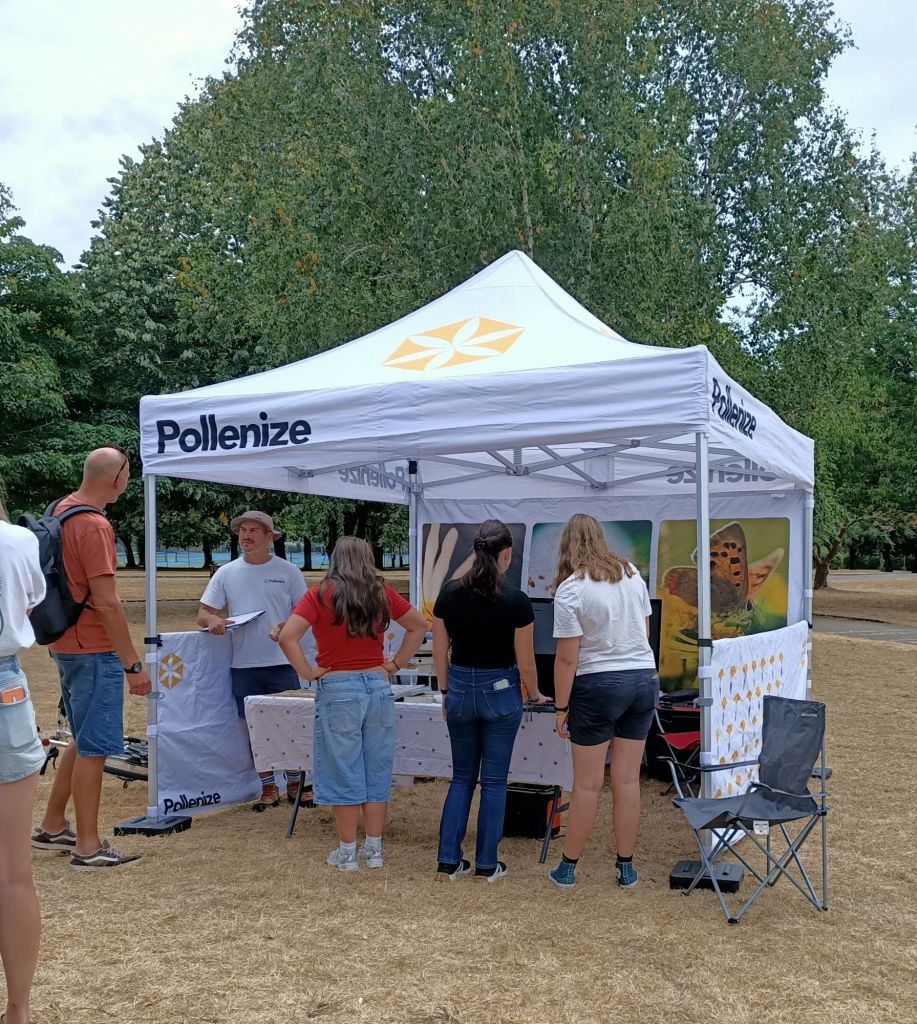
People came together to identify and record the wild life found in randomly placed quadrates (square frames), using the free iNaturalist Classic app.
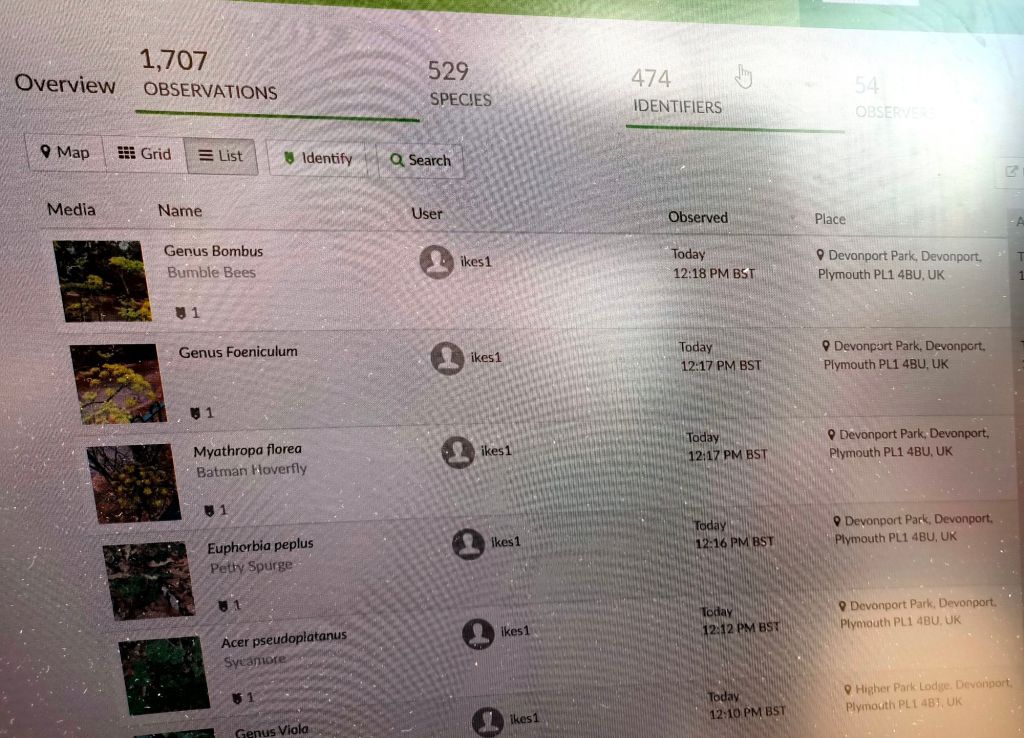
This data was then entered into Floradex – no, it’s not a margarine spread 🤣. It’s actually Pollenize’s new software, which takes the data and provides nature-based solutions to restore biodiversity – wow! 😀
It can tell you:
🌼 which plants are thriving,
🐝 the connections being made to pollinators,
🌱 future planting recommended to support biodiversity in that area,
⏳updates on your progress.
Why not check it out for yourself: https://www.pollenize.org.uk/floradex-biodiversity-software
Every tree, shrub, plant and flower provides life, food and shelter to sometimes hundreds, even thousands, of species – that’s biodiversity – life 🧬 is completely interconnected.
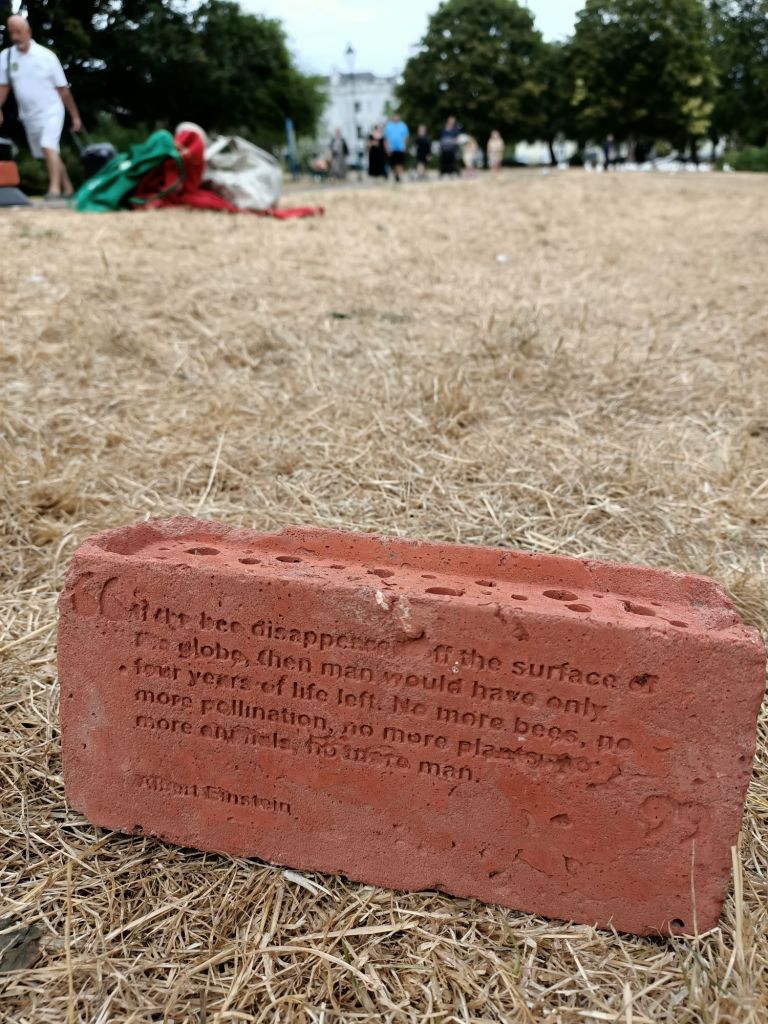
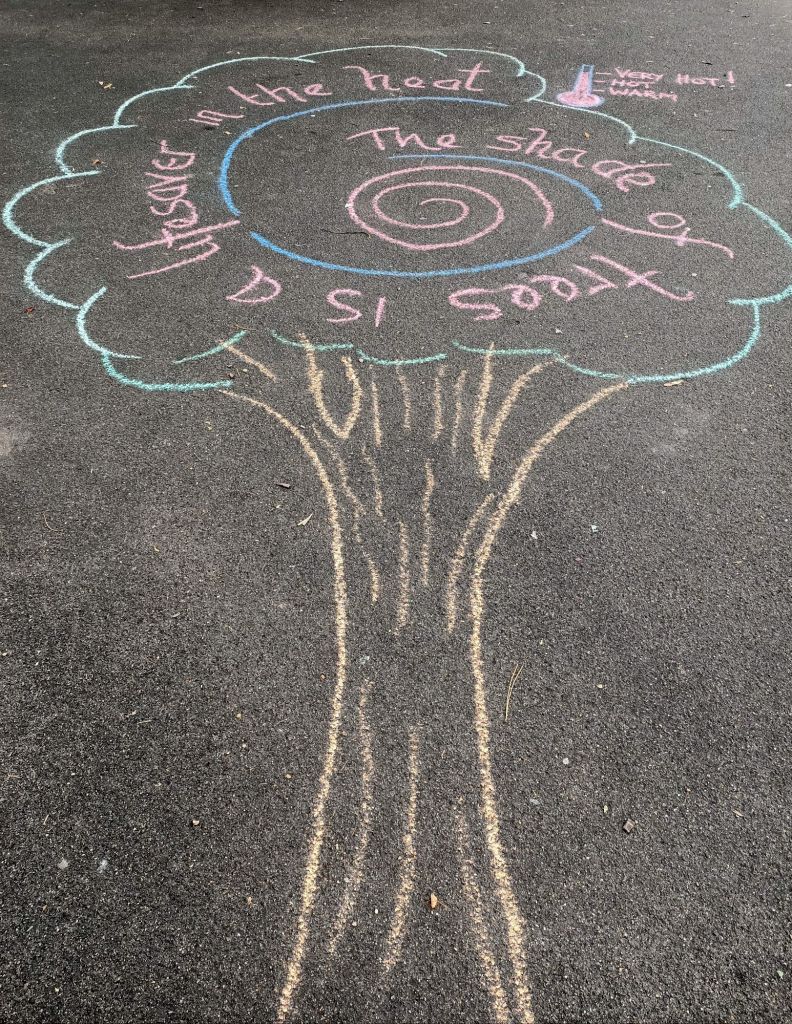
Trees are vital to life – for all wildlife, including our own.
“More trees are desperately needed in our towns and cities to help communities cope with the hotter summers that the climate crisis is bringing. But nearly half of neighborhoods in English towns and cities have less than 10% tree cover, while over a third lack adequate access to green space”. https://friendsoftheearth.uk/climate/cooling-effect-trees-and-green-spaces-cities
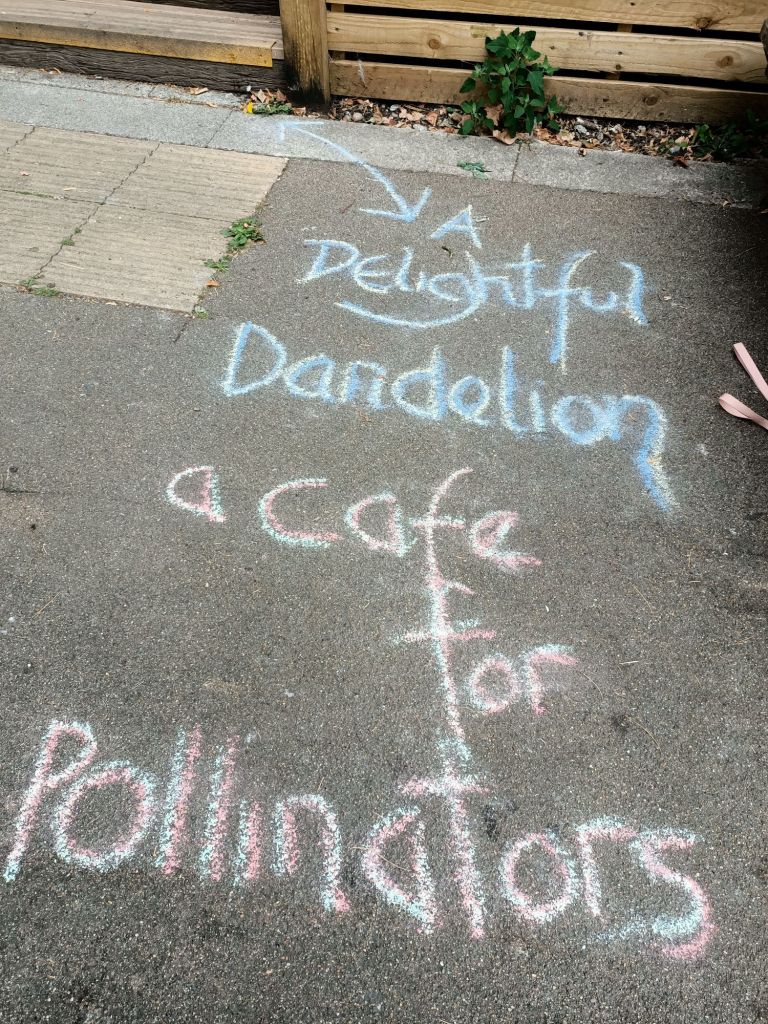
Outside the park cafe was another ‘cafe’ for wild life. Why would I call a Dandelion a cafe you may wonder 🤔. Well, did you know that Dandelions can support more than 177 different species? 🐝🦋🐛 And that’s just the ones we know about, we are still learning!
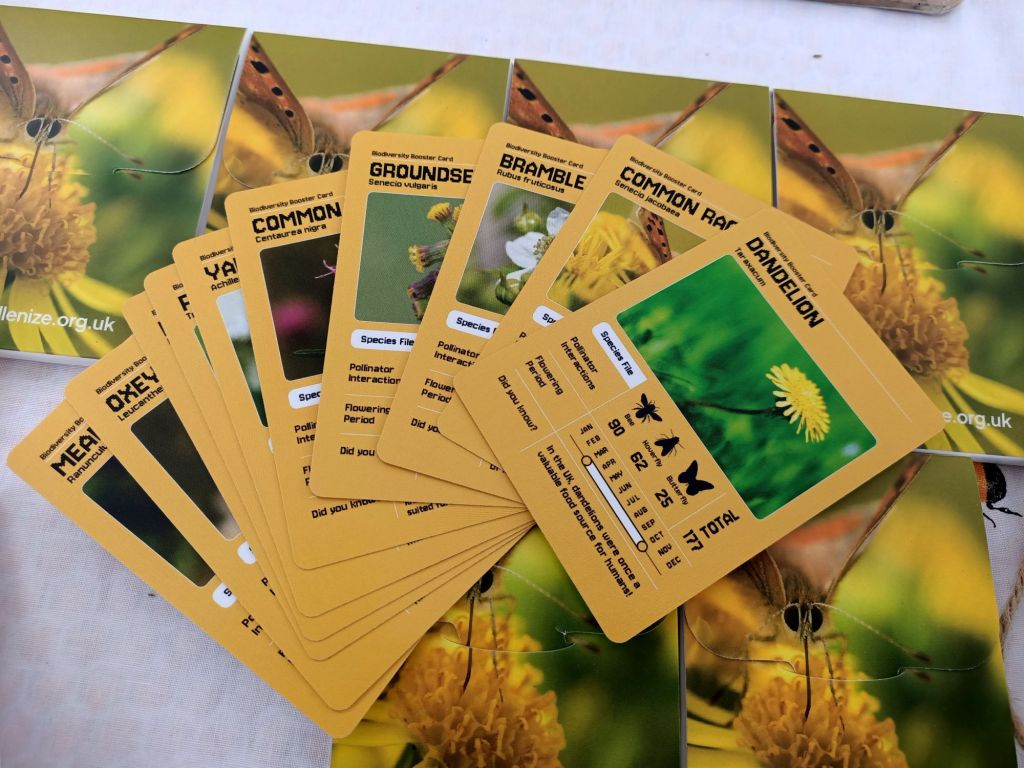
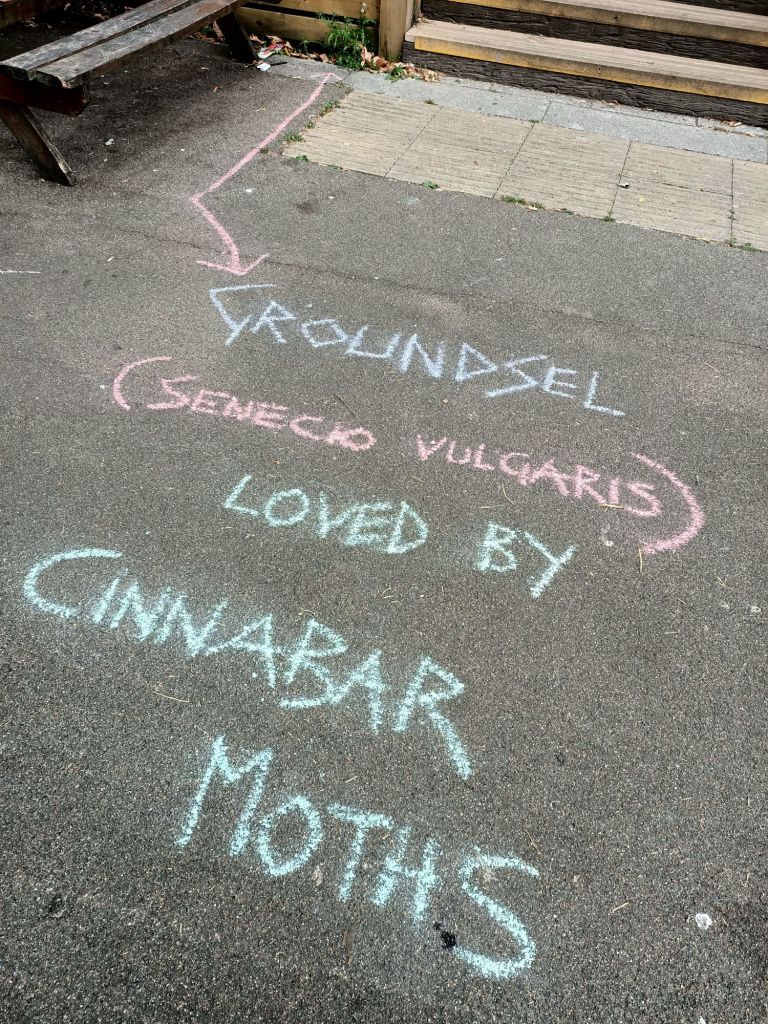
Grounsel is a food source for the Cinnabar moth. Of course, they prefer Common Ragwort, but both these plants are persecuted by humans and so the Cinnabar Moth is in decline. So please, grow more Ragwort and Grounsel!
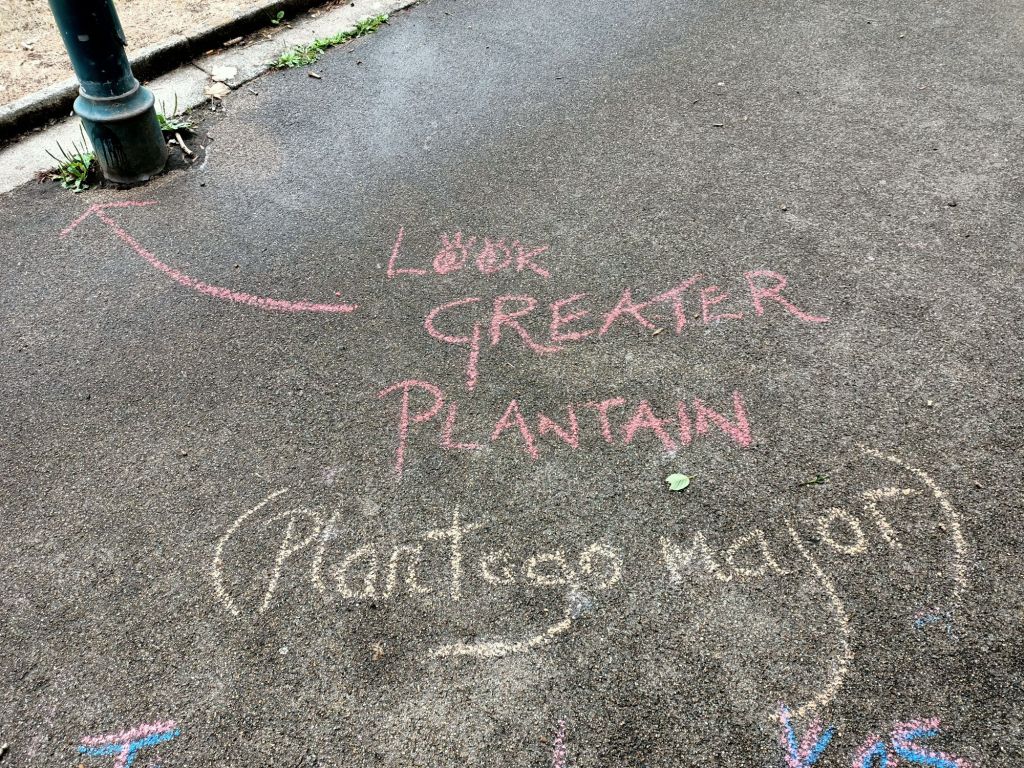
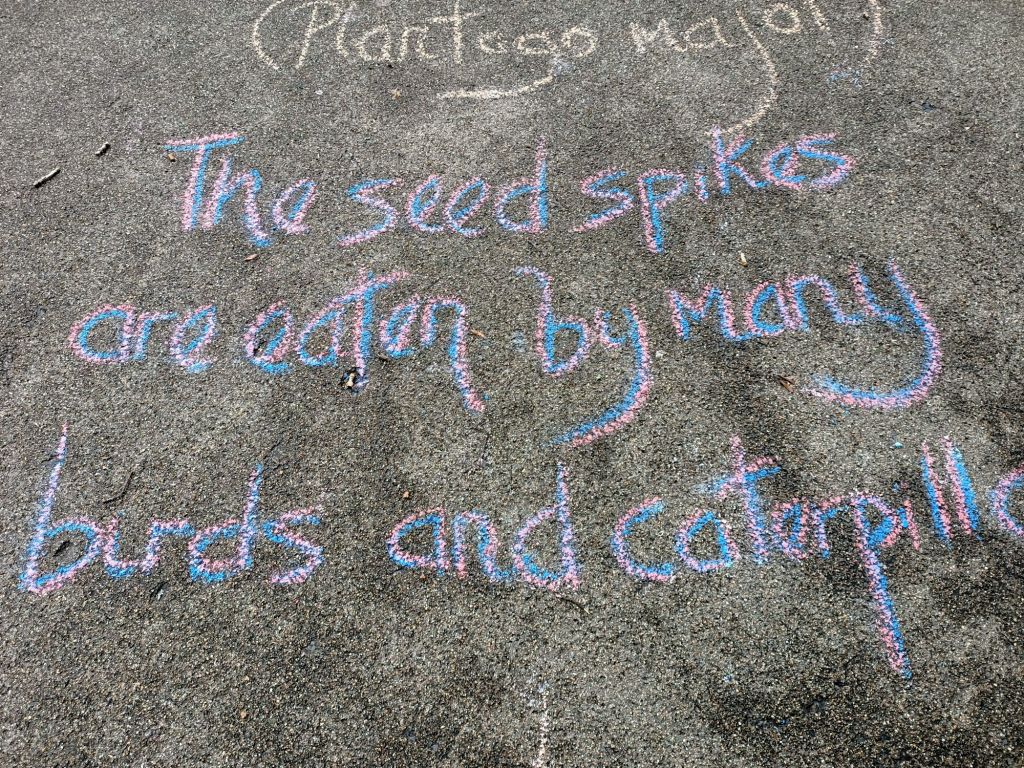
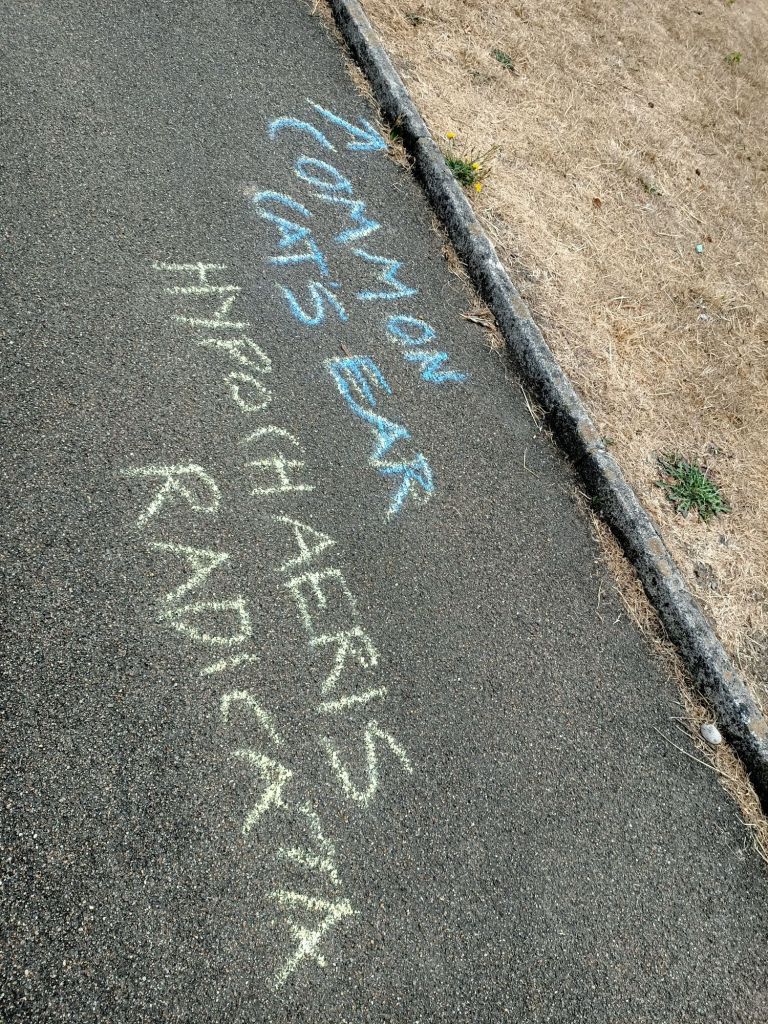
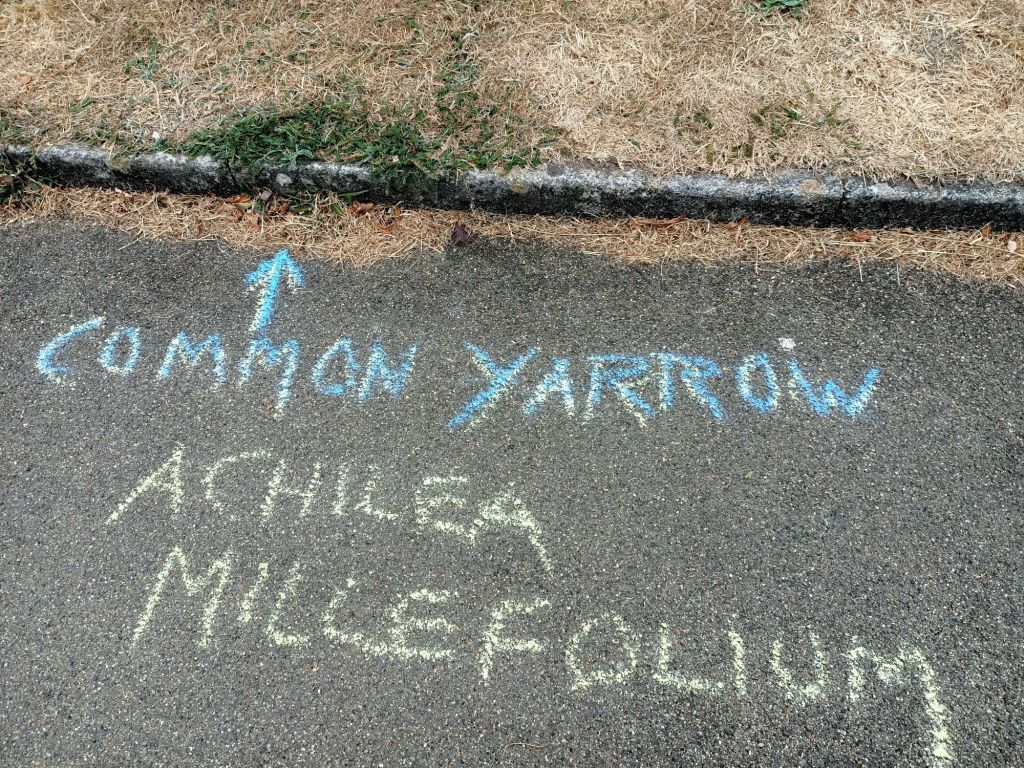
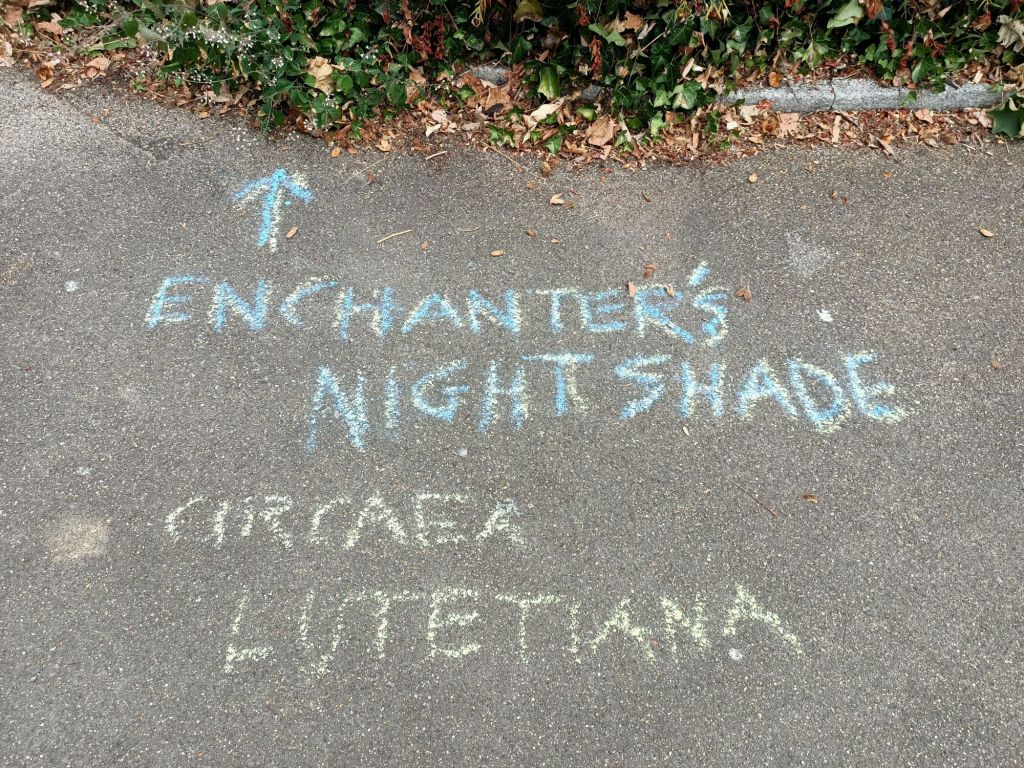
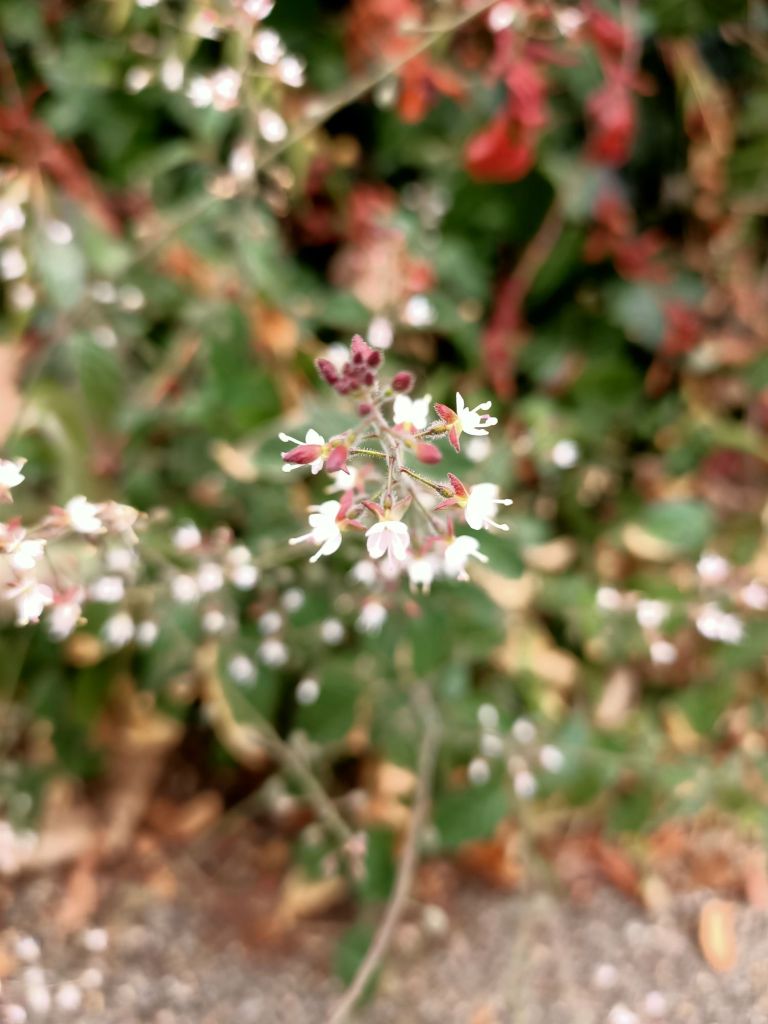
The genus name comes from the enchantress, Circe, in Greek mythology, who was known for her knowledge of herbs. The specific designation, lutetiana, is derived from Lutetia, the Latin name for Paris, before the 4th century 🤔.
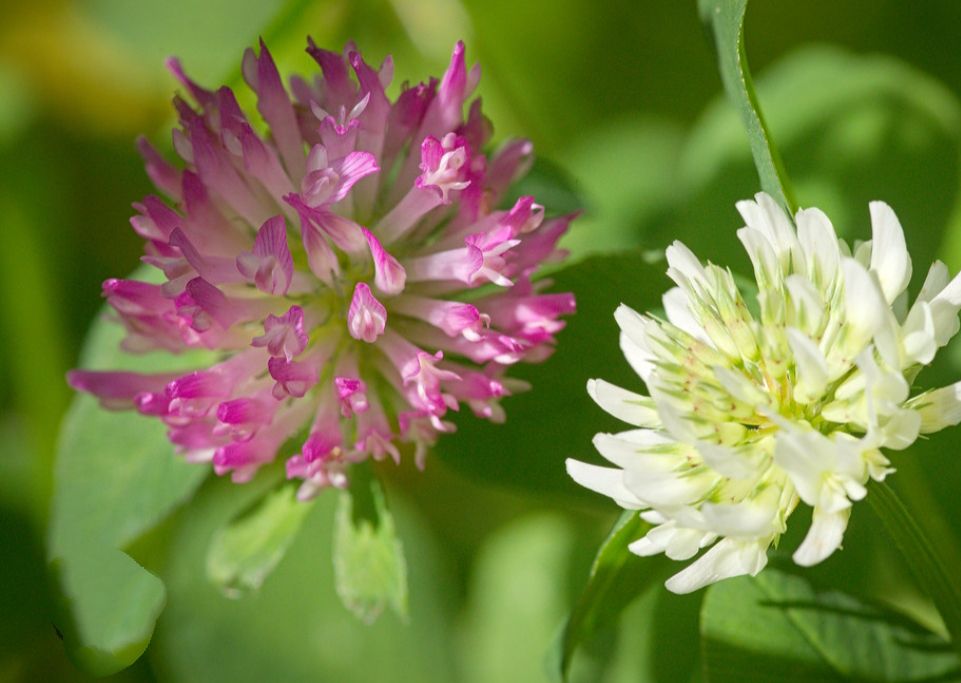
Lastly, introducing the Red and White Clovers 🍀🍀. One of the amazing university students, who joined us highlighted a clever fact.
Red Clover is larger because it puts its efforts into growth, whilst the White Clover is smaller putting its efforts into defense. So, although the Red Clover is bigger and more prolific, it’s more likely to get eaten by predators, therefore allowing White Clover to proliferate. If you take the predator out of that environment, the Red Clover would completely take over – this is a good example of how biodiversity works when humans do not interfere. When we introduce or take away something – this ultimately effects the complex cycle of life.
Isn’t Nature clever? 😀 Thanks to Ruby for that amazing Nature fact. And, thanks to all of you for reading and following.
 #RebelBotanists